Account Handling Routines: Their Influence on Fraud Resistance in Mobile Credit Networks
Sofia Schmitz · Aug 26, 2026
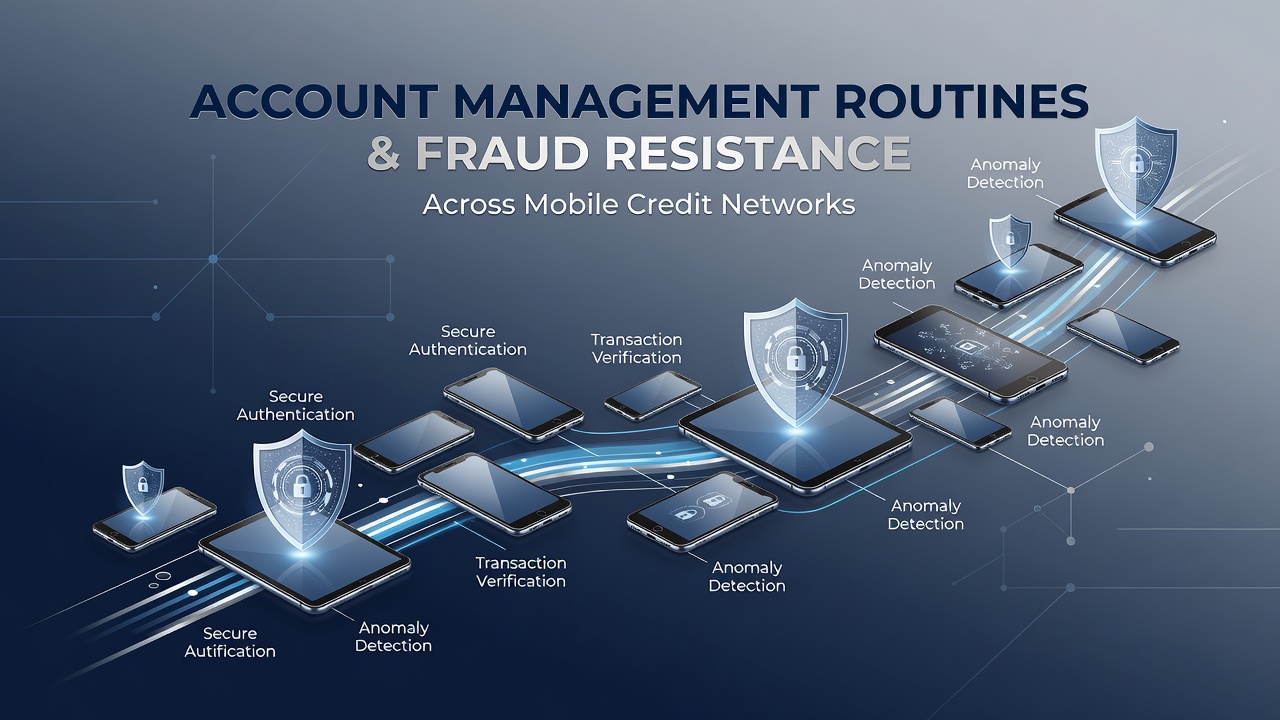
Account Handling Routines: Their Influence on Fraud Resistance in Mobile Credit Networks
Account management routines form the backbone of fraud resistance in mobile credit networks, where daily practices around verification, access controls, and transaction oversight directly determine how well systems withstand unauthorized attempts. Researchers have noted that consistent application of these routines across operator platforms leads to measurable drops in successful breach rates, particularly when operators enforce scheduled reviews of user credentials and linked devices. Data from industry reports indicate that networks adopting standardized update cycles experience fewer instances of account takeover compared to those relying on ad hoc measures.
Verification protocols sit at the core of these routines, and studies show that requiring multi-factor confirmation during login or high-value transfers cuts fraud incidents by significant margins. In August 2026, figures released by the European Central Bank highlighted how mobile credit providers implementing routine device fingerprinting alongside biometric checks saw a 27 percent reduction in disputed transactions over the prior year. Those who studied these implementations found that the timing of these checks matters as much as their presence, since staggered verification windows prevent patterns that fraud actors might exploit.
Monitoring Schedules and Alert Mechanisms
Regular monitoring schedules further reinforce resistance by catching anomalies before they escalate into losses. Operators who run automated scans at fixed intervals, such as every four hours during peak usage periods, enable quicker isolation of suspicious activity. According to research from the University of Toronto's cybersecurity lab, networks that combined daily log reviews with real-time threshold alerts reduced average fraud resolution times from days to under six hours. This approach works because it ties account-level data directly to network-wide patterns, allowing administrators to flag deviations without manual intervention in every case.
Device management routines add another layer, since mobile credit access often occurs across multiple handsets and operating systems. Experts have observed that requiring periodic re-registration of trusted devices limits the window for credential sharing or malware-based takeovers. When operators enforce these re-registrations quarterly, data shows corresponding declines in account-linked fraud, especially in regions where users frequently switch phones. The reality is that such routines close gaps that static access lists leave open.
Integration Across Network Layers
These account practices do not operate in isolation, and evidence suggests their effectiveness grows when coordinated with broader network controls. Transaction logging tied to account histories, for instance, lets systems cross-reference user behavior against credit limits and typical spending geographies. A report from the Australian Competition and Consumer Commission detailed how providers that synchronized account routines with gateway-level velocity checks prevented over $4.2 million in potential losses during a single quarter in 2025. What's interesting is how the frequency of these synchronizations affects outcomes, since daily alignment between account records and network filters outperforms weekly batches.
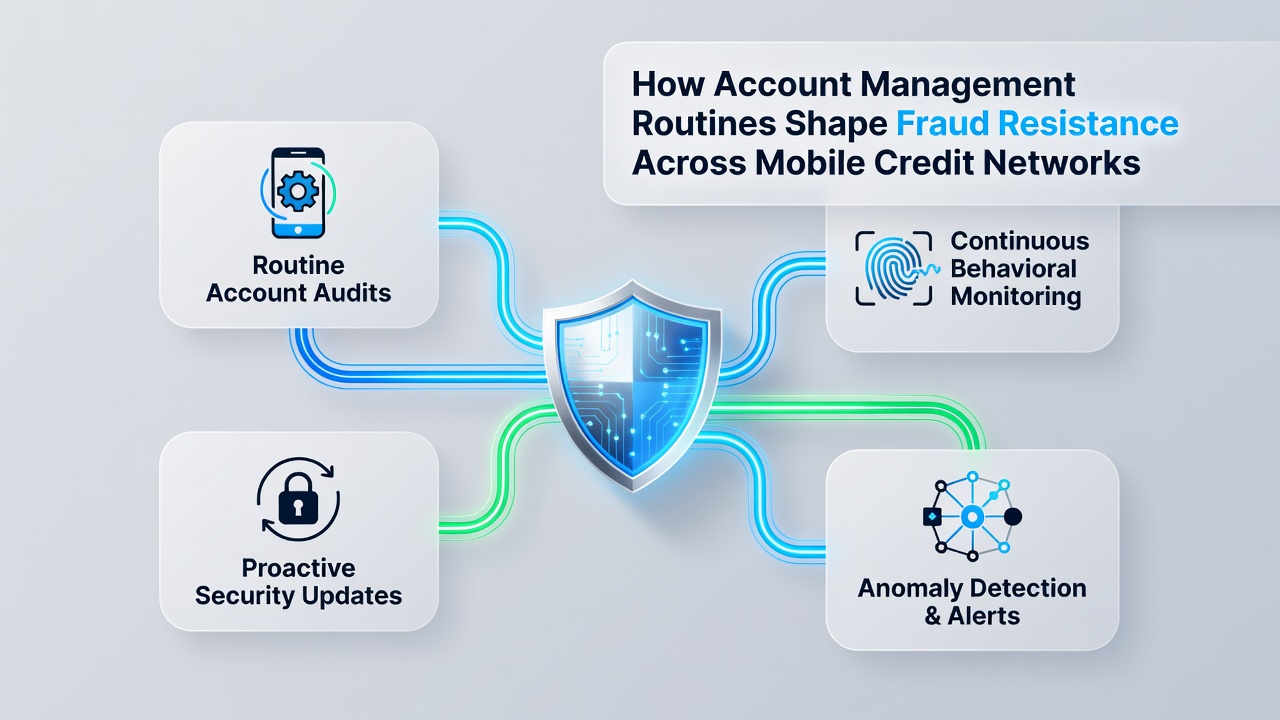
Renewal and update procedures also play a documented role, particularly when they cover both user-facing elements like PIN resets and backend elements such as encryption key rotations. Observers note that networks mandating annual full-account audits alongside automated monthly security patches maintain higher integrity scores in external assessments. Those who've examined breach data across multiple operators point out that delayed updates often correlate with clusters of fraud events, whereas proactive schedules distribute risk more evenly.
Regional Patterns and Data Trends
Regional variations further illustrate the point. In North American deployments, operators emphasizing user-initiated account health checks through dedicated mobile portals report stronger resistance metrics than those relying solely on automated prompts. Federal Trade Commission analyses from 2026 indicate that education around these routines, delivered at account creation and reinforced through in-app reminders, correlates with higher compliance rates and lower dispute volumes. Meanwhile, European operators have leaned into centralized dashboards that aggregate account routines across partner networks, producing unified views that speed up collective responses to emerging threats.
Training for support staff on how to guide users through routine maintenance steps closes additional loops. When agents follow scripted protocols for verifying identity during support calls, the chance of social engineering succeeding drops measurably. Research indicates that networks investing in such staff routines alongside technical measures achieve more balanced fraud resistance, because human elements and automated systems reinforce each other rather than operating separately.
Conclusion
Overall, the documented patterns show that account management routines shape fraud resistance through structured repetition and timely integration rather than isolated features. Networks that embed verification, monitoring, and update cycles into daily operations demonstrate clearer advantages in maintaining transaction integrity across mobile credit environments. As platforms continue to evolve, the emphasis remains on consistent execution of these foundational practices to sustain defenses against increasingly sophisticated attempts.