Adaptive Layers: Linking Administrative Processes to Security Protocols in Modern Transaction Networks
Avery Reed · Jun 19, 2026
Adaptive Layers: Linking Administrative Processes to Security Protocols in Modern Transaction Networks
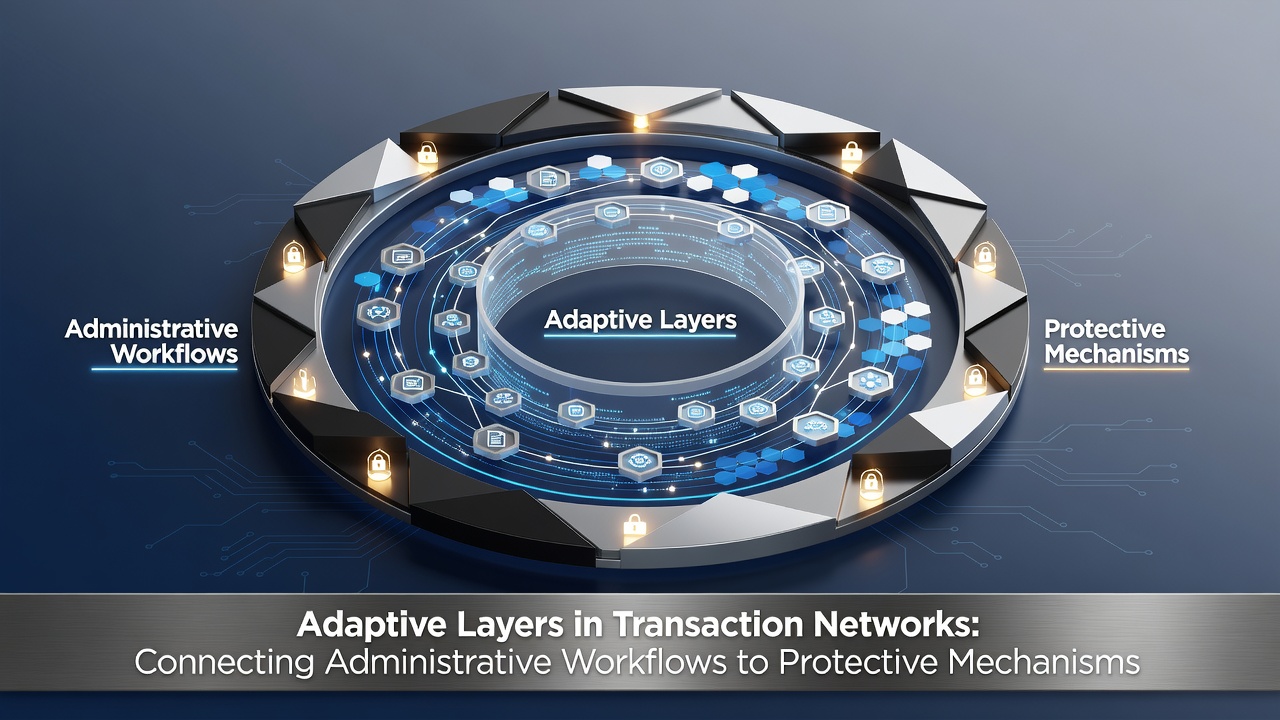
Transaction networks rely on interconnected systems where administrative workflows manage approvals, logging, and compliance checks while protective mechanisms handle encryption, access controls, and anomaly detection. Adaptive layers serve as the connective tissue between these elements, allowing systems to adjust responses based on real-time data inputs and historical patterns. In June 2026, reports from the European Central Bank highlighted how such layers reduced processing delays in cross-border settlements by integrating workflow triggers directly with threat response protocols.
Researchers at several academic institutions have mapped these connections through case studies involving high-volume financial exchanges. One analysis from a team at the University of Toronto examined how adaptive layers reroute administrative tasks when protective systems flag unusual activity, creating seamless handoffs that maintain operational continuity without manual intervention. Data from the study showed transaction completion rates improved when layers incorporated machine learning models trained on workflow logs alongside security event streams.
Core Components of Adaptive Layers
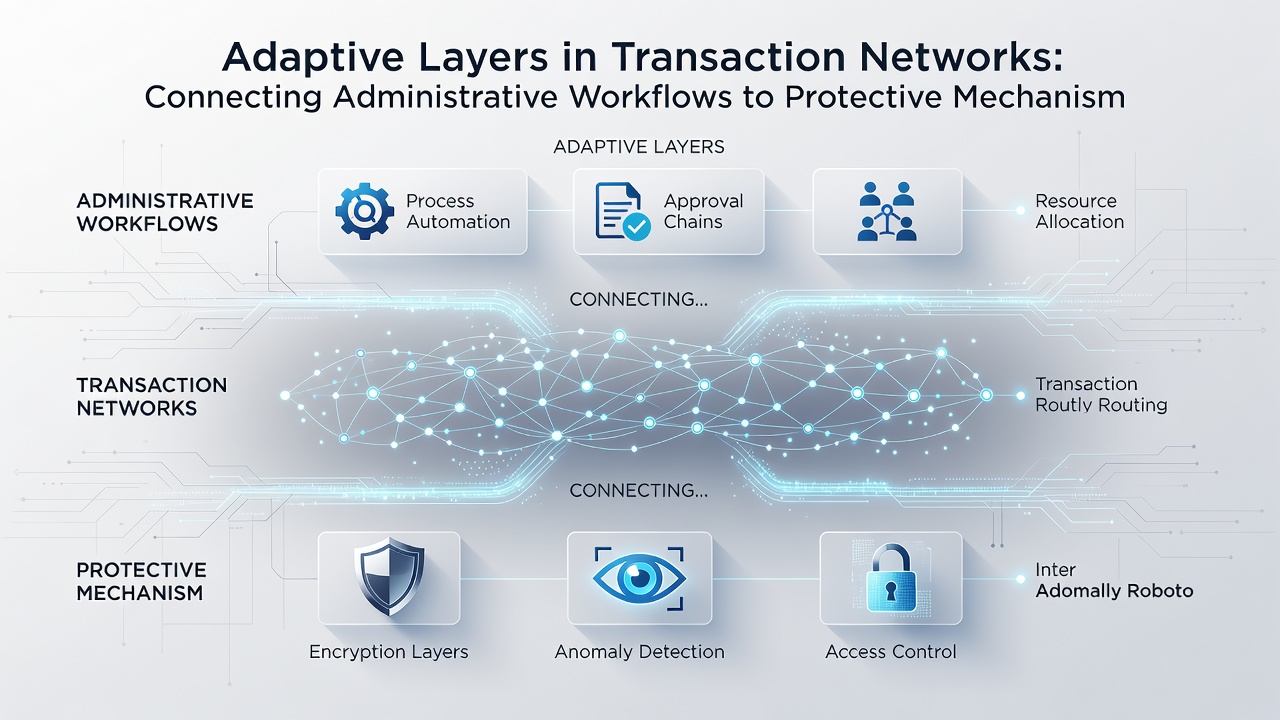
These layers operate through modular architectures that separate concerns yet permit dynamic interactions. Administrative workflows feed structured data such as approval timestamps and user credentials into the layer, while protective mechanisms supply outputs like risk scores and encryption status flags. The layer then applies rule-based adjustments or algorithmic decisions to align the two streams. Observers note that this setup prevents bottlenecks because the system evaluates both sides simultaneously rather than sequentially.
Implementation often draws on standards developed by organizations including the National Institute of Standards and Technology, which published updated guidelines in early 2025 emphasizing interoperability between workflow engines and security modules. Those guidelines describe specific interfaces that allow adaptive layers to query administrative databases and protective APIs in a single transaction cycle, cutting response times in tested environments.
Integration Patterns Observed in Practice
Take one deployment in a regional banking consortium where administrators configured layers to monitor renewal cycles for merchant accounts alongside live fraud indicators. When an administrative update to access permissions coincided with a protective alert on the same account, the layer automatically escalated verification steps rather than processing the change in isolation. Figures from the consortium's internal metrics revealed fewer false positives in security alerts after this pattern took hold.
Another example surfaced in supply chain transaction platforms, where layers synchronized inventory reconciliation tasks with authentication protocols. Researchers documented cases in which delayed administrative approvals triggered temporary protective holds, then released them once workflow completion signals arrived through the adaptive interface. Such coordination reduced reconciliation errors across multi-party networks.
Data Flows and Decision Logic
Information moves through these layers via event-driven pipelines that capture inputs from both domains and apply weighted decision trees. Administrative events carry metadata on process owners and deadlines, while protective events include contextual details such as device fingerprints and geolocation tags. The layer evaluates correlations using predefined thresholds or learned models before issuing combined actions like conditional approvals or enhanced monitoring flags. Industry reports from the Australian Securities and Investments Commission indicate that networks employing this logic experienced measurable gains in audit trail completeness during 2025 compliance reviews.
Configuration requires careful mapping of workflow states to protective responses. Teams typically define escalation paths where certain administrative delays activate additional protective scrutiny, and conversely, elevated risk scores pause workflow progression until reviewed. This bidirectional linkage ensures neither domain operates without awareness of the other, a practice documented in multiple peer-reviewed papers on distributed transaction systems.
Challenges in Scaling These Connections
Scalability issues arise when transaction volumes spike and layer processing must maintain low latency. Observers have tracked instances where insufficient caching of administrative data led to repeated queries against protective databases, increasing overall system load. Solutions include edge deployment of layer components that pre-process workflow patterns locally before syncing with central protective controls. Data from pilot programs conducted by Canadian payment processors in late 2025 demonstrated that such distribution kept average transaction handling times stable even during peak periods.
Security of the layer itself demands attention because it becomes a convergence point for sensitive information. Access controls within the layer must mirror those applied elsewhere, with logging that captures both administrative changes and protective interventions in unified records. Regulatory frameworks from bodies such as the Monetary Authority of Singapore stress the importance of these unified logs for post-incident analysis.
Future Directions in Layer Design
Developments underway focus on greater use of graph-based representations to model relationships between workflow steps and protective states. These graphs allow layers to identify indirect connections, such as how one administrative approval influences downstream security checks across partner networks. Early tests reported in academic proceedings suggest improved detection of cascading risks when graph analytics replace simpler linear rules.
Standardization efforts continue through industry consortia that publish reference implementations for adaptive interfaces. Participants share anonymized datasets to refine common decision logic while preserving proprietary workflow details. This collaborative approach has produced open specifications that facilitate adoption across different transaction network types without requiring full system overhauls.
Conclusion
Adaptive layers provide structured pathways that bind administrative workflows to protective mechanisms within transaction networks. Through defined interfaces and decision logic, these layers enable coordinated responses that address both operational requirements and security demands. Evidence from regulatory reports, academic studies, and operational deployments shows consistent patterns of improved continuity and traceability when such integration occurs. As networks expand in complexity, the role of these layers in maintaining alignment between the two domains remains central to system design.