Aligning Invoice Workflows with Live Threat Assessment in Credit Card Ecosystems
Willa Lang · Jun 21, 2026
Aligning Invoice Workflows with Live Threat Assessment in Credit Card Ecosystems
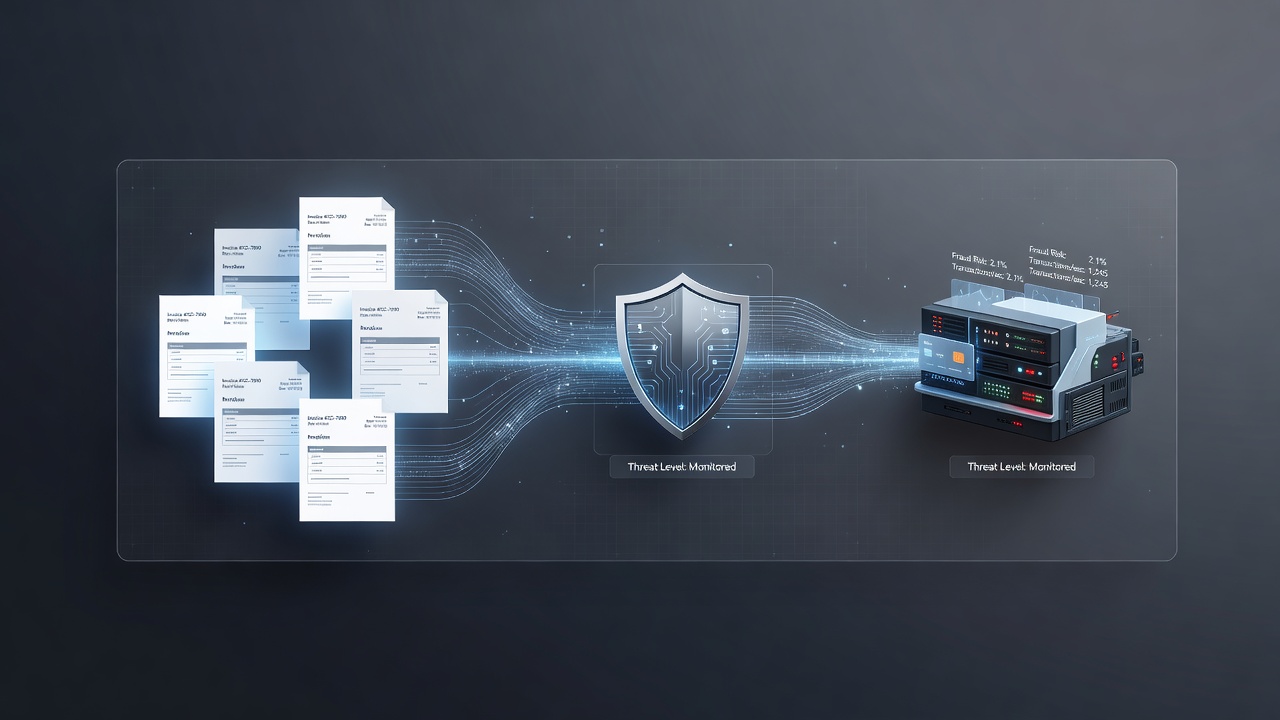
Invoice management processes now link directly to live threat assessment tools within credit card systems, creating pathways where billing data feeds into security engines that flag anomalies as transactions occur. This connection allows systems to cross-reference invoice details such as amounts, vendor identifiers, and payment schedules against behavioral patterns drawn from transaction histories, while operators observe how these alignments reduce exposure points in merchant environments. Researchers at academic institutions have documented cases where such linkages caught discrepancies in recurring billing cycles before they escalated into larger issues.
Core Components of the Integration
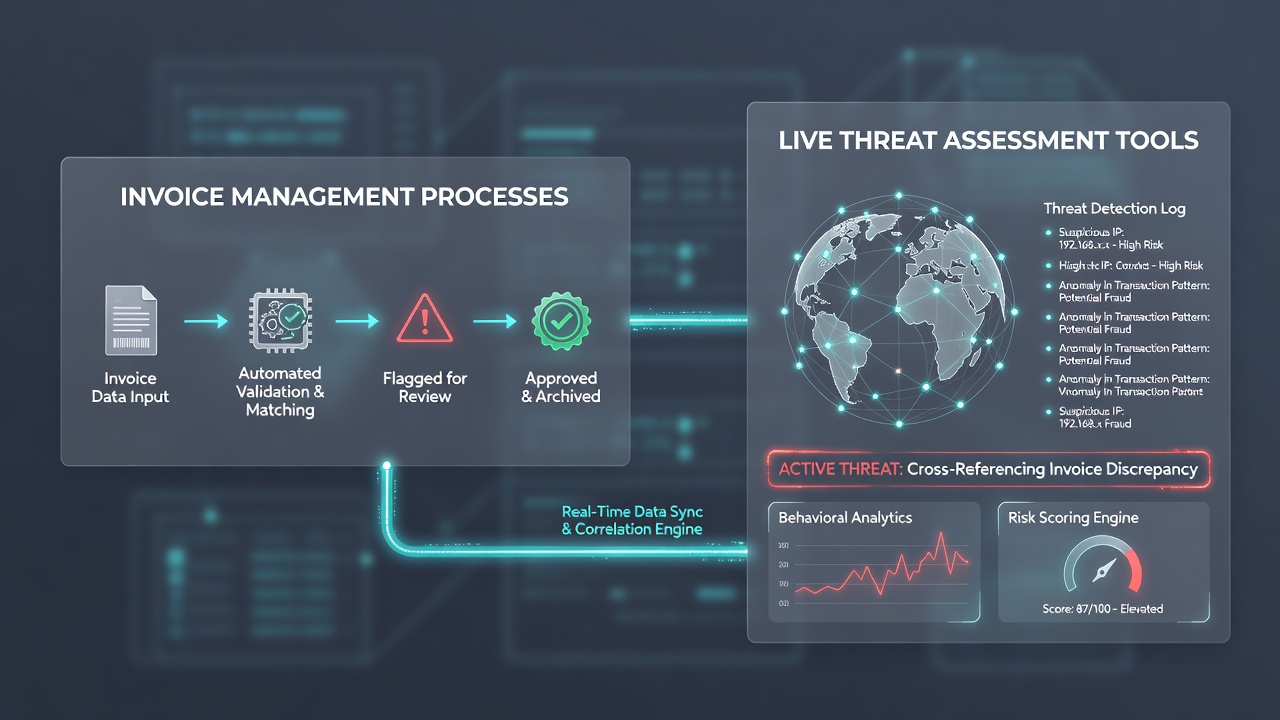
Invoice platforms handle structured data including line items, due dates, and approval chains, whereas live threat tools scan for indicators like velocity spikes, mismatched geolocations, and device inconsistencies across card networks. When these elements connect through APIs, incoming invoices trigger immediate scans that compare submitted values against historical norms for specific cardholders or merchants, and systems then route flagged items to review queues or automated holds. Observers note that this setup operates continuously, pulling from multiple data streams rather than relying on periodic batch reviews that leave gaps between checks.
Payment processors achieve these connections by embedding threat scoring modules into existing billing software, which means an invoice entry instantly generates risk scores based on factors such as new payee additions or unusual currency conversions. According to reports from the European Banking Authority, organizations implementing these ties saw measurable drops in unauthorized card activity during high-volume periods, because the tools adapt thresholds dynamically as new invoice patterns emerge.
Operational Flows and Data Exchange
Data moves from invoice creation stages through validation layers that query threat databases in milliseconds, allowing credit card systems to approve or challenge entries before funds move. For instance, an automated renewal invoice might pull card details that a live assessment engine then matches against known compromise lists, prompting additional verification steps if matches appear. Those who've studied these setups find that the process relies on standardized data formats like ISO 20022 to ensure compatibility across different card networks and regional processors.
Merchants often maintain separate ledgers for invoicing and transaction logging, yet integration bridges these by pushing metadata from invoices into threat models that track account-level behaviors over time. This approach handles scenarios where repeated small invoices mask larger patterns of testing, as the assessment tools aggregate signals from both sources to build composite risk profiles. Industry analyses from the Australian Payments Network highlight how such coordination supports compliance with evolving security benchmarks that emphasize real-time responsiveness.
Applications in Fraud Reduction
Live assessment tools gain precision when invoice details supply context that raw transaction logs lack, such as expected payment frequencies or contractual amounts. Credit card issuers use this enriched view to differentiate legitimate business-to-business billing from attempts to exploit stored credentials, and they adjust authorization rules accordingly without disrupting normal operations. One study revealed that merchants applying these methods experienced fewer chargebacks tied to disputed recurring charges, since the systems flagged deviations early in the invoice lifecycle.
During June 2026, updates to card network rules emphasized tighter coupling between administrative billing functions and security monitoring, prompting widespread adoption among processors handling cross-border volumes. These changes required systems to log invoice-threat interactions for audit purposes, which in turn helped trace how specific data points influenced decision outcomes in disputed cases. Regulatory bodies in Canada have issued guidance encouraging similar alignments to strengthen protections around consumer card data.
Implementation Considerations
Technical setups demand secure channels for data sharing between invoice databases and threat platforms, often involving tokenization to shield sensitive card numbers while preserving analytical utility. Teams configure alert thresholds based on historical invoice volumes for each merchant category, which prevents over-flagging of routine variations that occur during seasonal business cycles. What's interesting is how legacy systems require middleware adapters to participate in these real-time exchanges without full replacements.
Training for staff focuses on interpreting combined outputs from both invoice and threat interfaces, enabling quicker resolutions when automated flags arise. Organizations track metrics such as false positive rates and response times to refine the connections, drawing from aggregated performance data across multiple deployments. Evidence suggests these refinements lead to more stable processing environments as the integrations mature.
Conclusion
Connections between invoice management and live threat assessment continue to evolve within credit card systems, driven by the need to handle increasing transaction complexity while maintaining security standards. Data from various implementations shows consistent patterns where early integration yields tighter control over billing-related risks. As networks incorporate feedback from operational use, these alignments support broader efforts to protect card ecosystems against emerging threats.