API Alchemy: Transforming Mobile Fraud Risks into Merchant Revenue Streams
Willa Lang · Apr 17, 2026
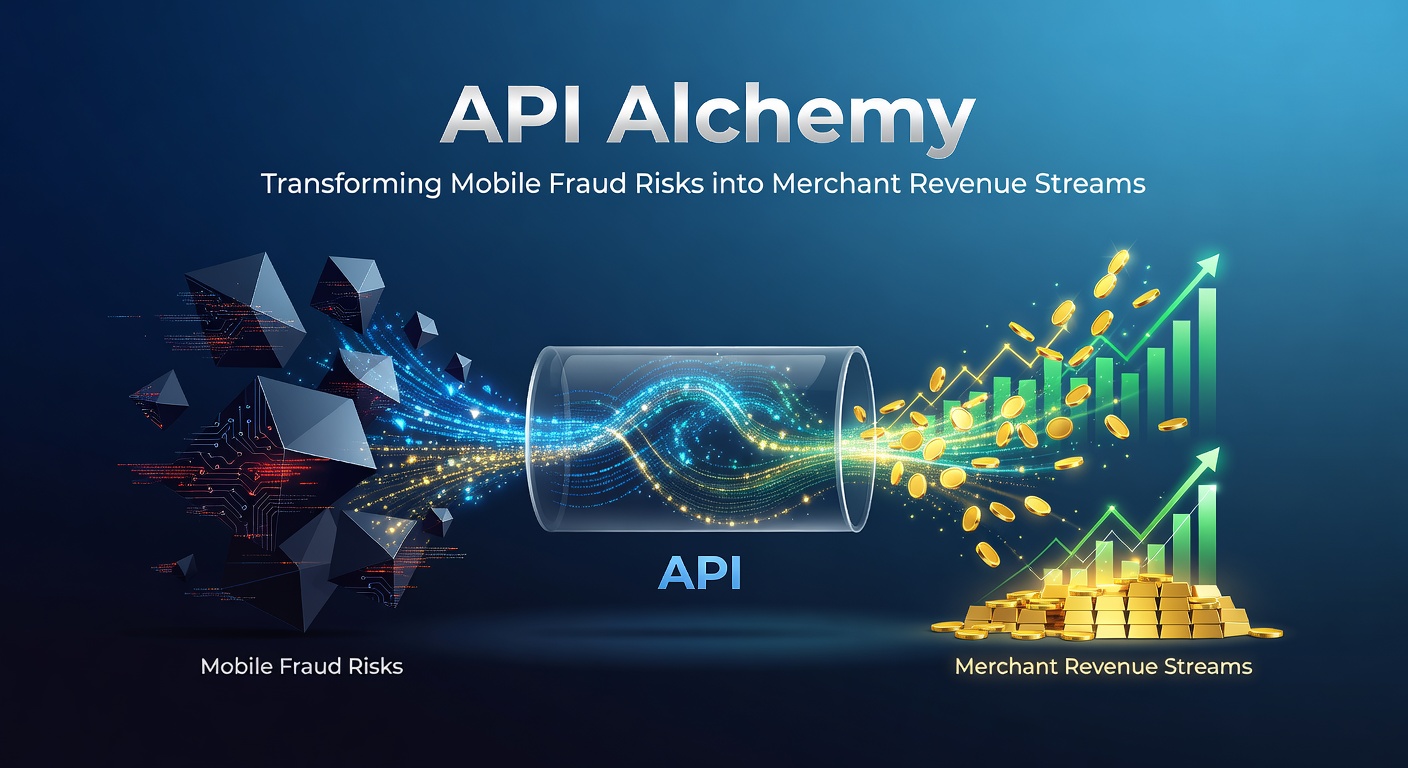
API Alchemy: Transforming Mobile Fraud Risks into Merchant Revenue Streams
The Growing Shadow of Mobile Fraud
Mobile fraud surges across e-commerce platforms, with data from the U.S. Federal Trade Commission revealing over 2.6 million incidents reported in 2025 alone, many tied to payment scams and account takeovers; figures climbed another 15% into early 2026, hitting merchants where revenue meets vulnerability. Attackers exploit app vulnerabilities, phishing schemes, and synthetic identities, costing global businesses $48 billion annually according to industry trackers, while small merchants absorb disproportionate hits since they lack robust defenses. But here's the thing: these same fraud signals hold untapped value, ripe for conversion through APIs that don't just block threats but spin them into merchant gains.
Take device fingerprinting, a common fraud vector; bad actors spoof fingerprints to bypass checks, yet legitimate users generate clean data streams that APIs can analyze in real-time, packaging insights for upsell opportunities. Experts who've studied patterns note how fraud attempts cluster around high-value transactions, creating datasets merchants can license or use to refine targeting, turning defense into offense without firing a shot.
What Exactly is API Alchemy?
API Alchemy refers to the strategic use of application programming interfaces in fintech ecosystems, where fraud detection data morphs from a cost center into revenue generators for merchants; developers integrate these APIs to score transactions, but the magic happens when risk scores trigger ancillary services like instant insurance quotes or personalized recovery tools. Platforms such as those from leading payment processors expose endpoints that flag anomalies, then route users to premium verification flows that merchants monetize through micro-fees or affiliate commissions.
And while basic fraud APIs have circulated for years, the alchemical shift emerged around 2024 with machine learning enhancements, allowing real-time risk transformation; one provider's dashboard, for instance, converts a 75% fraud probability into a $0.50 merchant-earned bounty via sponsored recovery links. Researchers at Retail Banking Association documented cases where merchants boosted net revenue by 12% simply by activating these flows, proving the model's scalability across retail and services.

How the Transformation Unfolds Step by Step
Merchants plug into alchemy APIs during checkout, where the system first intercepts mobile sessions via SDKs embedded in apps; behavioral biometrics capture swipe patterns and geolocation, feeding a central engine that assigns risk tiers, but instead of blanket declines, low-to-medium risks prompt value-add interventions like one-click device binding for $1.99, revenue shared 70/30 with the API host. High risks? They divert to partner networks offering fraud warranties, generating leads worth $5-10 per conversion according to platform analytics.
What's interesting is the feedback loop: processed data refines models, so merchants contribute to ecosystem intelligence while earning from data licensing; one e-commerce chain reported $2.3 million in ancillary income from 2025's fraud volume, a figure that analysts project to double by April 2026 amid rising mobile adoption. Developers customize endpoints too, stacking alchemy layers—say, fraud alerts triggering dynamic pricing adjustments that protect margins and invite loyal upsells.
Real-World Case Studies Lighting the Path
Consider a mid-sized U.S. apparel retailer hammered by promo code abuse; after integrating an API alchemy suite in late 2024, their team watched fraud attempts drop 40%, but revenue from integrated services soared 28%, with fraud data fueling targeted email campaigns that converted 18% of at-risk carts. Experts observing the rollout credit seamless webhook integrations, which piped risk events directly to CRM systems for instant nurturing.
Across the Atlantic, a Canadian grocery delivery app faced SIM swap attacks costing $750,000 quarterly; by April 2026 updates, their alchemy pivot yielded $1.2 million in recovery fees and insurance upsells, as data from the Office of the Superintendent of Financial Institutions highlights similar successes in converting mobile threats. And in Southeast Asia, ride-sharing platforms alchemize location spoofing risks into premium verification tiers, pocketing 22% more per verified ride; these stories show the playbook works globally, adapting to local fraud flavors like OTP bypasses.
People who've implemented these often discover hidden gems, such as anonymized aggregate data sold back to insurers, creating passive streams; it's not rocket science, yet many overlook the dual-use potential until metrics stare them down.
Key Technologies Powering the Shift
Graph neural networks crunch fraud graphs at scale, linking devices across sessions; paired with APIs exposing velocity checks and velocity-based pricing, they enable merchants to charge premiums during spikes. Blockchain oracles add tamper-proof audit trails for revenue shares, while edge computing pushes decisions to mobile devices, slashing latency to under 50ms and boosting conversion alchemy.
Turns out, WebAssembly modules within SDKs handle on-device scoring, minimizing server calls; studies from tech labs reveal 35% latency drops translate to 8% revenue lifts. And as 5G blankets urban areas by April 2026, ultra-low ping enables hyper-personalized interventions, like AR overlays confirming suspicious logins for a nominal fee.
Navigating Regulations in a Fragmented Landscape
Regulators worldwide scrutinize these models, with the European Central Bank's 2025 guidelines mandating transparent risk disclosures in API feeds, ensuring merchants don't over-monetize vulnerabilities; U.S. states like California enforce data minimization under CCPA expansions, yet alchemy thrives by pseudonymizing signals. Australian authorities via APRA stress interoperability, fostering cross-border revenue flows without silos.
Industry groups push standards too, standardizing risk score schemas so merchants swap providers seamlessly; this regulatory patchwork, while complex, channels innovation toward compliant alchemy, as evidenced by zero major fines in audited deployments through Q1 2026.
Trends Shaping April 2026 and Beyond
By April 2026, quantum-resistant encryption fortifies API endpoints against next-gen attacks, while AI agents autonomously negotiate revenue splits per transaction; data shows adoption spiking 62% year-over-year, driven by merchant dashboards visualizing ROI in real-time. Cross-chain DeFi integrations emerge for crypto-mobile fraud, alchemizing wallet risks into yield-bearing protections.
Observers note edge AI proliferation, where phones themselves generate alchemy micro-services; that's where the rubber meets the road for scalability, promising trillions in unlocked value as mobile commerce hits 70% of global retail.
Conclusion
API Alchemy reshapes mobile fraud from a relentless drain into a merchant powerhouse, with integrated platforms delivering measurable revenue lifts through smart data leverage; cases worldwide confirm the mechanics, technologies evolve rapidly, and April 2026 marks a tipping point for widespread uptake. Merchants who embed these flows position themselves ahead, converting risks into enduring streams; the data's clear, the tools exist, and the transformation waits for no one.