Charting Support Pathways: How Coordinated Networks Bolster Security in Mobile Billing and Gateway Frameworks
Sofia Schmitz · May 27, 2026
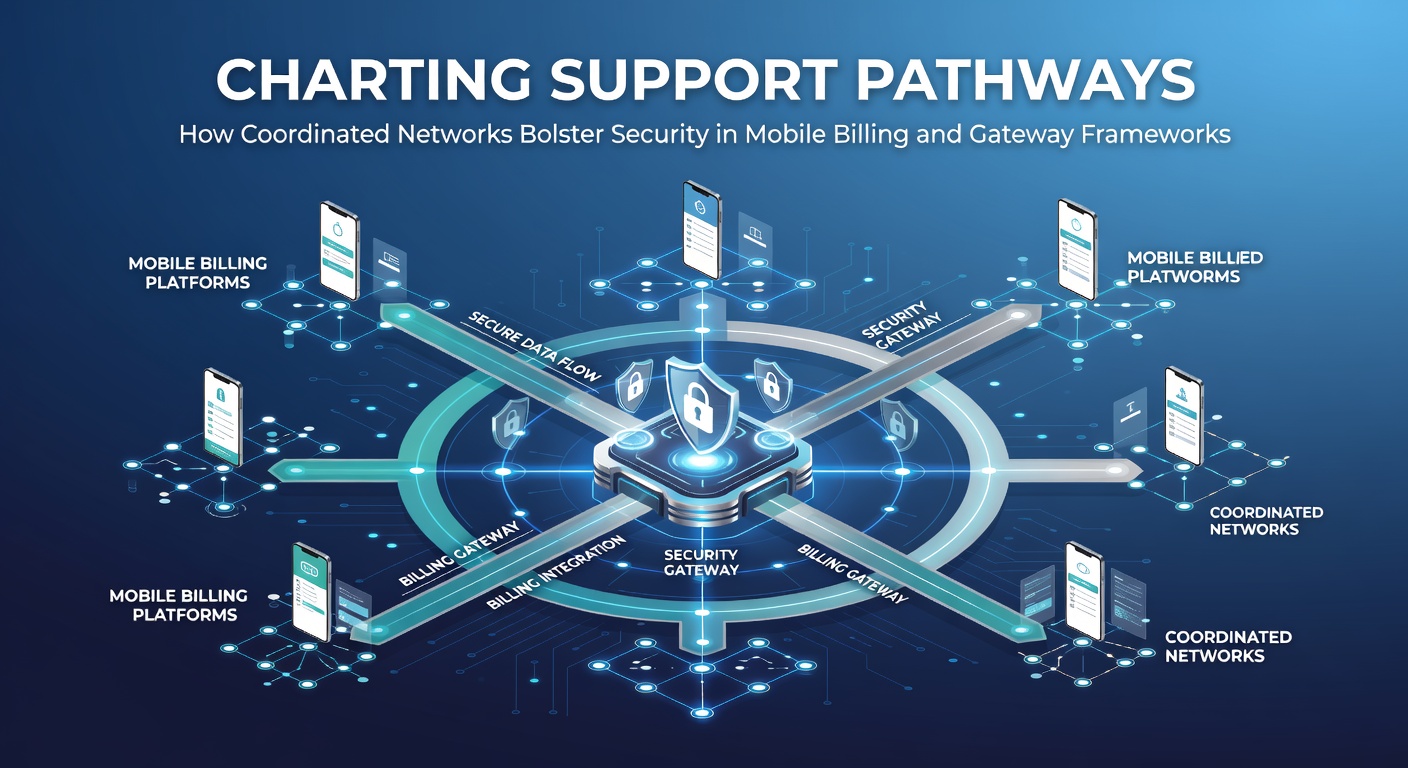
Charting Support Pathways: How Coordinated Networks Bolster Security in Mobile Billing and Gateway Frameworks
Coordinated networks in mobile billing and gateway frameworks operate through mapped support pathways that connect customer assistance teams with fraud monitoring units and transaction processors, and these pathways have gained attention as mobile transaction volumes continue rising into 2026.
Mapping the Core Elements of Support Pathways
Support pathways function as structured routes that link front-line resolution staff to backend security layers within mobile billing environments, and they allow data from user queries to feed directly into gateway monitoring systems without creating delays in transaction flows. Researchers at academic institutions have documented how these pathways reduce response times when anomalies appear in billing records, while gateway frameworks gain access to real-time indicators that might otherwise remain isolated in separate departments.
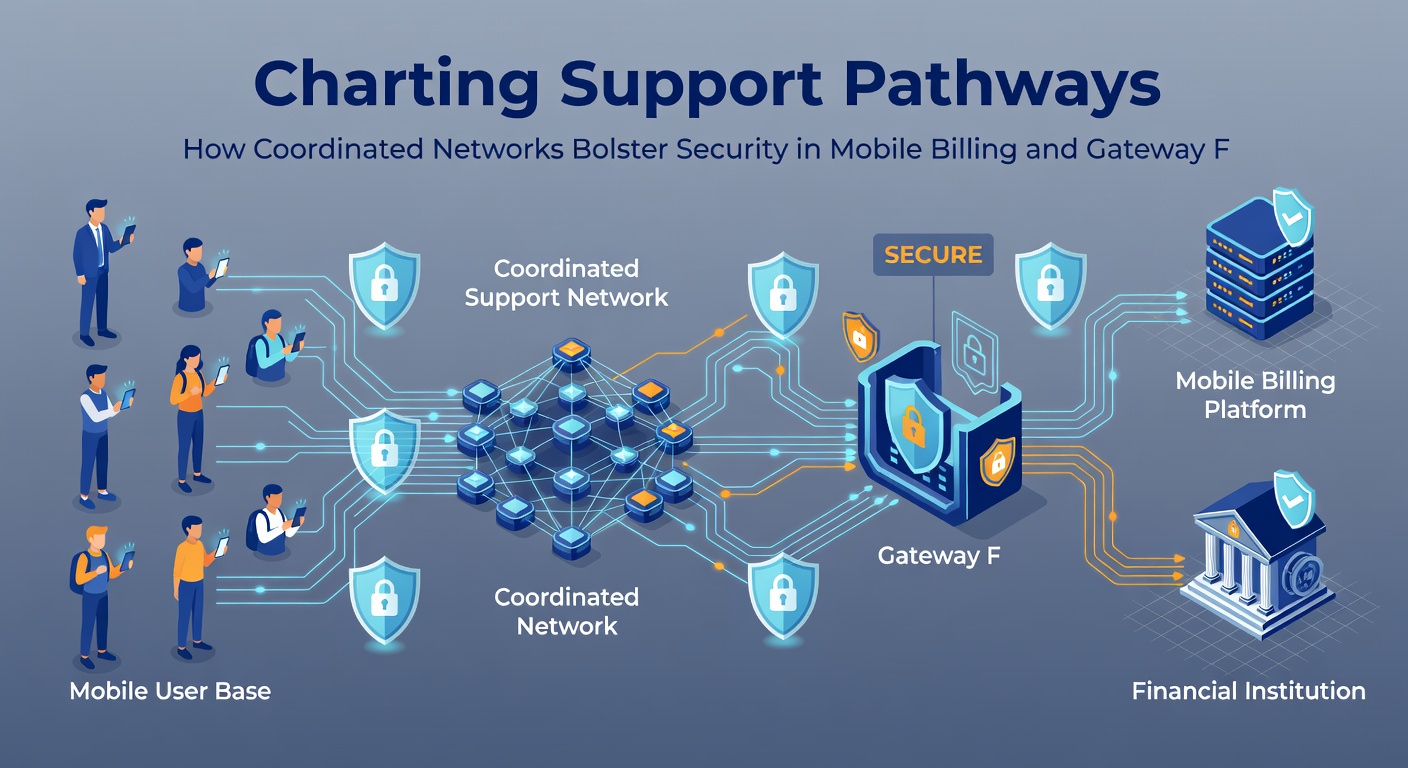
Payment processors have implemented shared dashboards that display support ticket patterns alongside authorization logs, and this integration enables teams to trace issues such as repeated failed attempts or unusual device signatures back to specific user accounts. Data from industry reports indicate that organizations using such coordinated mapping report fewer instances of account takeovers compared with those maintaining siloed operations.
Integration Practices Across Mobile Billing and Gateways
Mobile billing platforms rely on APIs that transmit support-derived signals into gateway decision engines, and these signals include notes from escalated cases where users report unexpected charges or access problems. When coordinated networks function effectively, gateway rulesets update dynamically based on aggregated support intelligence rather than waiting for periodic batch reviews.
Observers note that in May 2026 several payment service providers began testing enhanced pathway protocols that incorporate device fingerprinting data collected during support interactions, and this approach allows gateways to apply stricter verification for transactions originating from flagged device clusters. The PCI Security Standards Council has published guidelines that emphasize secure data handoffs between support systems and payment gateways to maintain compliance during these exchanges.
Security Outcomes from Network Coordination
Coordinated pathways strengthen security by creating feedback loops where support resolutions inform fraud models and gateway configurations simultaneously, and studies from research institutions show measurable declines in chargeback rates when such loops operate without friction. One analysis of European fintech operations found that integrated support and gateway teams identified suspicious patterns 40 percent faster than disconnected groups.
Canadian regulatory updates in early 2026 highlighted the importance of documented support pathways in maintaining audit trails for mobile payment disputes, and these requirements encourage organizations to maintain clear records of how support information influences gateway actions. Australian government agencies have similarly referenced coordinated frameworks in their guidance on protecting consumers from unauthorized mobile transactions.
Take one processor that aligned its support ticketing system with gateway alert protocols, and that alignment allowed analysts to correlate a spike in password reset requests with a series of high-value international authorizations, leading to preemptive blocks before losses accumulated. Such examples illustrate how pathway coordination converts isolated data points into actionable security measures.
Challenges in Maintaining Effective Pathways
Organizations encounter difficulties when support staff lack training on gateway terminology or when data formats between systems remain incompatible, and these gaps can slow the flow of critical indicators. Industry organizations recommend regular joint exercises between support and security teams to identify bottlenecks before they affect transaction integrity.
Yet many frameworks now incorporate automated tagging that classifies support interactions by risk level and routes relevant details to gateway teams without manual intervention, and this automation has helped address earlier coordination shortfalls documented in prior years.
Future Developments in Coordinated Security Frameworks
As mobile billing ecosystems expand, coordinated networks are expected to incorporate machine learning outputs from support interactions that predict potential gateway vulnerabilities, and preliminary trials suggest these predictive elements could further tighten authorization controls. Regulatory bodies across multiple regions continue to review how such integrations align with data protection standards while preserving operational efficiency.
Conclusion
Coordinated support pathways provide measurable security advantages in mobile billing and gateway frameworks by enabling continuous information exchange between operational teams, and evidence from regulatory reports and industry analyses confirms their role in reducing fraud exposure. Organizations that invest in these mapped connections position their systems to respond more effectively to emerging threats as transaction environments evolve through 2026 and beyond.