Coordinating Customer Support Networks with Payment Processing Systems to Strengthen Fraud Prevention
Henrik Fischer · May 15, 2026
Coordinating Customer Support Networks with Payment Processing Systems to Strengthen Fraud Prevention
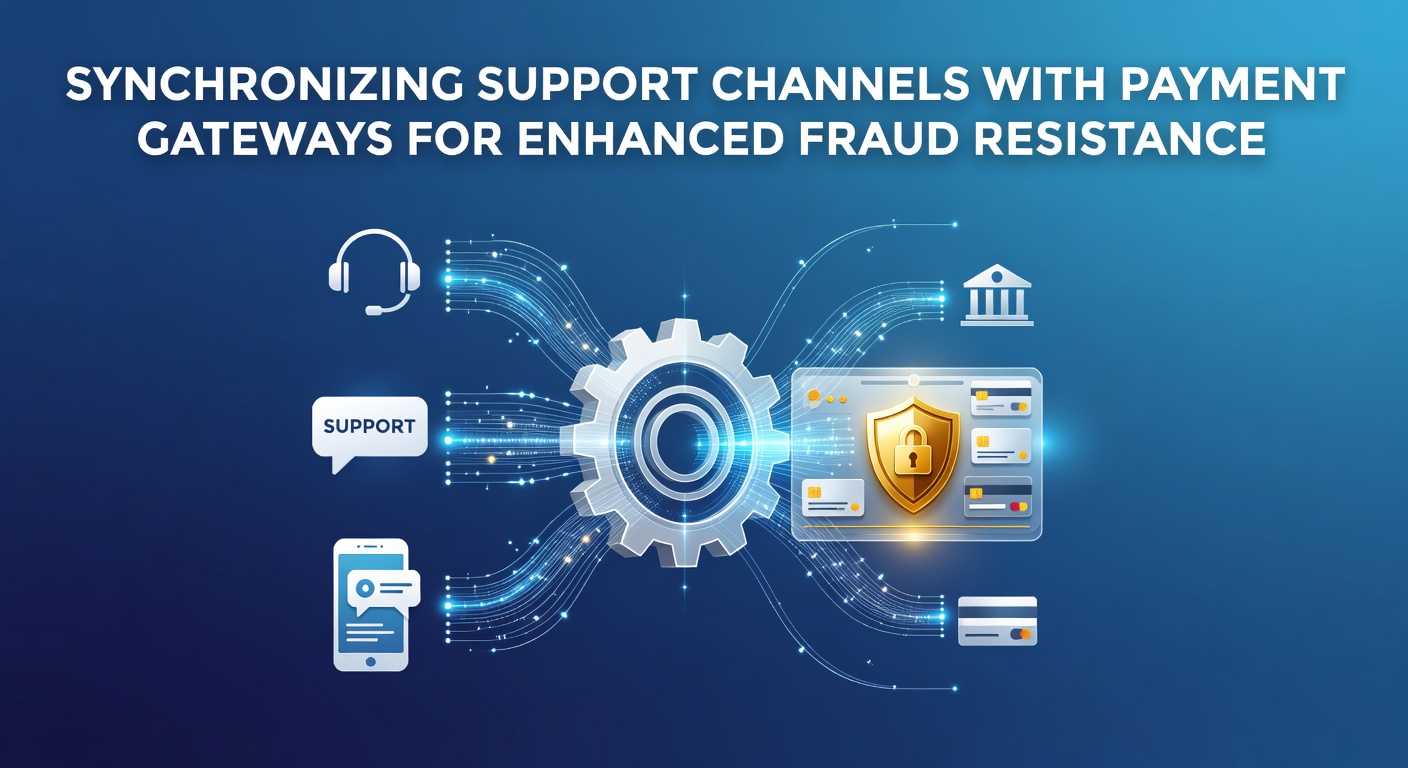
Coordinating customer support networks with payment processing systems creates direct pathways for sharing transaction data and user interactions that help identify suspicious patterns before they escalate into confirmed fraud cases. This approach links support tickets, chat logs, and callback requests to gateway activity in ways that allow systems to cross-reference details like device fingerprints, location signals, and account history without requiring separate manual reviews at every step.
Core Components of Unified Channel Synchronization
Payment gateways already capture authorization attempts, decline reasons, and velocity metrics while support platforms record inquiry types, resolution times, and customer verification steps. When these streams merge through secure APIs, analysts gain visibility into sequences where a user contacts support immediately after multiple failed transactions, a pattern that often signals account takeover attempts. Data from the Federal Reserve Bank of New York indicates that organizations implementing such linkages recorded measurable reductions in unauthorized payment volumes during the first half of 2026, particularly in sectors handling high volumes of digital transactions.
Real-time alert routing forms another essential layer. Support agents receive contextual flags generated by gateway rules, such as mismatched billing addresses or unusual purchase categories, while the gateway simultaneously receives updated risk scores derived from support-verified identity confirmations. This bidirectional flow reduces the lag between an initial fraud signal and the corresponding response action, allowing holds to activate within seconds rather than minutes.
Technical Implementation Practices Observed in 2026
Developers typically establish webhook endpoints that push support events into the gateway's fraud scoring engine and conversely pull transaction metadata into the support dashboard for immediate agent review. Encryption protocols like TLS 1.3 combined with tokenization of sensitive fields maintain compliance with standards such as PCI DSS while enabling the necessary data exchange. Observers note that middleware layers often handle schema mapping between disparate systems, converting support ticket fields into standardized risk attributes that gateways can process alongside existing signals.
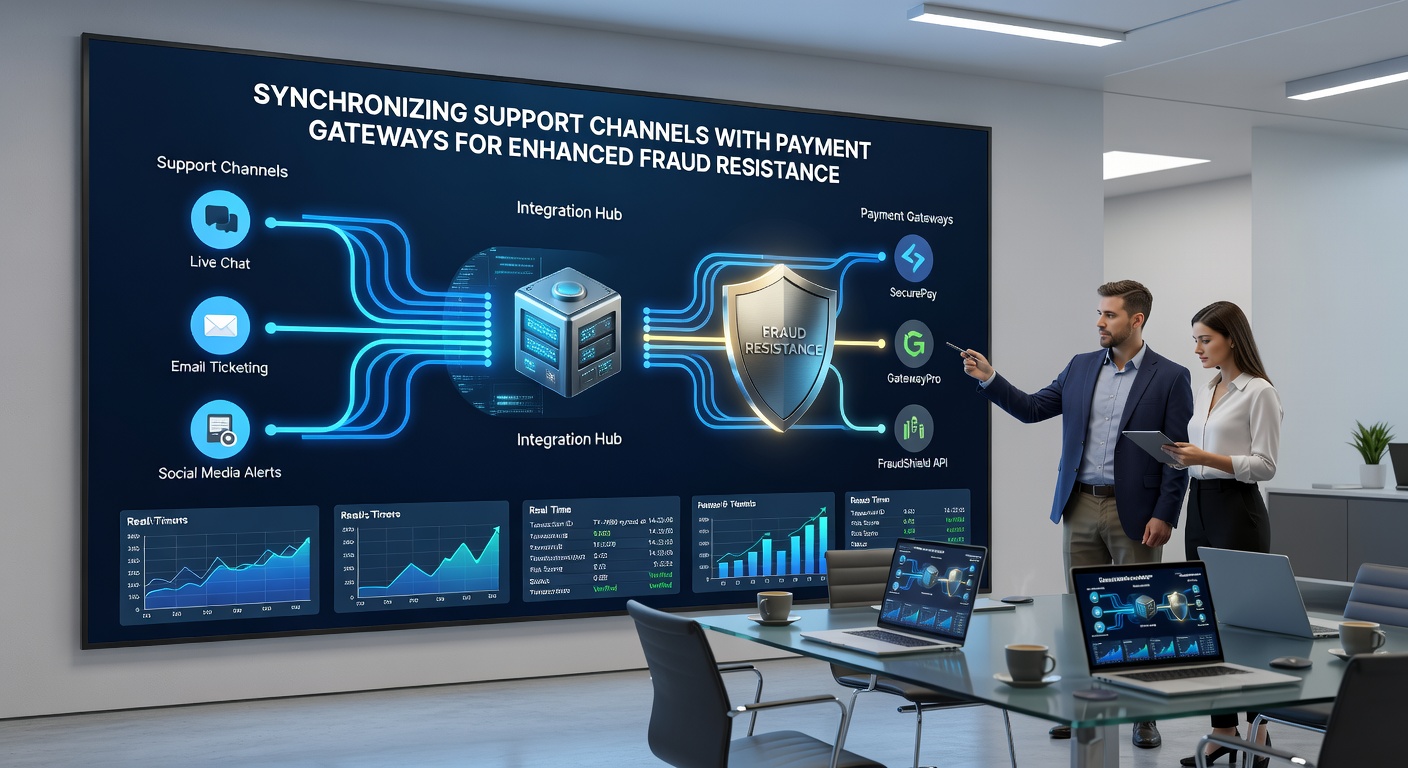
Case studies from mid-sized merchants reveal that teams deploying these integrations in early 2026 achieved faster resolution of disputed charges because support staff could reference gateway logs directly instead of submitting separate data requests. One documented example involved a subscription service that correlated repeated password reset requests with subsequent high-value gift card purchases, enabling proactive blocks that prevented losses exceeding previous monthly averages. European Banking Authority guidelines released around the same period emphasize similar data-sharing requirements for strong customer authentication frameworks, reinforcing the technical rationale behind such synchronization.
Impact on Detection Accuracy and Operational Workflows
Research published through academic partnerships with institutions like the University of Melbourne highlights how synchronized channels improve machine learning model performance by supplying richer feature sets, including interaction frequency and sentiment indicators from support conversations. These additional inputs help distinguish legitimate customer frustration from deliberate probing behavior that precedes account compromise. Figures from industry consortia tracking global payment ecosystems show corresponding declines in false-positive declines, which in turn preserve revenue that would otherwise be lost to overly cautious blocking rules.
Workflow changes accompany the technical upgrades. Agents shift from reactive troubleshooting to proactive monitoring, using unified dashboards that surface gateway-triggered events alongside open tickets. Training programs now include modules on interpreting combined risk signals, ensuring staff understand when to escalate a case for manual review versus when automated gateway actions suffice. This evolution streamlines operations while maintaining audit trails required for regulatory reporting.
Regulatory and Standards Alignment Considerations
Frameworks such as Australia's Payments System Board recommendations encourage data interoperability between customer-facing and transaction-processing functions to support fraud reporting obligations. Organizations aligning their architectures with these expectations often experience smoother audits because consolidated logs demonstrate consistent application of controls across both channels. As of May 2026, several jurisdictions continue to refine disclosure rules around real-time data sharing, prompting developers to incorporate configurable consent mechanisms that let users control which support interactions feed into fraud models.
Security testing cycles now routinely include scenarios that simulate support channel compromise attempts, verifying that gateway defenses remain intact even when one side of the integrated system faces targeted attacks. Penetration reports from independent assessors document that properly segmented APIs and continuous monitoring reduce the blast radius of any single breach vector.
Conclusion
Coordinating support networks with payment gateways delivers measurable improvements in fraud resistance through faster information exchange, enhanced detection models, and streamlined operational responses. Organizations that establish these linkages position themselves to adapt to evolving threat patterns while satisfying growing regulatory expectations around integrated risk management. Continued refinement of API standards and consent frameworks will likely shape further developments in this area throughout the remainder of 2026 and beyond.