Coordinating Renewal Cycles with Authentication Standards in Global Digital Markets
Willa Lang · Jul 15, 2026
Coordinating Renewal Cycles with Authentication Standards in Global Digital Markets
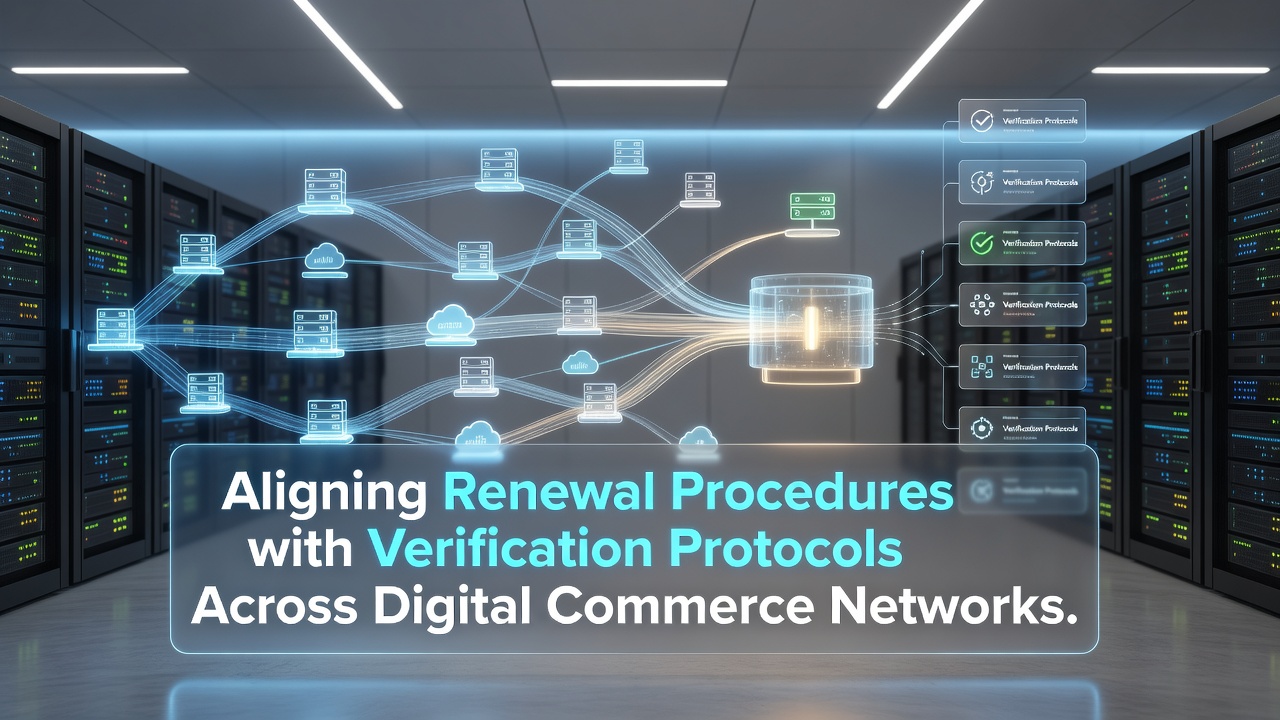
Digital commerce networks rely on precise coordination between renewal procedures and verification protocols to maintain transaction integrity, and experts observe that misalignment often leads to processing delays or security gaps. Renewal procedures handle subscription extensions, account reactivations, and recurring billing cycles while verification protocols encompass identity checks, device authentication, and compliance validations. When these elements operate in sync, systems reduce error rates and support smoother operations across platforms that span multiple regions and payment types.
Core Components of Renewal and Verification Alignment
Renewal procedures typically trigger at fixed intervals such as monthly or annual cycles, pulling data from stored customer profiles to process payments automatically, yet verification protocols require real-time confirmation of user details to prevent unauthorized activity. Observers note that integration occurs through shared data pipelines where renewal triggers prompt immediate protocol checks, including biometric scans or token validations, and this connection ensures each recurring transaction meets current standards. Data from industry reports shows that networks implementing such alignments experience fewer interruptions, particularly when handling high volumes during peak periods like holiday seasons or promotional events.
Authentication standards evolve with regulatory updates, and in July 2026 several platforms adjusted their verification layers to incorporate enhanced multi-factor requirements that align directly with renewal timestamps. Researchers discovered that embedding these checks into renewal workflows minimizes redundant data requests, which in turn lowers customer friction while upholding security thresholds. Those who have studied integration patterns across e-commerce systems find that standardized APIs facilitate this synchronization, allowing renewal engines to query verification services without disrupting billing sequences.
Operational Benefits Observed in Network Implementations
Networks that coordinate these processes report measurable improvements in transaction success rates, with figures revealing reductions in failed renewals by up to 25 percent when verification occurs inline rather than as a separate step. This approach connects account controls directly to live protection systems, enabling dynamic adjustments based on risk signals detected during renewal attempts. Studies indicate that merchants using unified frameworks handle cross-border transactions more efficiently because verification protocols adapt to regional requirements without halting renewal flows.
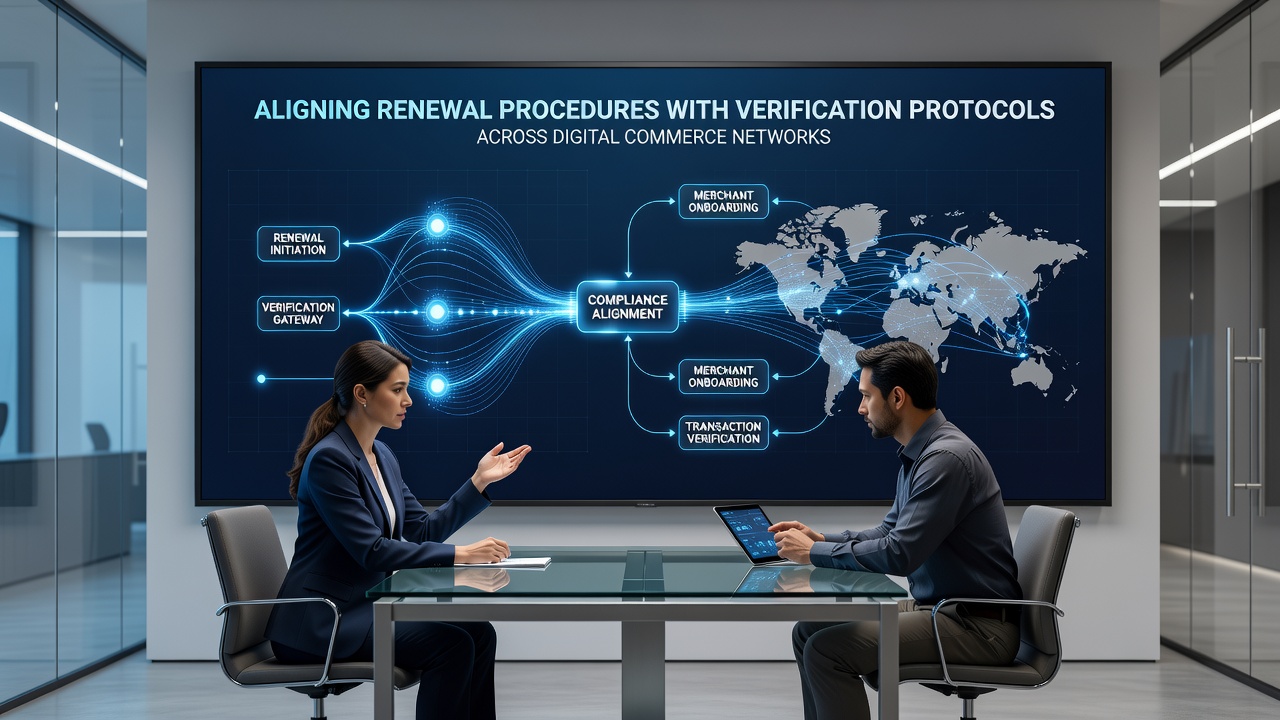
One example involves a European retail consortium that linked its subscription management tools to centralized verification hubs, resulting in automated compliance reporting that meets directives from the European Commission. Similarly, Australian businesses have adopted comparable models following guidance from the Australian Competition and Consumer Commission, where renewal schedules now incorporate mandatory identity reaffirmations at each cycle. These cases demonstrate how alignment supports broader ecosystem stability without introducing new bottlenecks.
Technical Integration Practices and Emerging Patterns
Technical teams achieve alignment through layered architectures that separate renewal logic from verification modules while maintaining constant data exchange, and this separation allows independent updates to each component as standards change. According to research from academic institutions focused on digital systems, protocols such as OAuth extensions and certificate pinning strengthen these connections by securing the handoff points between renewal requests and authentication responses. What's interesting is how machine learning models now predict renewal risks in advance, triggering preemptive verifications that reduce the load on live systems during high-traffic windows.
Challenges arise when legacy systems lack compatible interfaces, forcing manual reconciliations that delay processing, yet modern middleware solutions bridge these gaps effectively. Observers note that gradual migration paths, tested in controlled environments, enable networks to align procedures without full overhauls, and this method has gained traction among mid-sized platforms expanding into new markets. Evidence suggests that consistent logging across both renewal and verification stages aids in audits and helps identify patterns that could indicate systemic issues.
Future Developments in Synchronized Commerce Frameworks
Projections for late 2026 point toward wider adoption of decentralized verification methods that tie into renewal cycles via blockchain-based ledgers, offering immutable records of each aligned step. Government agencies in Canada have begun exploring similar frameworks through pilot programs coordinated with industry partners, emphasizing data portability across networks. These developments build on existing practices where renewal procedures already feed into verification protocols to create closed-loop security environments.
Conclusion
Aligning renewal procedures with verification protocols across digital commerce networks produces operational efficiencies and strengthens overall transaction reliability, as demonstrated by coordinated implementations in multiple regions. Technical standards continue to support these connections through evolving APIs and predictive tools, while regulatory bodies provide frameworks that encourage consistent practices. Networks maintaining this synchronization position themselves to handle increasing transaction volumes while meeting compliance demands without added complexity.