Customer Contact Points: The First Defense Layer in Mobile Credit Card Ecosystems
Willa Lang · Aug 23, 2026
Customer Contact Points: The First Defense Layer in Mobile Credit Card Ecosystems
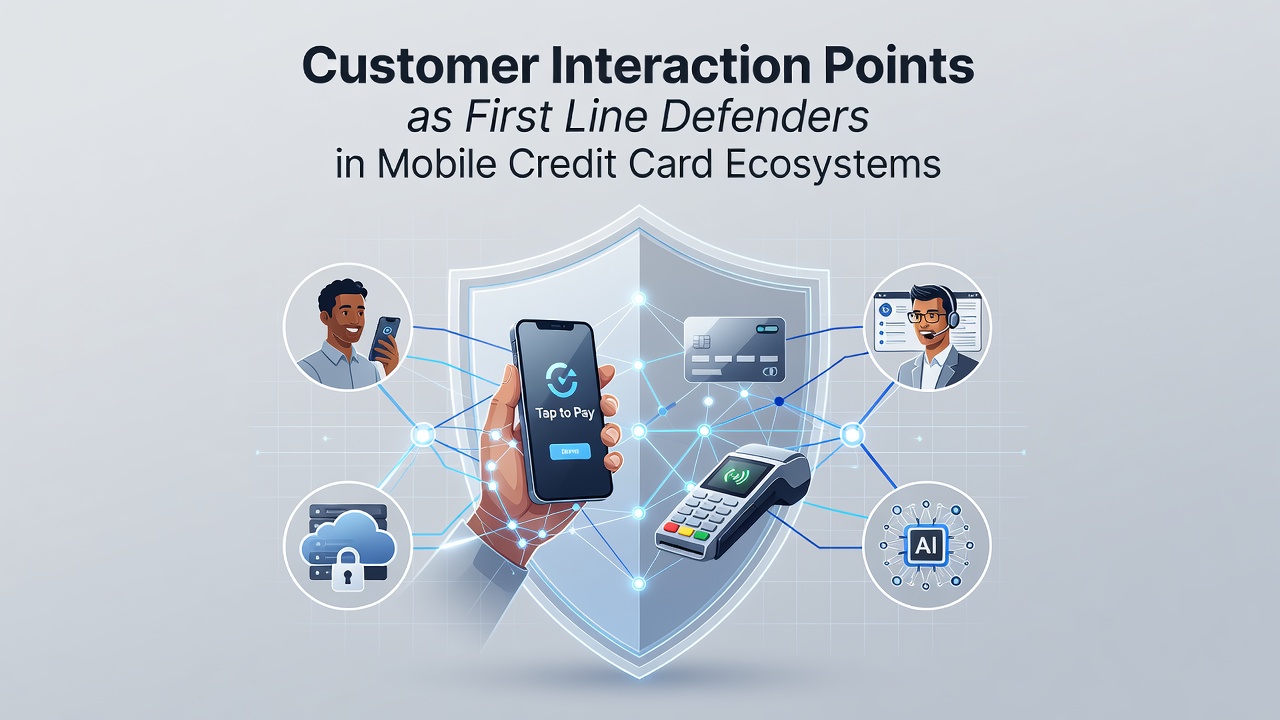
Customer contact points function as the initial layer of protection within mobile credit card systems because they capture real-time signals from users before automated filters complete their analysis. Support channels, in-app messaging, and account portals record behavioral patterns and verbal cues that indicate potential account compromise, while agents cross-reference these details against transaction histories stored in backend databases. Research from payment security consortia shows that early detection at these points reduces successful fraud attempts by flagging anomalies such as sudden address changes or repeated password resets. Data from regulatory filings indicates that mobile credit card issuers process millions of customer inquiries each month, and a measurable portion of those contacts reveal unauthorized activity that has not yet triggered threshold-based alerts. Agents trained in pattern recognition ask targeted questions about recent transactions and device usage, which allows them to document discrepancies that feed directly into fraud case management systems. This documentation process creates an audit trail that links the interaction timestamp with specific account events, enabling faster escalation to investigation teams.Core Functions of Interaction Channels
Telephone support lines, live chat interfaces, and self-service portals each contribute distinct data streams to fraud prevention frameworks. Telephone conversations capture voice stress indicators and inconsistent story elements that text-based channels miss, whereas chat logs preserve exact wording of requests that later prove deceptive. Portal interactions generate metadata on navigation paths, such as repeated attempts to view sensitive account sections, which systems log and compare against established user baselines.
Observers note that integration between these channels and core processing platforms occurs through standardized APIs that transmit flags in near real time. When an agent marks a session as suspicious, the system automatically applies temporary restrictions such as transaction velocity limits or multi-factor authentication prompts on the next login attempt. This seamless handoff prevents further exposure while preserving the customer's ability to complete legitimate purchases once verification succeeds.
Training Protocols and Detection Techniques
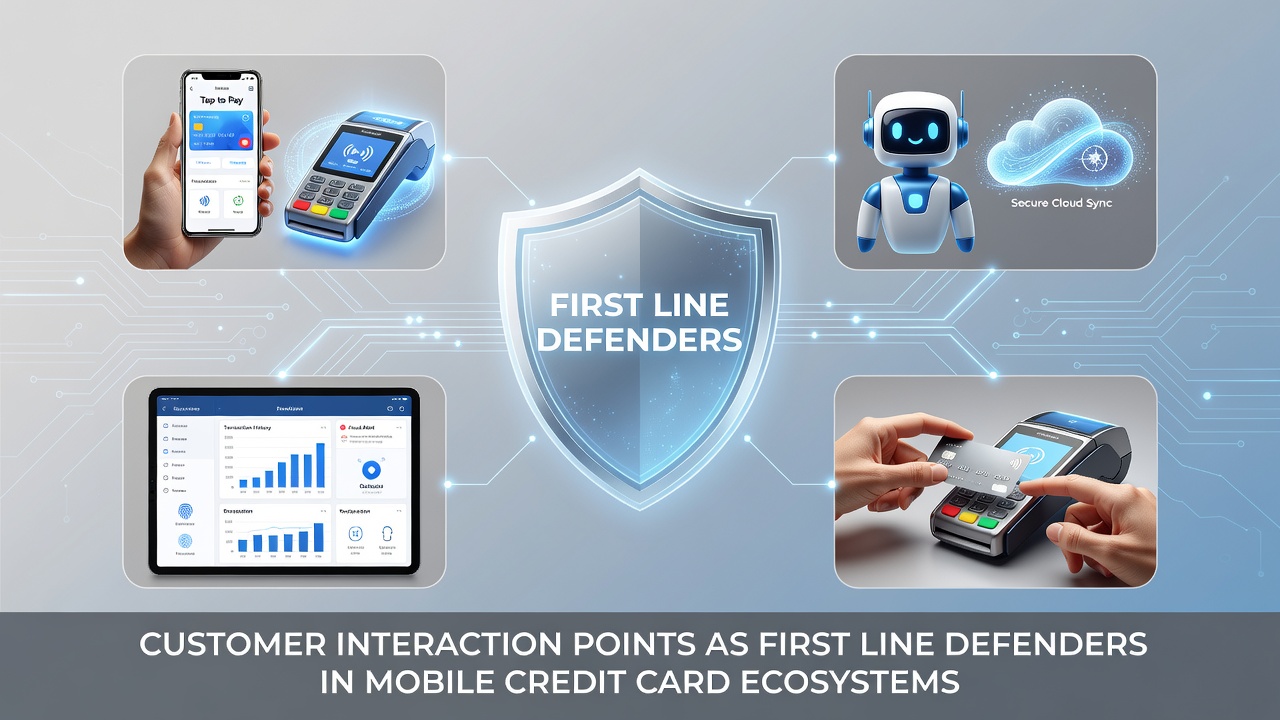
Industry reports describe standardized training modules that equip representatives with checklists for common social engineering tactics, including requests to add new authorized users or to bypass verification steps. These modules incorporate scenario-based simulations drawn from actual incidents reported to financial institutions during 2025 and early 2026. Representatives learn to record precise details such as caller ID anomalies and unusual phrasing without alerting the potential perpetrator, thereby maintaining the interaction long enough to gather evidence.
Studies conducted by academic research groups at European universities have quantified the effectiveness of these techniques, showing that structured questioning increases the likelihood of identifying account takeover attempts by approximately 30 percent compared with unstructured conversations. The same studies highlight that representatives who receive ongoing refresher courses maintain higher accuracy rates when distinguishing between legitimate travel notifications and fraudulent relocation requests.
Coordination with Technical Safeguards
Customer interaction data merges with device fingerprinting and geolocation records to create composite risk scores that update continuously. When a support ticket references a transaction originating from an unrecognized device while the account holder reports being at home, the combined signals trigger automated reviews that would not activate from either source alone. This layered approach aligns with guidelines issued by the Consumer Financial Protection Bureau on safeguarding consumer financial data through multiple verification layers.
Payment processors in the Asia-Pacific region have documented similar outcomes after implementing unified dashboards that display both interaction notes and real-time transaction feeds. The dashboards allow analysts to trace how a single customer conversation led to the reversal of multiple high-value transfers initiated through compromised mobile applications.
Regulatory Context and Reporting Requirements
Financial institutions must report certain fraud events to oversight bodies within specified timeframes, and customer interaction records often supply the initial narrative that satisfies these obligations. The Australian Securities and Investments Commission requires detailed timelines of detection events, many of which originate from support logs rather than algorithmic alerts. These requirements encourage issuers to maintain searchable archives of every contact that involves account security topics.
One study released in August 2026 by a Canadian research consortium examined over 200,000 support interactions across five major issuers and found that 12 percent contained indicators later confirmed as fraud. The analysis underscored the value of preserving interaction metadata alongside transaction records for regulatory compliance and internal model refinement.
Conclusion
Customer contact points continue to supply irreplaceable context that complements automated detection tools in mobile credit card environments. The combination of human observation, structured documentation, and rapid data exchange with processing systems creates a responsive barrier against unauthorized activity. Ongoing refinements to training programs and dashboard interfaces maintain the relevance of these interaction channels as transaction volumes grow and attack methods evolve.