Data Streams and Defense Layers: How Integration Practices Shape Security Outcomes for Mobile Credit Card Transactions
Sofia Schmitz · May 20, 2026
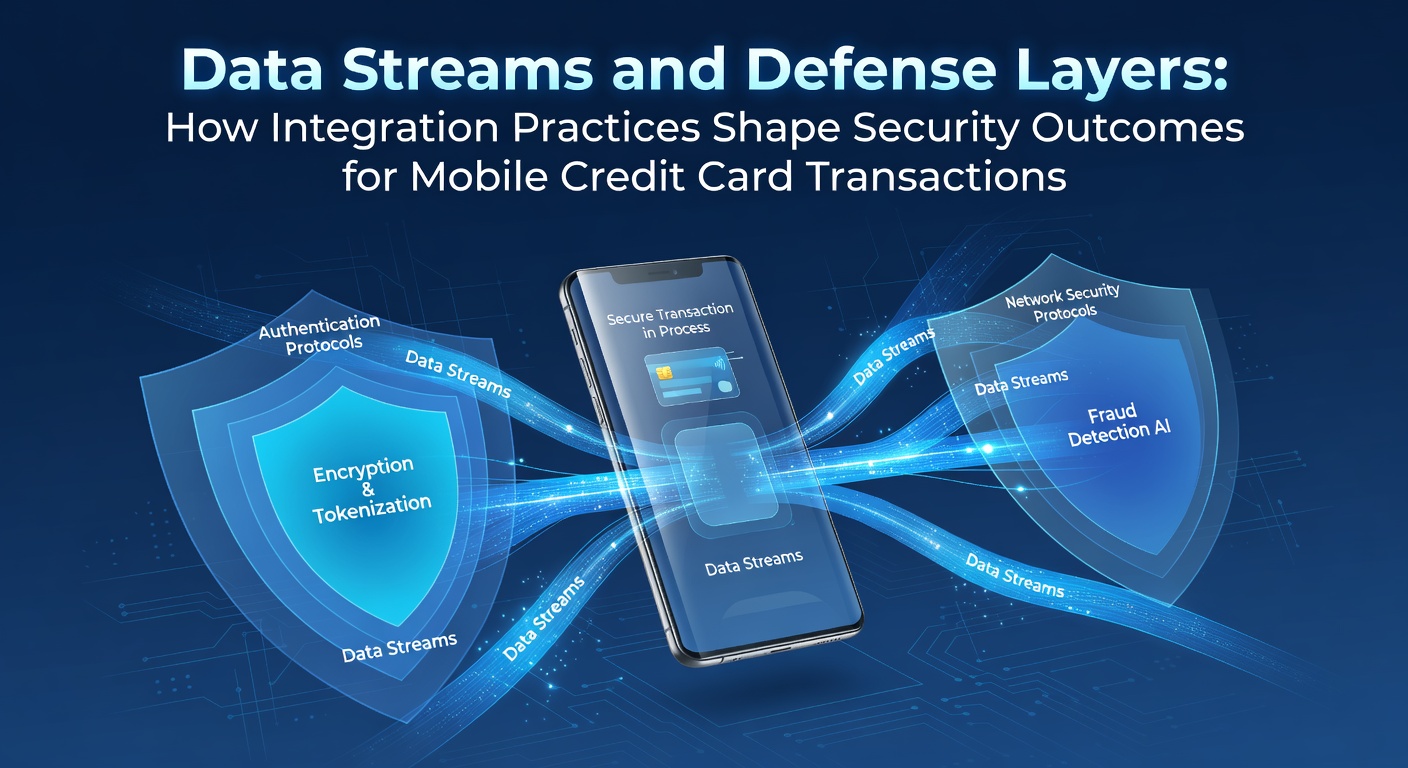
Data Streams and Defense Layers: How Integration Practices Shape Security Outcomes for Mobile Credit Card Transactions
Modern mobile credit card transactions generate continuous data streams that move through multiple checkpoints before authorization completes, and integration practices determine how effectively those streams connect with defense layers at each stage. Observers note that seamless connections between point-of-sale applications, payment processors, and monitoring tools reduce the window for interception while maintaining transaction speed.
Core Components of Data Streams in Mobile Payments
Data streams in this context consist of real-time feeds that include device identifiers, location coordinates, transaction amounts, and card details tokenized at the moment of capture. Researchers at institutions studying digital finance have tracked how these streams accelerate when merchants integrate their apps directly with acquirer systems rather than relying on third-party intermediaries. This direct approach allows defense mechanisms to inspect payloads earlier in the sequence.
Tokenization replaces sensitive card numbers with unique substitutes before data leaves the mobile device, yet the effectiveness of that step depends on how tightly the merchant's software synchronizes with the token service provider. Studies indicate that mismatched timing between token generation and validation creates brief exposures that sophisticated monitoring tools can flag but not always prevent.
Defense Layers and Their Interconnections
Security architectures typically stack several layers that include encryption at rest and in transit, behavioral analytics engines, and velocity checks that compare current activity against historical patterns. When integration practices align these layers into a single pipeline, anomalies surface faster because each component shares context from the preceding step instead of operating in isolation.
One study revealed that organizations maintaining synchronized logs across their fraud detection and gateway systems experienced quicker identification of unusual spending spikes during high-volume periods. The same research highlighted cases where fragmented connections between these systems delayed alerts by several minutes, enough time for multiple fraudulent attempts to process.
Integration Practices That Influence Outcomes
Merchants who embed fraud signals directly into their API calls to processors give defense tools immediate access to device reputation scores and user behavior metrics. This method contrasts with batch uploads that occur after authorization, and data from payment networks shows the former approach correlates with lower chargeback rates over time. In May 2026 several regional processors updated their documentation to emphasize real-time signal sharing as a baseline requirement for new merchant onboarding.
API versioning also plays a role because older endpoints sometimes lack support for newer encryption standards or expanded metadata fields. Teams that schedule regular updates to their integration code maintain compatibility with evolving defense requirements, whereas those who delay updates encounter compatibility gaps that weaken overall protection.
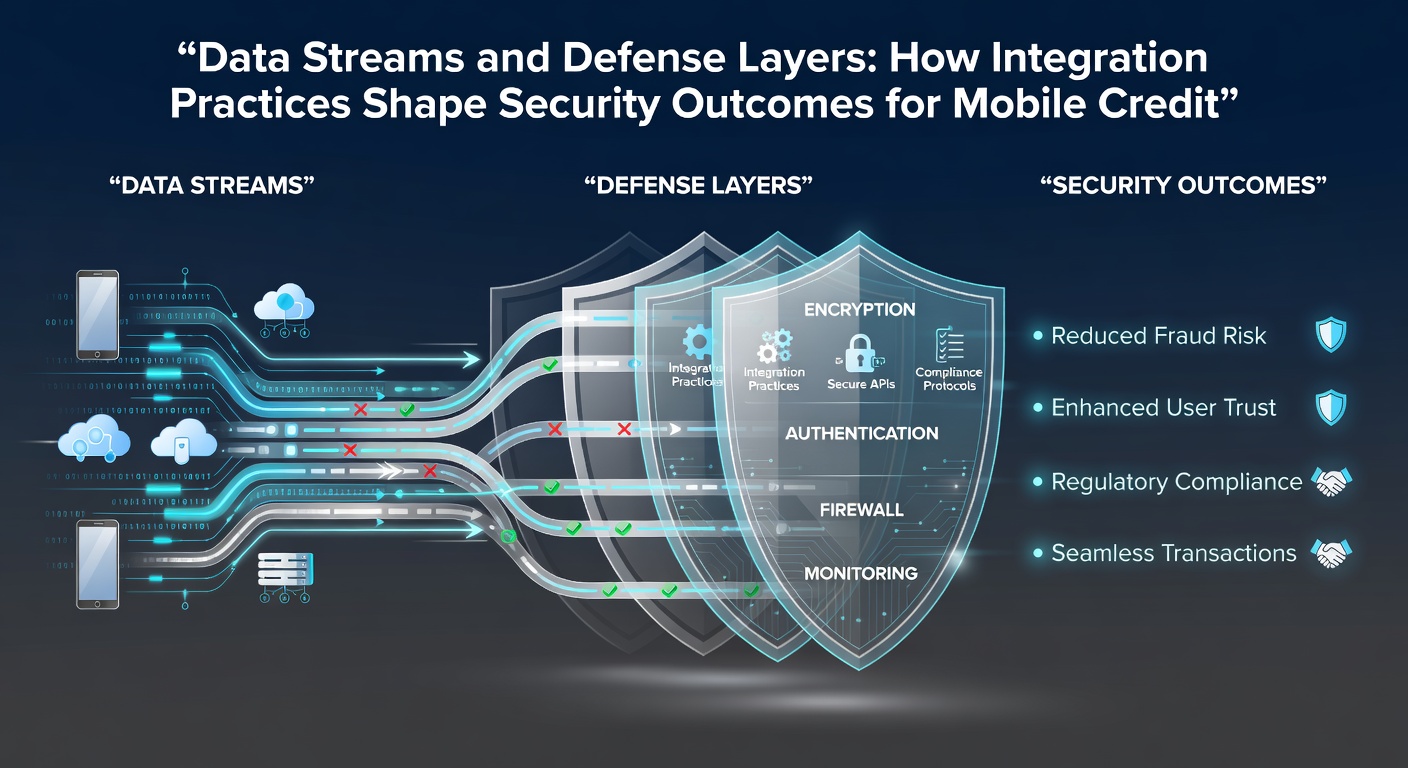
Encryption key rotation schedules represent another integration point where timing matters. When keys refresh according to a coordinated schedule across the mobile app, gateway, and backend database, the risk of key compromise decreases because attackers have less predictable access windows. Reports from industry groups document that coordinated rotation reduced successful decryption incidents in tested environments.
Observed Security Results Across Different Setups
Comparative analyses of merchant platforms reveal measurable differences based on integration depth. Platforms that route every data element through a centralized security orchestration layer report fewer successful account takeover attempts than those using separate, loosely coupled tools. The difference appears most clearly in metrics such as false positive rates for legitimate transactions flagged as suspicious.
Geographic variations also emerge. Payment systems operating under stricter data residency rules in certain jurisdictions require additional integration steps to keep streams within approved boundaries while still feeding global fraud models. These extra steps add complexity yet produce audit trails that satisfy regulatory reviews more readily.
Future Directions for Integration and Defense
Continued refinement of machine learning models depends on consistent, high-quality data streams that arrive without gaps or format inconsistencies. Integration teams that standardize on common schemas for event data enable these models to train on broader datasets and improve detection accuracy across diverse transaction types. Industry observers expect incremental updates to schema standards to continue through late 2026 as more participants adopt unified formats.
Conclusion
Integration practices directly determine how efficiently data streams reach and activate each defense layer during mobile credit card transactions. Organizations that prioritize synchronized connections, timely updates, and standardized data formats achieve stronger alignment between detection tools and actual threat patterns. Continued attention to these practices supports measurable improvements in security outcomes while preserving transaction performance.