Echoes Across Networks: How Workflow Alignments Between Billing Tools and Verification Layers Shape Electronic Exchange Integrity
Tina Ludwig · Aug 2, 2026
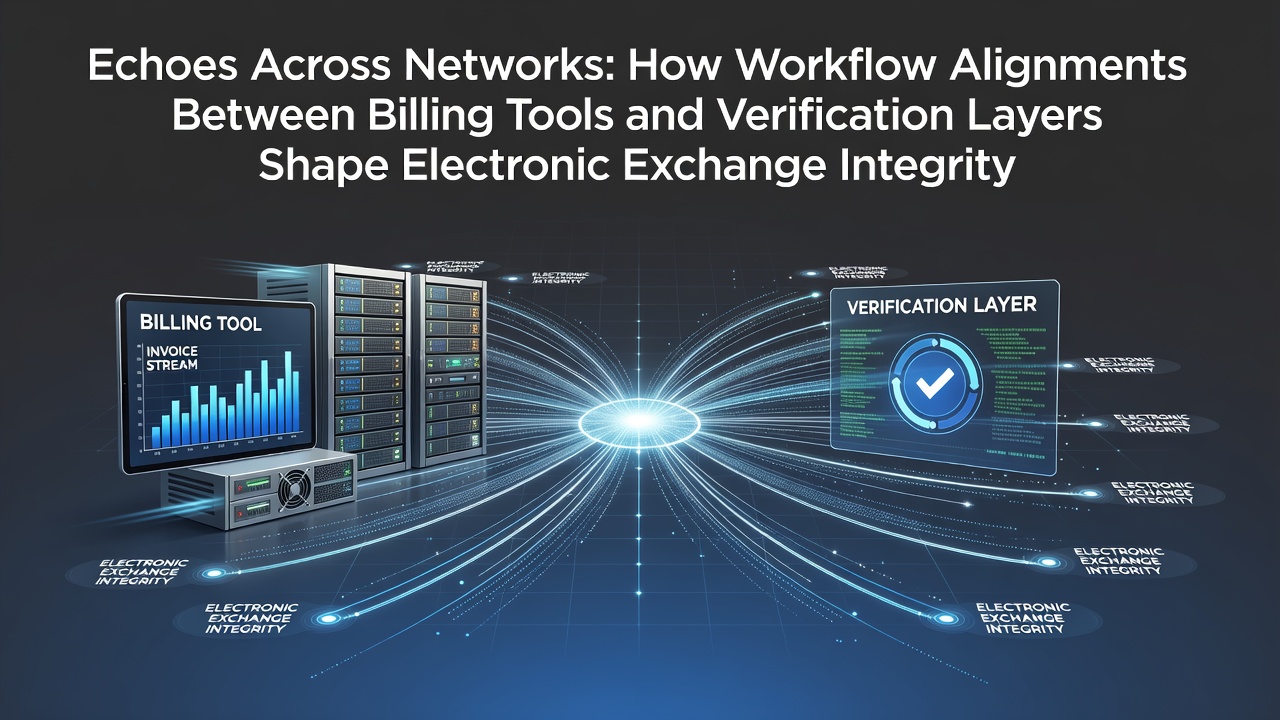
Echoes Across Networks: How Workflow Alignments Between Billing Tools and Verification Layers Shape Electronic Exchange Integrity
Electronic exchanges depend on precise coordination between billing tools and verification layers, and observers note that even minor misalignments can ripple through entire transaction networks. Researchers have documented cases where mismatched data flows between these components led to delayed verifications or incomplete billing records, affecting the overall integrity of digital commerce systems. Data from industry reports shows that organizations investing in workflow synchronization experienced fewer discrepancies in transaction logs during peak processing periods.
Core Components of Billing and Verification Systems
Billing tools handle the calculation, invoicing, and reconciliation of charges while verification layers confirm identities, authorizations, and compliance checks. When these systems operate in isolation, experts observe that errors accumulate across multiple stages of an exchange. Studies from payment infrastructure analyses indicate that integrated workflows reduce the time required for cross-checks by aligning timestamps and data formats at the outset.
One analysis of enterprise payment platforms revealed that teams using synchronized protocols achieved higher rates of successful transaction completions compared to those relying on separate manual reviews. Figures from regulatory filings highlight how consistent data mapping between billing outputs and verification inputs supports audit trails that meet standards set by bodies such as the Monetary Authority of Singapore.
Workflow Alignment Mechanisms
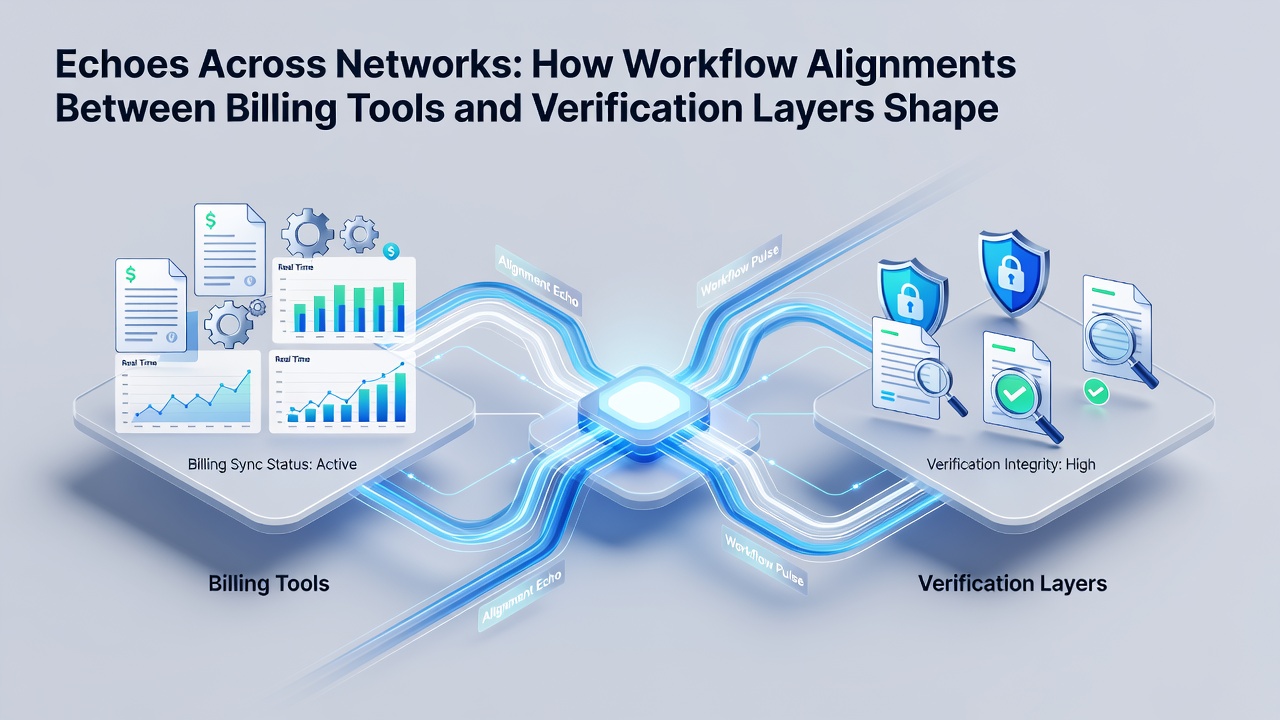
Alignment occurs through shared data schemas, automated handoff protocols, and real-time feedback loops that update both billing records and verification statuses simultaneously. According to research published by academic institutions studying digital transaction security, these mechanisms prevent the duplication of records or the loss of contextual details during high-volume exchanges.
Practitioners report that implementing API-driven connections allows billing tools to query verification results instantly, while verification layers receive updated charge details without separate entry steps. This setup proves especially relevant as new compliance requirements take effect in August 2026 under frameworks from the Australian Competition and Consumer Commission, which emphasize traceable data flows in electronic retail environments.
Effects on Electronic Exchange Integrity
Integrity in electronic exchanges rests on accurate, unaltered transmission of data from initiation through settlement. When billing tools and verification layers share aligned workflows, discrepancies such as mismatched amounts or unverified user credentials occur less frequently, according to aggregated findings from transaction monitoring services. Evidence suggests that organizations maintaining these alignments encounter lower rates of rejected exchanges stemming from internal processing conflicts.
Take one documented implementation at a mid-sized merchant processor where workflow mapping eliminated redundant verification calls; the result was a measurable drop in system latency during batch processing cycles. Researchers discovered similar patterns across multiple sectors, noting that synchronized systems also facilitate quicker identification of anomalies that could indicate external interference.
Practical Implementations and Observed Outcomes
Companies deploying enterprise resource planning integrations with dedicated verification modules have shared details of their approaches in technical white papers. These cases demonstrate how custom middleware bridges gaps between legacy billing applications and modern verification services, producing consistent records that satisfy both internal audits and external regulatory reviews.
Data compiled by the U.S. Federal Trade Commission on digital transaction practices shows that entities with strong alignment practices maintain clearer documentation trails, which assists in resolving disputes over exchange details. Observers further note that such alignments support scalability when transaction volumes increase, as automated checks replace manual interventions that often introduce variability.
Challenges in Achieving Consistent Alignment
Despite the benefits, achieving full workflow alignment requires addressing differences in data standards and update frequencies across tools from various vendors. Industry reports indicate that legacy systems frequently store billing information in formats incompatible with newer verification protocols, necessitating additional transformation layers that can introduce their own points of failure if not managed carefully.
Teams working on these integrations often encounter timing issues where verification approvals arrive after billing cycles have advanced, leading to temporary mismatches. Research from collaborative studies between universities and payment networks outlines mitigation strategies such as event-driven architectures that trigger updates across both systems at the same moment.
Conclusion
Workflow alignments between billing tools and verification layers continue to influence the reliability of electronic exchanges through structured data exchanges and synchronized processing steps. As regulatory expectations evolve by August 2026 and beyond, organizations tracking these alignments report sustained improvements in record accuracy and exchange completion rates. Continued examination of integration practices across regions provides additional insight into maintaining integrity amid expanding digital transaction volumes.