Echoes of Verification: Tracing Protocol Alignments Across Support Channels in Digital Billing Networks
Sofia Schmitz · Jul 31, 2026
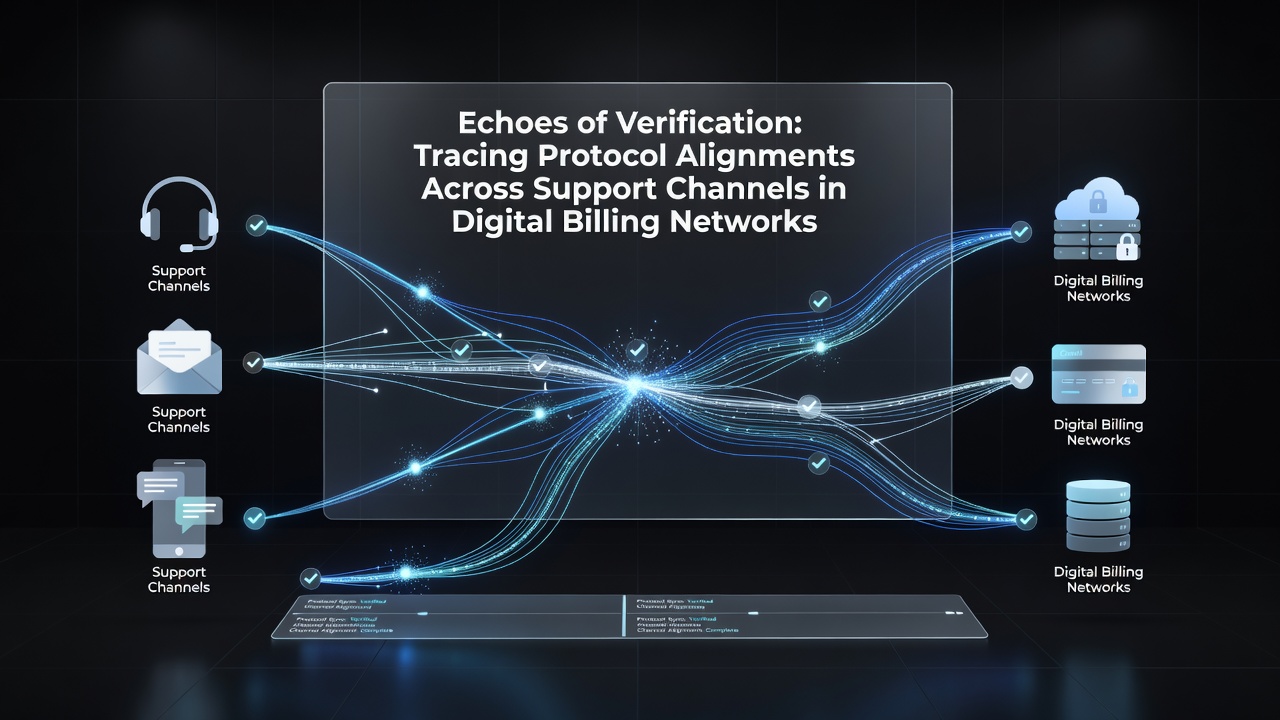
Echoes of Verification: Tracing Protocol Alignments Across Support Channels in Digital Billing Networks
Digital billing networks rely on synchronized verification protocols that connect multiple support channels, and observers note how these alignments help maintain consistency in transaction handling across merchant systems and customer interfaces. Research from payment infrastructure studies shows that protocol alignments reduce discrepancies in data validation steps, particularly when support teams manage queries related to recurring charges or account adjustments.
Core Elements of Protocol Alignment
Support channels in digital billing environments include email ticketing systems, live chat interfaces, automated voice responses, and integrated dashboard tools that pull from central databases, while verification protocols enforce rules for authentication, encryption standards, and record matching. Those who've examined billing workflows find that alignment occurs when each channel applies the same sequence of checks for identity confirmation before any change to billing parameters takes effect. Data indicates that mismatched protocols lead to repeated verification requests, which in turn extend resolution times for account issues.
One study of enterprise billing platforms revealed that organizations implementing unified verification sequences across channels saw measurable drops in duplicate ticket creation rates. Experts tracking these systems point to shared API endpoints as the mechanism that propagates verification status updates in real time, ensuring that a confirmation completed in one channel registers immediately in others.
Support Channel Interactions and Verification Tracing
Tracing verification steps requires logging each protocol checkpoint as it moves through support pathways, and figures from network monitoring tools show that timestamps from initial contact through final confirmation provide the audit trail needed for compliance reviews. In practice, support agents access a centralized verification ledger that records whether a multi-factor check succeeded or required escalation, which prevents situations where one channel accepts a transaction while another flags it for review.
July 2026 updates to digital transaction guidelines from the European Central Bank introduced stricter requirements for cross-channel protocol documentation, and industry reports note that billing networks began rolling out enhanced logging modules to meet these standards by the end of that quarter. These changes emphasize the need for immutable records of protocol handoffs between automated and human-assisted support points.
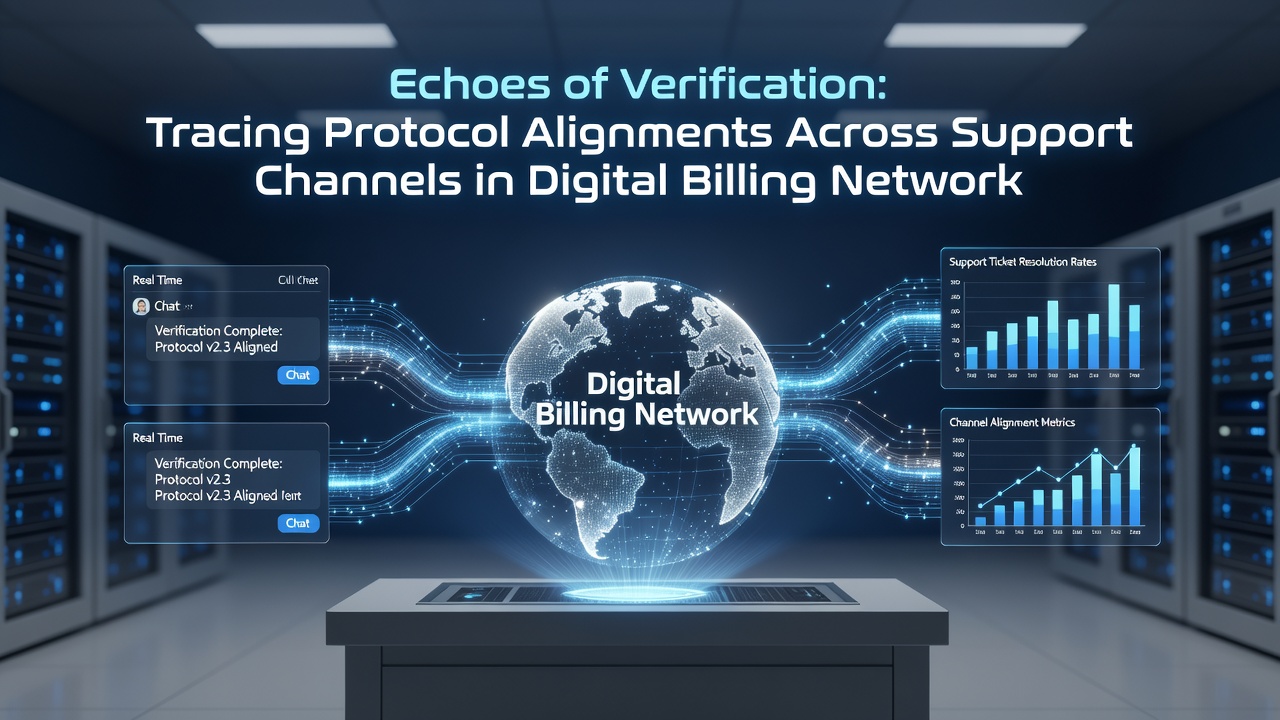
Integration Practices Across Merchant Ecosystems
Merchant account providers integrate verification protocols into their support frameworks by mapping each customer interaction type to specific authentication levels, and analysts observe that this mapping supports faster identification of anomalous billing patterns. When a support request arrives via mobile app, the system applies the same device fingerprinting and token validation used in web portal sessions, which maintains continuity even as customers switch between contact methods.
Academic papers on transaction security highlight cases where billing networks that aligned their protocol sets experienced fewer instances of verification drift, a condition where partial updates leave some channels operating under older rule sets. The reality is that regular synchronization checks, often automated through orchestration layers, keep these alignments intact during system updates or feature rollouts.
Challenges in Maintaining Consistent Verifications
Support teams encounter challenges when legacy channels retain older protocol versions that no longer match newer encryption requirements, and data from platform audits shows that these gaps surface most often during high-volume periods such as subscription renewal cycles. Organizations address this by running compatibility tests that simulate support interactions across all active channels before deploying protocol changes.
What's notable is how tracing tools now incorporate visual mapping features that display protocol status at each support node, allowing administrators to spot misalignments without manual review of log files. Research indicates that networks adopting these tools reduced the average time to detect verification inconsistencies from days to minutes.
Future Directions for Protocol Tracing
Continued development of distributed ledger approaches for verification records offers one path toward stronger alignment guarantees, and preliminary trials reported by research institutions demonstrate that such ledgers can provide tamper-evident histories of protocol application across support channels. Billing networks testing these methods focus on maintaining performance while adding the required traceability layers.
Conclusion
Protocol alignments across support channels in digital billing networks depend on consistent application of verification steps and real-time status sharing, with evidence from multiple monitoring studies confirming that unified approaches support accurate transaction records and efficient issue resolution. As standards evolve, the emphasis remains on traceable, synchronized processes that connect every support interaction to its corresponding verification outcome.