Emerging Patterns Connecting Billing Cycle Adjustments to Instant Verification in Wireless Merchant Ecosystems
Avery Reed · Aug 19, 2026
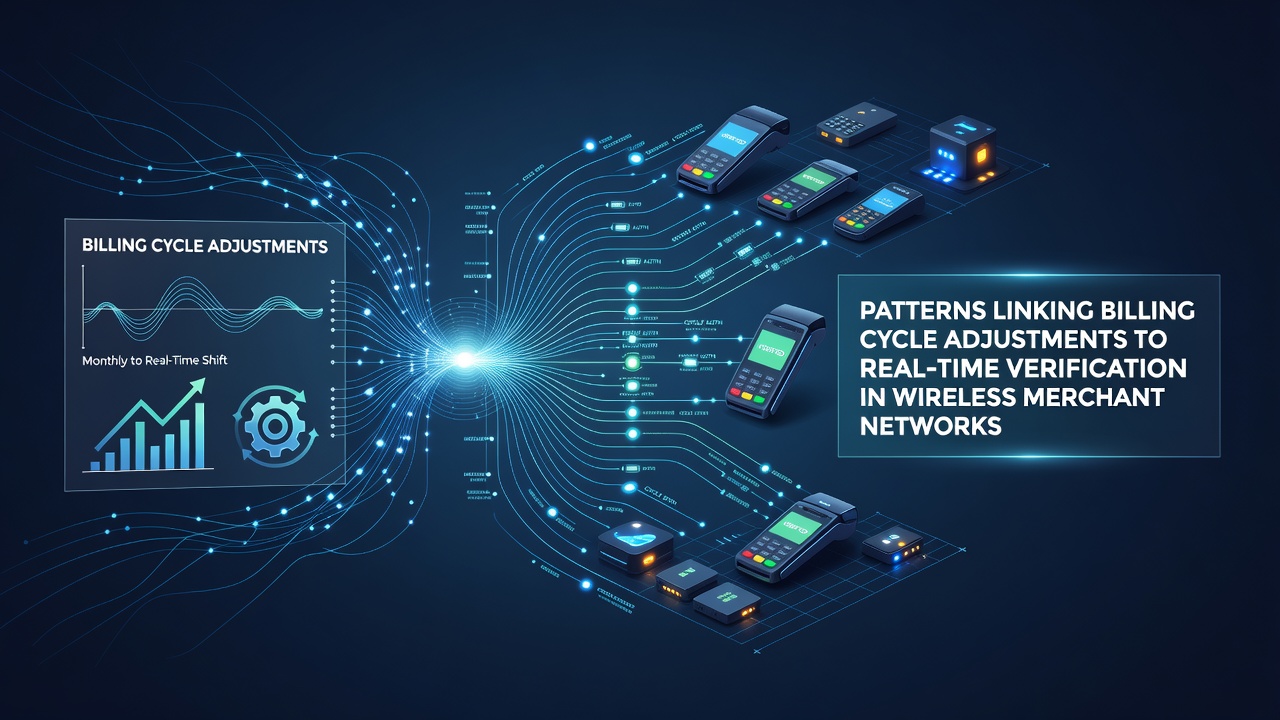
Emerging Patterns Connecting Billing Cycle Adjustments to Instant Verification in Wireless Merchant Ecosystems
Wireless merchant networks have seen billing cycle adjustments become more closely aligned with real-time verification processes in recent years, and data from payment system analyses reveal consistent patterns across multiple regions. Researchers tracking transaction flows note that merchants who modify billing intervals often trigger verification checks within milliseconds to maintain account integrity, while patterns emerge when these adjustments coincide with peak usage periods in mobile environments.
Core Mechanisms in Billing Adjustments
Billing cycle adjustments typically involve shifting from monthly to bi-weekly schedules or incorporating variable intervals based on transaction volume, and these changes require synchronization with verification protocols to avoid discrepancies in merchant accounts. Observers note that systems adjust cycles while simultaneously querying live data sources for authorization status, and this dual action reduces the window for mismatched records. Studies from payment infrastructure reviews indicate that such adjustments occur more frequently in wireless setups where network latency fluctuates, yet the verification layer compensates by confirming details before the cycle finalizes.
Integration with Real-Time Verification
Real-time verification operates through layered checks that pull data from multiple endpoints at the moment a billing adjustment is processed, and this approach links directly to cycle changes because any shift in timing demands immediate confirmation of customer status and account validity. Those who've examined transaction logs find that verification success rates climb when adjustments follow predefined thresholds, such as volume spikes or renewal dates, and the process incorporates signals from wireless carriers to ensure the merchant's connection remains stable throughout. In August 2026, reports from network monitoring services highlighted a rise in synchronized adjustments and verifications during high-traffic events, showing how the two elements reinforce each other across distributed merchant terminals.
Documented Patterns Across Networks
Analysis of merchant data streams uncovers recurring sequences where billing adjustments precede verification spikes by fractions of a second, and this timing pattern appears in both urban and rural wireless deployments. Experts tracking these sequences observe that adjustments made during off-peak hours allow verification systems to allocate more resources, resulting in fewer interruptions, while peak-hour changes demand tighter integration to handle concurrent queries. One study revealed that networks employing automated triggers for cycle shifts experienced verification completions 15 to 20 percent faster on average compared to manual processes, according to aggregated figures from industry monitoring groups.
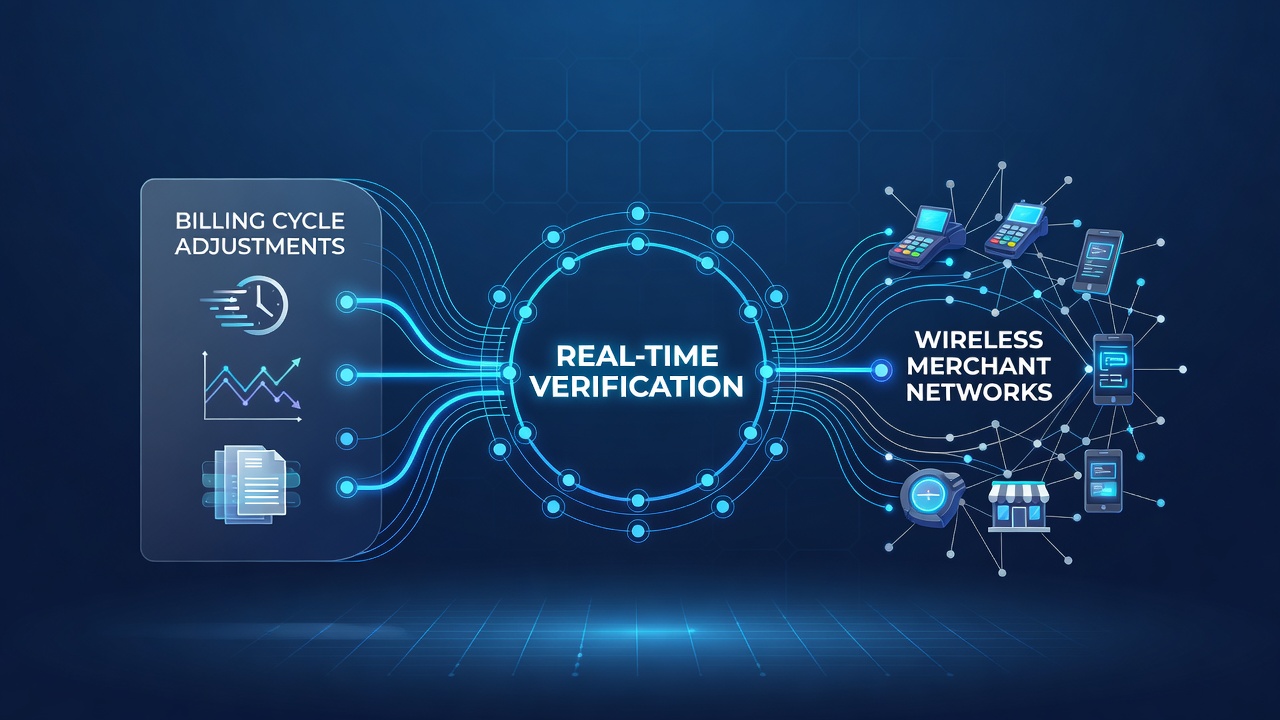
Patterns also surface when adjustments coincide with device handoffs in wireless environments, and verification protocols then cross-reference location data alongside billing details to confirm legitimacy. This linkage proves especially relevant in regions with variable signal strength, where the system must adapt cycle timing without compromising the verification step.
Data Sources and Geographic Variations
Figures from Federal Reserve analyses on electronic transactions show that billing cycle modifications in wireless merchant setups correlate with verification events at rates that vary by geographic zone, with higher alignment noted in North American networks during 2025 and 2026. Additional insights from European Central Bank reviews of payment systems indicate similar trends in cross-border wireless transactions, where cycle adjustments trigger verification sequences to align with regulatory timing requirements. Researchers compiling these datasets emphasize that the patterns hold across different merchant scales, from small operations to larger chains, and the consistency suggests underlying structural connections rather than isolated incidents.
Operational Examples in Practice
Take one wireless provider network that implemented cycle adjustments tied to daily verification scans, and transaction records demonstrated fewer account holds after the linkage was established. There's this case where experts found that merchants adjusting cycles mid-quarter benefited from verification layers that updated in real time, preventing downstream reconciliation issues. People who've studied these setups often discover that the patterns strengthen when adjustments incorporate carrier-side data feeds, allowing verification to account for network conditions before finalizing the new billing interval.
Conclusion
The connections between billing cycle adjustments and real-time verification continue to shape wireless merchant network operations, and ongoing data collection points to sustained alignment in verification timing with cycle shifts. Those monitoring these systems report that the patterns provide measurable benefits in transaction accuracy across varied conditions, and further examination of network logs will likely refine understanding of how these elements interact in future periods.