Harmonizing Authentication Protocols and Administrative Workflows to Improve Digital Commerce Efficiency
Avery Reed · May 31, 2026

Harmonizing Authentication Protocols and Administrative Workflows to Improve Digital Commerce Efficiency
Digital sales channels rely on verification tools that confirm customer identities, transaction legitimacy, and regulatory compliance while administrative processes handle approvals, record keeping, and reporting requirements, and synchronization between these elements creates measurable improvements in processing speed and error reduction across platforms.
Researchers at institutions tracking e-commerce trends note that companies which align identity checks directly with backend workflows see fewer abandoned transactions and faster resolution of compliance queries, since data captured during verification feeds straight into administrative systems without manual reentry or delays.
Core Components of Integrated Systems
Verification tools typically include document scanning, biometric matching, and database cross-references that establish user legitimacy at the point of sale, while administrative processes encompass policy enforcement, audit trails, and interdepartmental coordination that ensure ongoing adherence to standards set by bodies such as the National Institute of Standards and Technology in the United States.
When these layers operate in isolation delays occur because verification results require separate entry into management software, yet coordinated platforms allow real-time updates that trigger automatic workflows like inventory adjustments or risk flagging based on the initial check outcome.
Implementation Approaches Observed in Practice
Organizations achieve synchronization through API connections that pass verified data directly into enterprise resource planning tools, and this setup lets administrative teams access verified customer profiles instantly for tasks such as dispute resolution or periodic reporting.
One documented case involved a retail network that linked its customer onboarding verification module to its order management system, resulting in administrative staff spending less time on data reconciliation and more on exception handling according to internal metrics shared in industry reports.
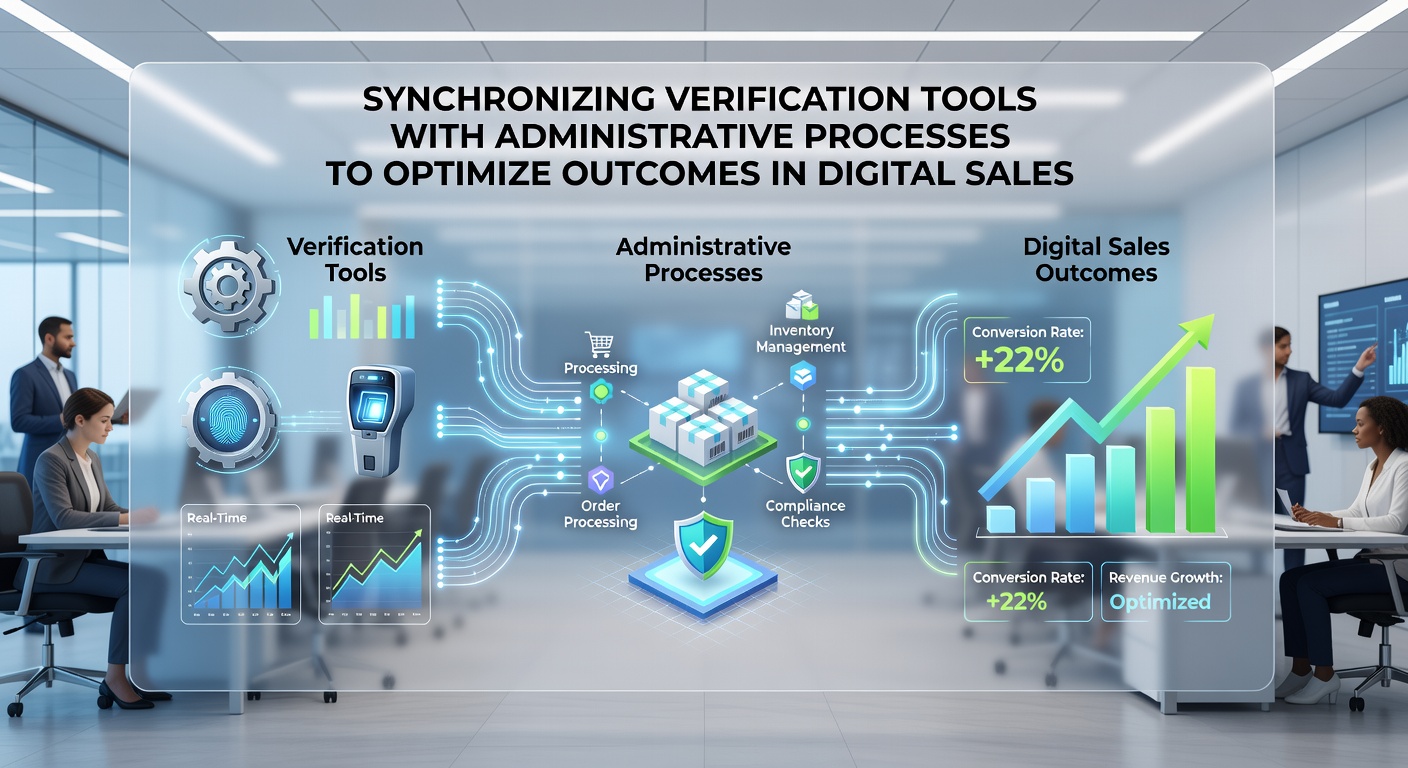
Additional methods include rule-based automation where verification outcomes determine the next administrative step without human intervention, such as routing high-value orders to manual review queues while standard transactions proceed through fulfillment pipelines.
Data Handling and Regulatory Alignment
Standards from the European Commission's eIDAS framework guide many cross-border digital sales operations by specifying how electronic identification and trust services must interface with internal compliance records, and synchronized systems help meet these requirements by maintaining consistent data lineage from verification through to audit logs.
Figures from Canadian digital economy assessments indicate that integrated verification and administration setups correlate with higher rates of successful transaction completion in regulated sectors, because discrepancies surface earlier in the process rather than during later reviews.
Observed Outcomes Across Channels
Retailers and service providers report that synchronized environments support scalable growth in digital sales volumes without proportional increases in administrative overhead, since verification events populate multiple downstream records simultaneously and reduce duplicate effort.
During periods of regulatory updates, such as those anticipated in May 2026 around enhanced digital identity requirements, platforms with pre-aligned systems adapt verification outputs to new administrative reporting formats more readily than those relying on disconnected tools.
Trade associations monitoring online commerce note that businesses maintaining tight connections between these functions also demonstrate stronger performance in metrics like order accuracy and customer retention data, because verified information supports precise personalization within administrative customer relationship modules.
Conclusion
Synchronization of verification tools with administrative processes produces operational efficiencies in digital sales channels through direct data pathways, automated triggers, and unified record management that align with evolving regulatory expectations from multiple jurisdictions, and organizations continue to refine these connections as transaction volumes expand and compliance demands intensify.