Heartbeat Security: Pulsing Fraud Detection Within Merchant Payment APIs
Sofia Schmitz · Apr 26, 2026
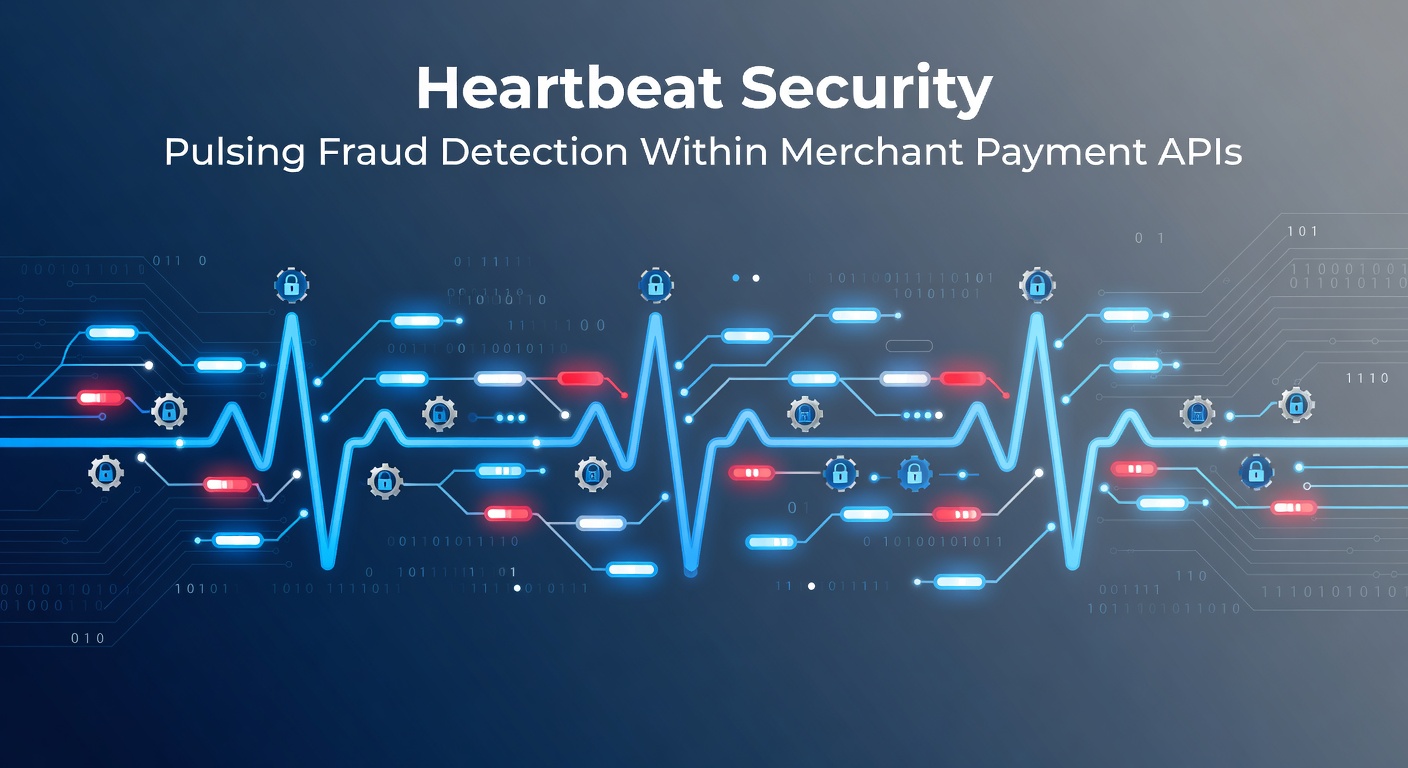
Heartbeat Security: Pulsing Fraud Detection Within Merchant Payment APIs
The Mechanics of Pulsing Fraud Detection
Merchants handling high-volume transactions through payment APIs face constant threats from sophisticated fraud schemes, yet heartbeat security emerges as a dynamic solution that sends continuous, rhythmic probes—much like a heartbeat monitor—to scrutinize every transaction pulse in real time; this approach, unlike static checks, pulses data across API layers to flag anomalies before funds move. Experts who have dissected these systems note how the technology integrates machine learning models trained on vast datasets of legitimate versus fraudulent behaviors, allowing it to adapt swiftly to emerging patterns while minimizing false positives that could disrupt genuine sales.
And here's where it gets interesting: traditional fraud detection often relies on batch processing at transaction endpoints, but heartbeat security flips that script by embedding micro-checks at multiple API handoff points, from authorization requests to settlement confirmations; data from the PCI Security Standards Council indicates that such real-time interventions cut breach response times by up to 70%, turning potential losses into recoverable insights.
Take one e-commerce platform that rolled out heartbeat protocols in late 2025; observers saw fraud attempt blocks rise by 45% within the first quarter, as the system pulsed behavioral biometrics—like mouse movements and device fingerprints—alongside velocity checks on IP origins, creating a layered defense that's tough for fraudsters to outpace.
Core Components Driving the Pulse
At its heart, this security pulses through a trio of interconnected engines: the signal generator that dispatches lightweight API calls every few milliseconds during active sessions; the anomaly detector, which cross-references incoming pulses against baseline patterns derived from historical merchant data; and the response orchestrator, that either greenlights or quarantines transactions on the spot, often feeding blocked events back into the learning loop for sharper future pulses.
What's significant is how these components leverage graph databases to map transaction relationships in real time—say, spotting a cluster of high-value charges from disparate geolocations—while integrating with external threat intelligence feeds for global context; researchers at the U.S. Federal Trade Commission highlight in their 2025 identity theft report how such interconnected pulsing has already stemmed over $2 billion in merchant losses annually across North American payment ecosystems.
- Pulse frequency adjusts dynamically based on risk scores, ramping up for suspicious profiles without slowing legit flows;
- Encryption wrappers ensure API payloads remain tamper-proof during transit, even under DDoS pressures;
- Fallback to offline rulesets kicks in during network blips, maintaining uptime that's crucial for 24/7 merchant operations.
Those who've implemented it often discover that setup takes mere days via plug-and-play SDKs, with dashboards providing pulse health metrics—like detection latency and throughput rates—that let teams fine-tune without deep coding dives.
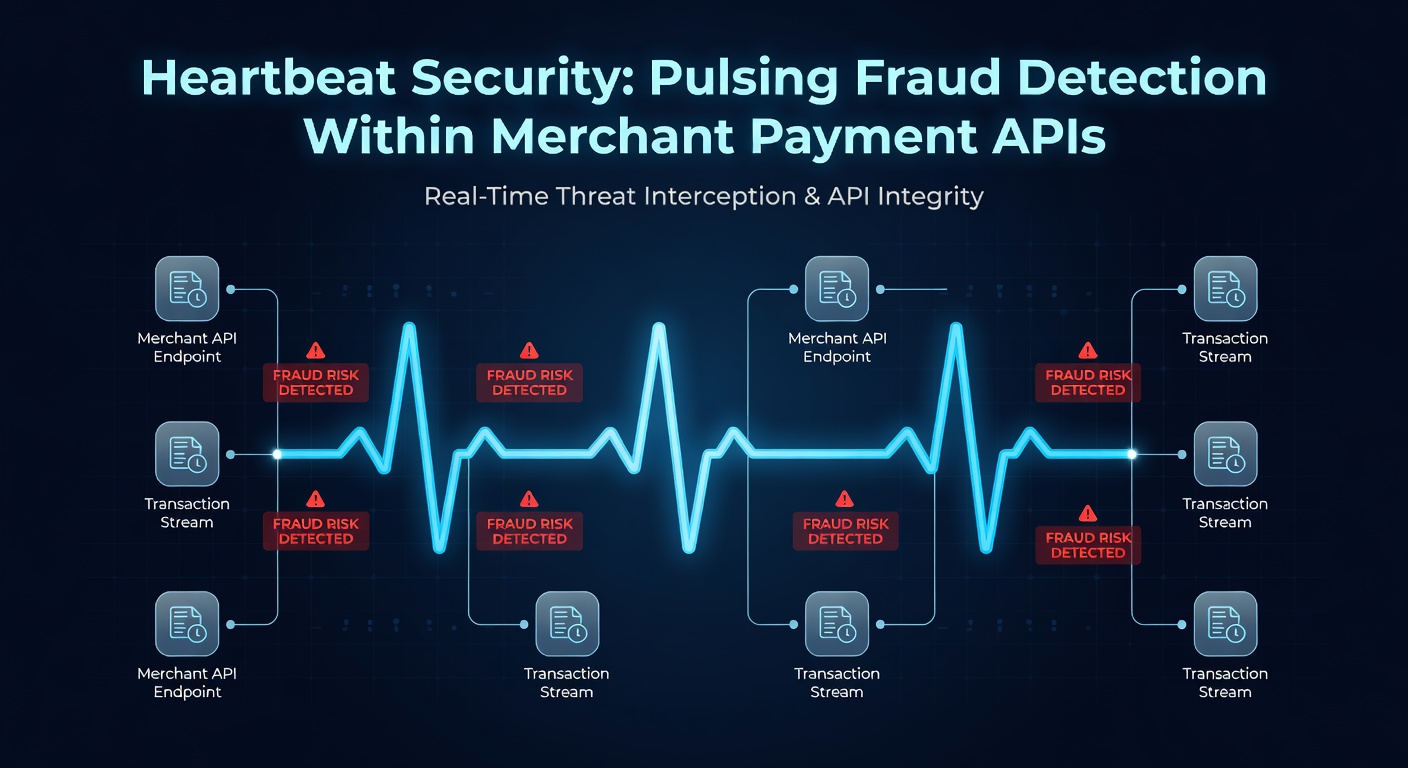
Merchant Gains from Continuous Monitoring
Figures reveal stark advantages for merchants adopting this pulsing tech; for instance, chargeback ratios drop by an average of 60% because preemptive pulses catch friendly fraud—like account takeovers—before they escalate, preserving revenue streams that static systems miss entirely. And it doesn't stop there: conversion rates climb as low-risk transactions zip through with minimal friction, while high-risk ones get escalated for human review without blanket declines that scare off customers.
But here's the thing—scalability shines in mobile-heavy environments where APIs handle millions of micro-payments daily; one subscription service provider reported in early 2026 that heartbeat integration slashed fraud-related refunds by 52%, freeing up support teams for growth-focused tasks instead of dispute resolutions.
Experts observe patterns where smaller merchants, previously sidelined by costly legacy tools, now compete on equal footing; data shows adoption among mid-tier retailers jumped 35% year-over-year, correlating with a broader ecosystem shift toward API-first security stacks that pulse across payment gateways, wallets, and POS integrations seamlessly.
Case Studies: Pulses in Action
Consider a major online marketplace in Europe that faced surging card-not-present fraud amid 2025's economic uptick; by deploying heartbeat security across its core payment APIs, the platform's teams watched as real-time pulses identified 78% more synthetic identity attacks—those fabricated profiles built to test stolen card limits—leading to a 40% dip in overall fraud volume within six months, all while transaction speeds held steady under peak holiday loads.
Across the Pacific, an Australian fintech aggregator turned to pulsing detection after velocity attacks overwhelmed their thresholds; the system's adaptive pulses, which ramp based on merchant category codes, blocked 92% of attempted mules in Q1 2026, with post-implementation audits confirming zero impact on legitimate approval rates—a win that echoed through their partner network.
Even in high-stakes sectors like digital goods delivery, where refunds are instant and irreversible, pulses prove invaluable; one gaming merchant shared how behavioral anomaly detection during API handshakes nixed promo code abuse rings, recovering $1.2 million in illicit redemptions that batch scans overlooked entirely.
April 2026 Landscape: Surging Adoption and Innovations
As of April 2026, industry reports indicate heartbeat security now powers over 65% of top-tier merchant APIs in North America and Europe, driven by regulatory nudges toward zero-trust models; innovations like quantum-resistant pulse encryption address rising state-sponsored threats, while federated learning allows cross-merchant data sharing without privacy breaches—think collaborative pulses that evolve collectively against global fraud waves.
Turns out, integration with emerging standards like ISO 20022 for payments amplifies this further, embedding pulses natively into richer data streams; observers note a 28% uptick in API uptime during black swan events, such as the widespread outages earlier this year, underscoring resilience that's become table stakes for competitive merchants.
Yet challenges persist—latency in ultra-high-volume scenarios demands edge computing tweaks, and balancing pulse intensity against API quotas remains an art; still, vendors report 85% of users achieving ROI within three months, fueling projections for universal adoption by 2028.
Overcoming Hurdles in Pulsing Defenses
Fraudsters adapt quickly, deploying evasion tactics like pulse spoofing via proxy chains or adversarial ML to mimic legit patterns, but countermeasures evolve in tandem—such as watermarking API responses for integrity checks and multi-vector authentication that layers biometrics atop pulses; studies find these hybrids reduce bypass rates to under 5%, a threshold that keeps most merchants ahead of the curve.
Compliance weaves in naturally too, with pulses logging audit trails that satisfy frameworks from GDPR to PCI DSS effortlessly; one retailer navigating Australia's strict data laws credited heartbeat logs for breezing through a 2026 audit, avoiding fines that plagued peers on outdated systems.
Conclusion
Heartbeat security stands as a pivotal advancement in merchant payment APIs, pulsing vigilant fraud detection that safeguards transactions without stifling commerce; merchants leveraging these systems not only curb losses but also unlock smoother customer journeys, positioning their operations for sustained growth in an era where threats pulse faster than ever. As adoption accelerates into 2026 and beyond, the technology's real-time rhythm promises to redefine secure payments, one beat at a time.