How Unified Frameworks Bridge Merchant Tools and Detection Methods in Credit Transactions
Henrik Fischer · Jul 22, 2026
How Unified Frameworks Bridge Merchant Tools and Detection Methods in Credit Transactions
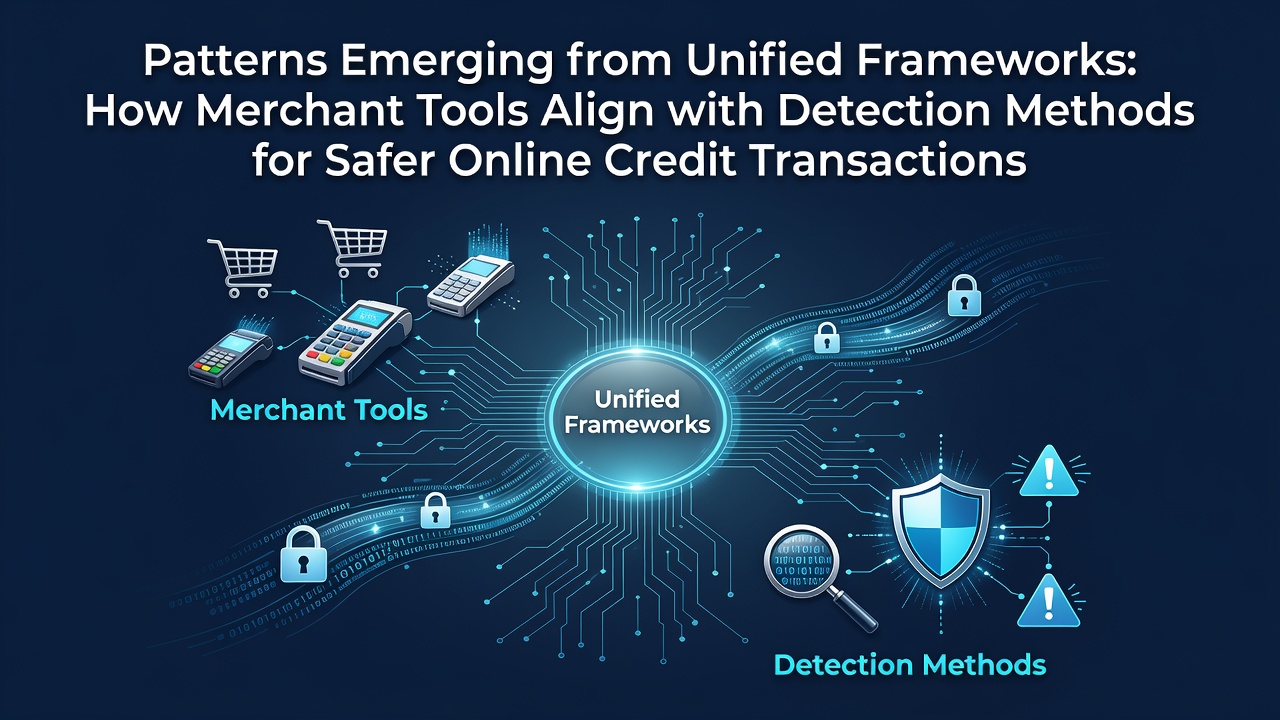
Unified frameworks in online credit transactions combine merchant tools such as inventory management systems, customer relationship platforms, and transaction processors with layered detection methods that identify anomalies in real time. These structures emerged as payment networks expanded and data volumes grew, creating shared protocols that allow tools to exchange signals with detection engines without requiring separate logins or manual data transfers.
Core Components of Unified Frameworks
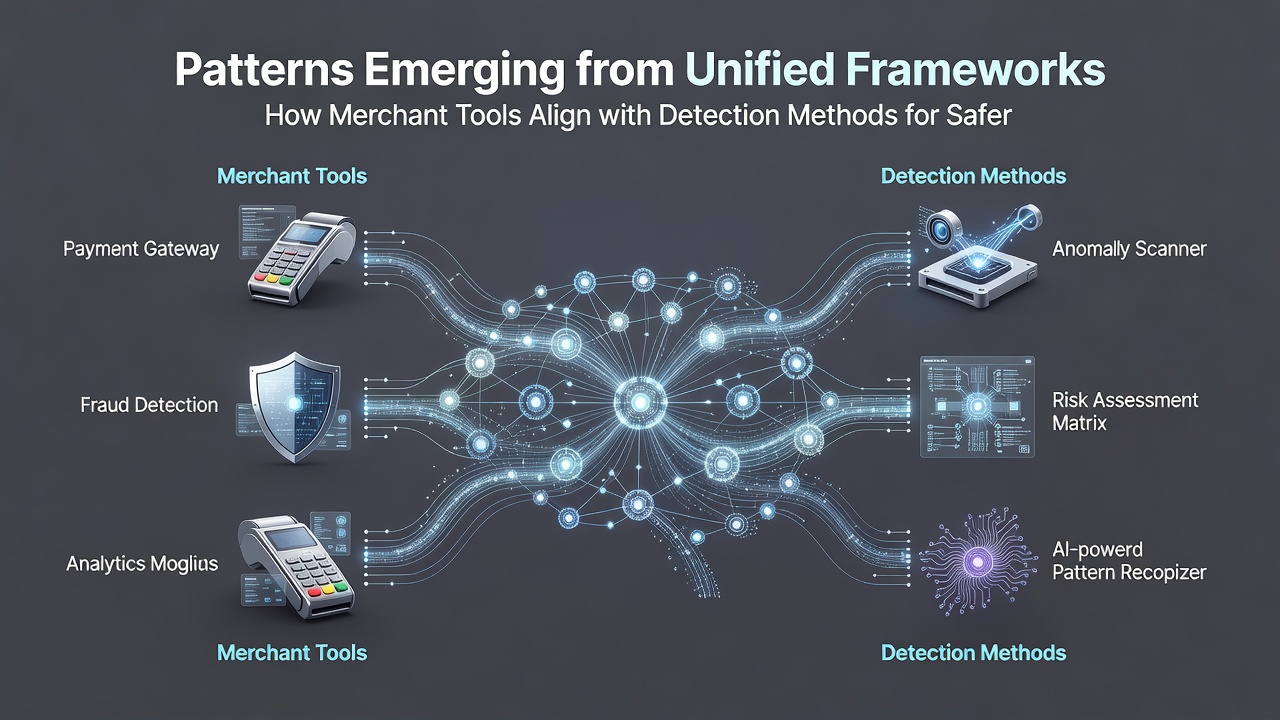
Merchant tools feed transaction details into centralized dashboards where detection algorithms analyze velocity, location, device fingerprints, and historical patterns simultaneously. According to the National Institute of Standards and Technology cybersecurity framework, such integration reduces latency between data capture and risk scoring. Detection methods rely on machine learning models trained on labeled datasets that flag deviations, while merchant tools receive immediate feedback to adjust authorization thresholds or trigger additional verification steps.
Researchers at several European institutions documented how standardized APIs enable this alignment across different payment processors. When a merchant tool updates an order status, the framework routes that metadata to the detection layer, which cross-references it against known fraud indicators before the transaction completes. This bidirectional flow prevents isolated silos that previously allowed fraudulent activity to slip through gaps in communication.
Alignment Patterns Observed in Practice
Patterns show that successful frameworks standardize data formats so merchant tools can push fields like shipping address changes or repeated failed attempts directly into detection models. One study from a Canadian research consortium found that organizations adopting these common schemas recorded fewer chargebacks after implementation. The models then return risk scores that merchant tools use to decide whether to hold funds, request additional authentication, or proceed with capture.
By July 2026, several industry reports projected wider adoption of these frameworks as regulatory bodies in multiple regions began requiring evidence of integrated controls for high-volume merchants. Detection methods gained accuracy when merchant tools supplied contextual signals such as customer loyalty tier or prior refund frequency, while the tools themselves benefited from reduced manual reviews because the detection layer handled routine screening.
Data Exchange Mechanisms and Security Outcomes
Frameworks use encrypted channels and tokenization so sensitive card details never move between systems unnecessarily. PCI Security Standards Council guidelines emphasize token references instead of raw numbers, allowing detection engines to score risk without accessing full cardholder data. Merchant tools receive only actionable outputs, such as approve, decline, or review, which keeps the process efficient while maintaining compliance.
Observers note that organizations implementing unified approaches saw improvements in both speed and accuracy of fraud detection. When a transaction originates from a new device, the merchant tool can instantly query the detection layer for historical matches, and the detection layer can request additional context from the merchant side if patterns suggest elevated risk. This closed loop minimizes false positives that frustrate legitimate customers.
Case Examples from Deployed Systems
Take one mid-sized retailer that connected its order management platform to a shared detection service; the integration allowed real-time updates on inventory holds to influence risk scoring when multiple high-value items appeared in quick succession. Another deployment involved a subscription service linking renewal schedules directly to behavior models, enabling earlier identification of account takeover attempts.
Academic papers from Australian universities examined how these connections affect overall transaction success rates. Their findings indicated that frameworks supporting continuous feedback between merchant tools and detection methods produced measurable reductions in unauthorized transactions across tested datasets. The patterns held across different merchant sizes and transaction types.
Conclusion
Unified frameworks continue to evolve as merchant tools incorporate more contextual signals and detection methods refine their models with broader datasets. The alignment between these elements produces consistent security gains by enabling faster, more accurate responses to potential threats in online credit transactions. Ongoing standardization efforts across regions support further integration without introducing new points of failure.