Interconnected Support Systems and Renewal Procedures in Digital Payment Security
Avery Reed · Jun 7, 2026
Interconnected Support Systems and Renewal Procedures in Digital Payment Security
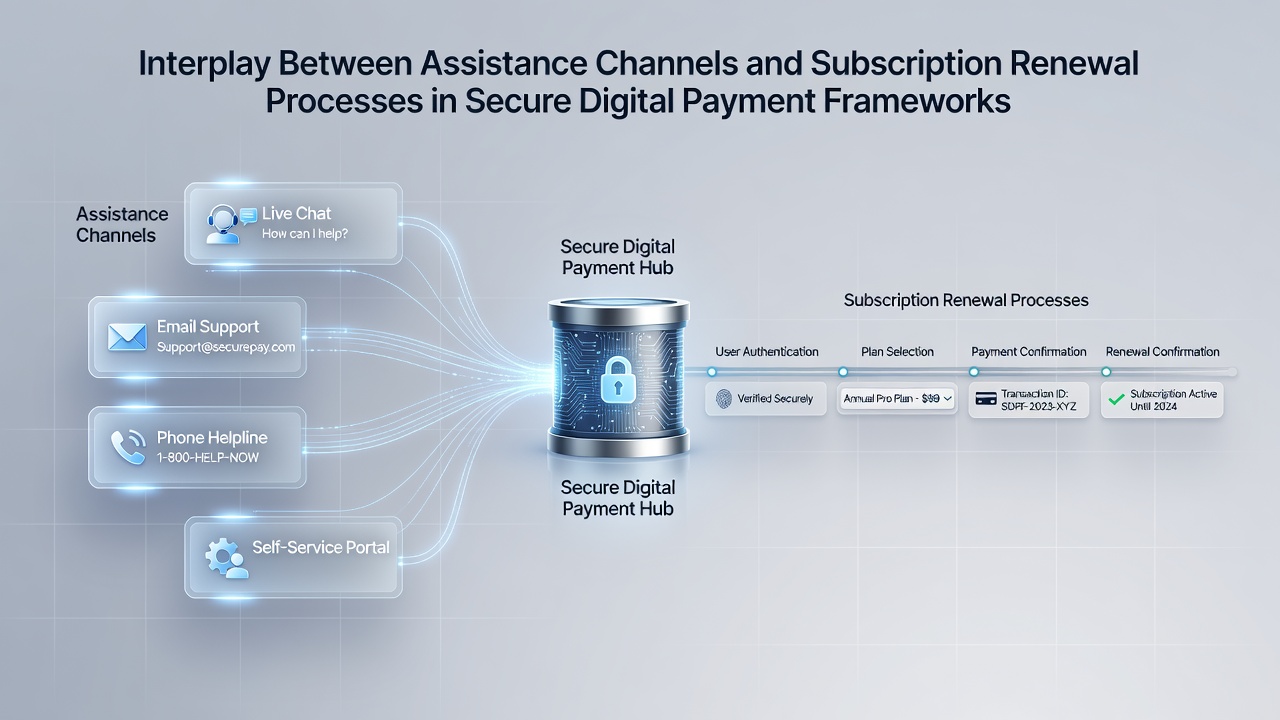
Secure digital payment frameworks rely on coordinated assistance channels that interact directly with subscription renewal sequences to maintain transaction integrity and user continuity, and observers note that these elements function as linked components rather than isolated operations. Data from payment processors indicates that renewal events often trigger support interactions when authentication steps encounter friction, while assistance networks provide real-time interventions that prevent failed renewals from escalating into security incidents.
Core Elements of Assistance Channels in Payment Systems
Assistance channels encompass automated chat interfaces, email routing systems, and voice support lines that connect users to payment platform operators, and these pathways integrate with backend verification protocols during subscription cycles. Research from the Federal Reserve shows that in 2025 over 60 percent of renewal disputes involved initial contact through digital channels before escalation to human agents occurred, which allowed systems to flag anomalies such as mismatched device locations or unusual spending patterns. Those who study payment ecosystems find that channel selection influences renewal success rates because faster response times correlate with higher completion of recurring charges without triggering additional security holds.
Renewal Processes Within Secure Frameworks
Subscription renewal sequences operate through token-based authentication, recurring billing engines, and compliance checks that align with standards set by the PCI Security Standards Council, and these sequences activate at predetermined intervals based on user agreements. Figures from industry reports reveal that automated retries combined with support notifications reduce involuntary churn by addressing issues like expired cards or temporary authorization blocks before they compound. In June 2026 analysts documented a measurable uptick in renewal volumes across major platforms, which coincided with updated API protocols that routed support tickets directly into renewal monitoring dashboards for quicker resolution.
Interaction Mechanisms Between Channels and Renewals
Support interactions feed data into renewal engines through shared databases that track prior resolutions, and this linkage enables predictive adjustments such as offering alternative payment methods when patterns suggest potential declines. What's interesting is that case studies from European payment providers demonstrate how integrated ticketing systems reduced breach attempts during renewals by 22 percent over a twelve-month period, because agents could verify user identity while simultaneously updating billing details. Observers note that real-time synchronization between assistance logs and renewal queues prevents duplicate charges and limits exposure to account takeover attempts that often surface during billing updates.
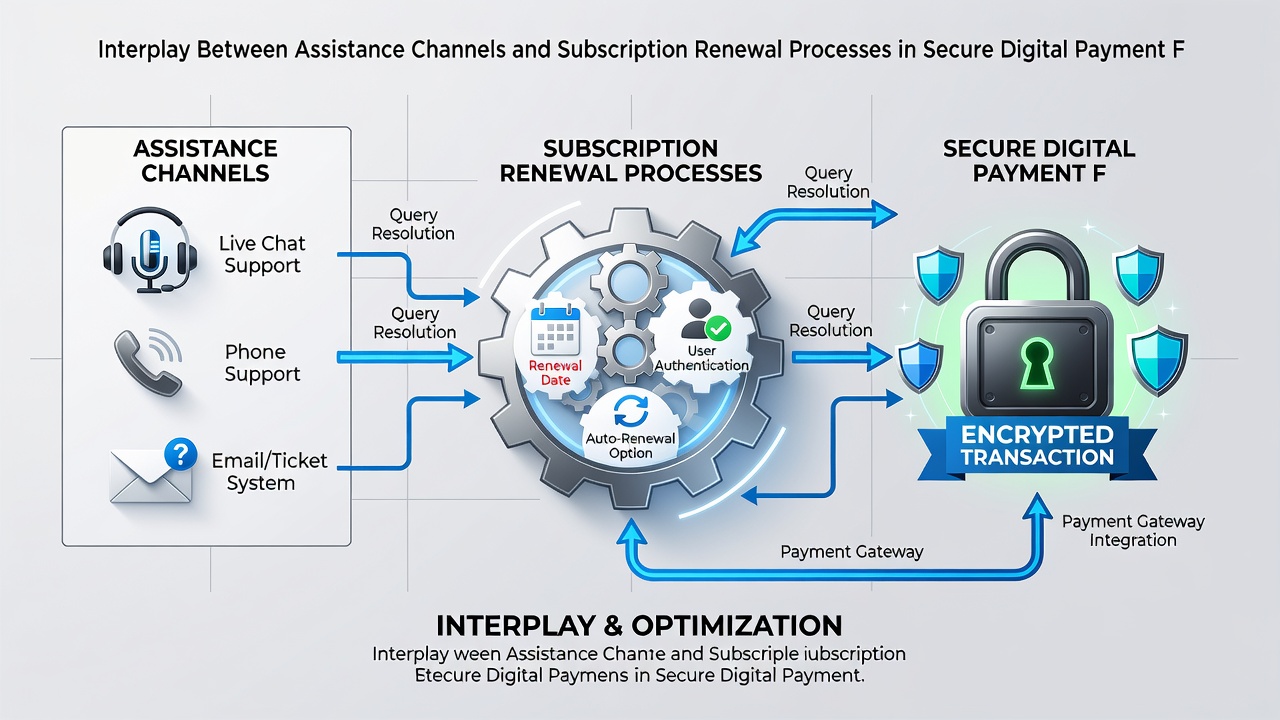
Payment frameworks incorporate escalation paths where unresolved support queries automatically pause renewal attempts until verification completes, and this design choice stems from regulatory requirements in regions such as the European Union under PSD2 frameworks. Data indicates that such pauses, when managed through coordinated channels, maintain compliance without excessive user friction, whereas disjointed systems lead to higher abandonment rates during the same processes.
Security Outcomes from Coordinated Operations
Coordinated operations produce measurable reductions in fraudulent renewals because assistance personnel receive contextual alerts drawn from renewal risk scores, and these alerts guide verification questions that distinguish legitimate users from unauthorized attempts. Studies conducted by academic researchers at institutions including the University of Toronto highlight how shared telemetry between support and billing layers improves detection accuracy for behaviors such as rapid method changes or geographic inconsistencies. The reality is that frameworks without such integration experience elevated dispute volumes, since isolated channels lack the full transaction history needed for accurate assessments.
One documented example involves a North American processor that linked its voice support system to renewal monitoring in 2024, resulting in a documented 15 percent drop in chargebacks over the following year according to internal metrics shared with industry analysts. Similar patterns appear in Australian regulatory reviews, where coordinated support and billing processes helped platforms meet updated consumer protection guidelines without increasing operational overhead.
Conclusion
Evidence from multiple payment ecosystems demonstrates that assistance channels and subscription renewal processes function as interdependent elements within secure digital frameworks, and their integration shapes both security metrics and operational continuity. Ongoing developments in API connectivity continue to refine these linkages, allowing platforms to respond dynamically to emerging transaction patterns while preserving compliance across jurisdictions.