Interdependencies in Action: Assistance Channels Meeting Defense Needs in Wireless Billing
Tina Ludwig · Jul 29, 2026
Interdependencies in Action: Assistance Channels Meeting Defense Needs in Wireless Billing
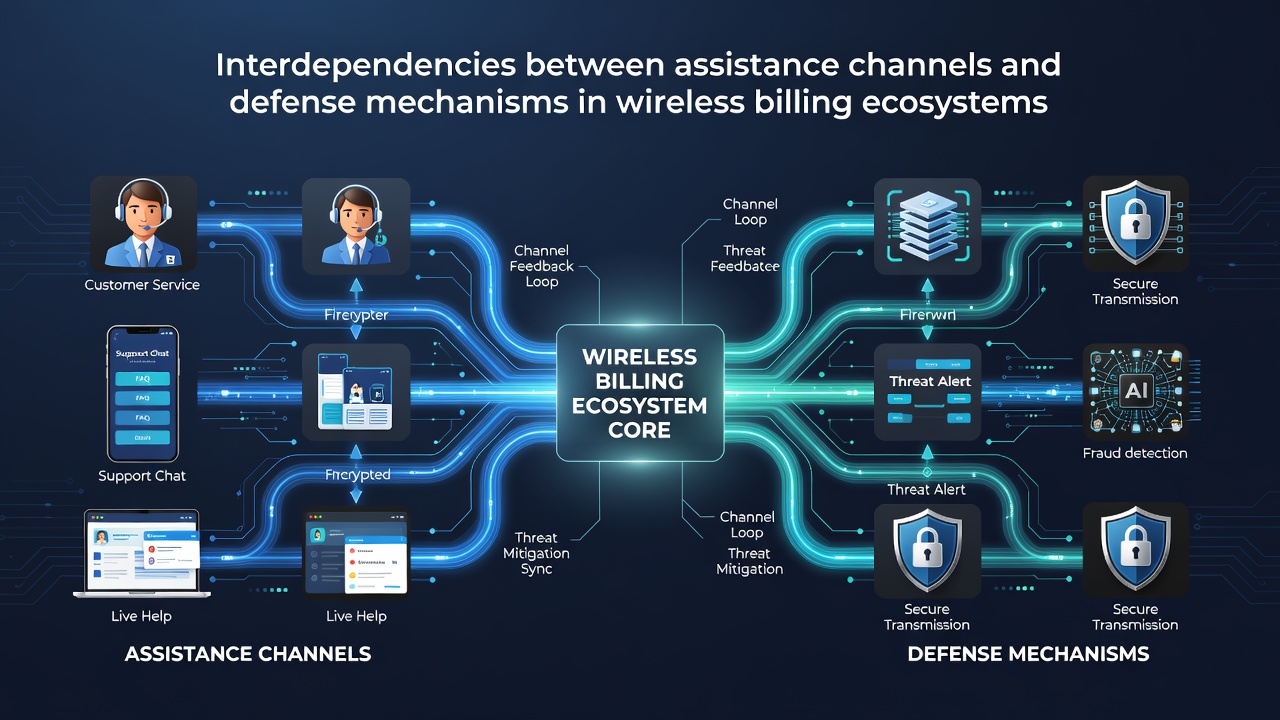
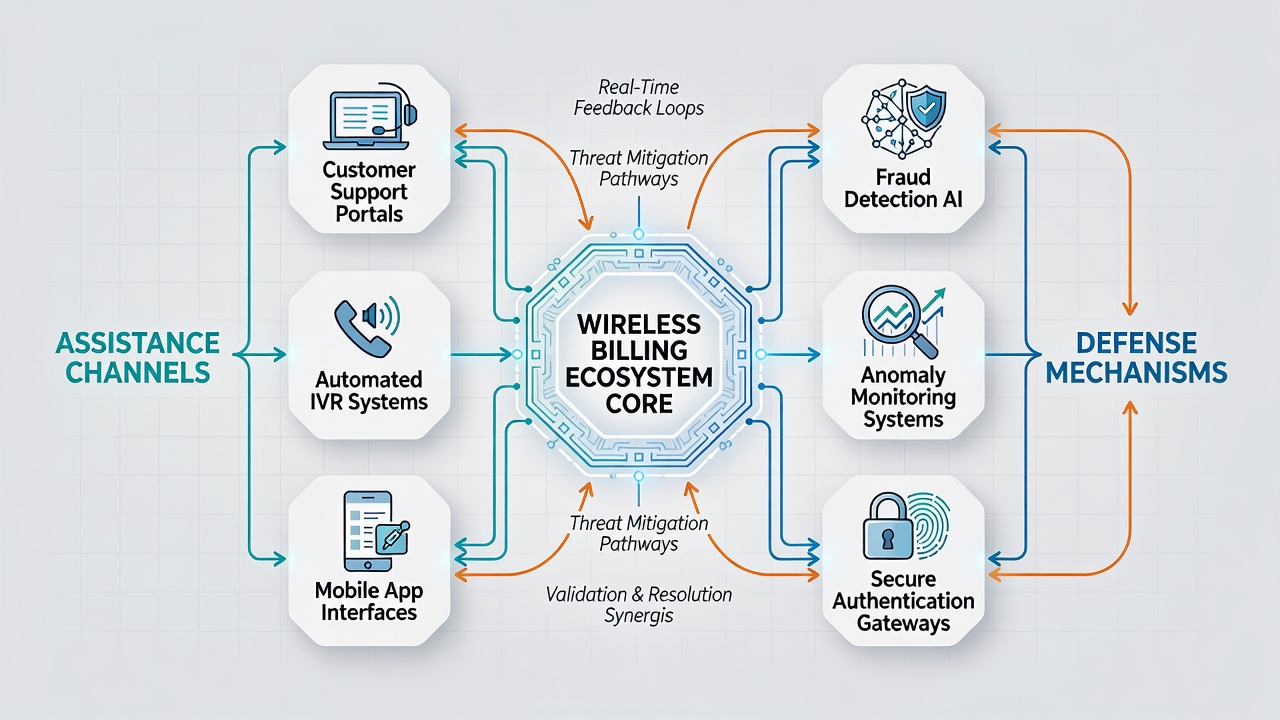
Wireless billing ecosystems encompass mobile carrier invoicing, app store subscriptions, and direct carrier billing platforms that process millions of transactions daily across global networks; assistance channels such as chat support, email ticketing, and automated IVR systems operate alongside defense mechanisms including real-time anomaly detection, velocity checks, and behavioral analytics to maintain transaction integrity. Observers note that these elements rarely function in isolation because support interactions often feed data into security models while defense alerts trigger targeted assistance workflows.
Core Components of Wireless Billing Operations
Wireless billing relies on partnerships between mobile network operators, payment processors, and content providers where billing events flow through APIs that record device identifiers, location data, and usage patterns; researchers have documented how support staff access these records during dispute resolution, which in turn updates risk profiles used by automated defense layers. Data from industry reports indicate that in regions with high mobile penetration, such as parts of Asia and Europe, over 60 percent of billing queries involve some form of verification step that intersects with fraud screening protocols.
How Assistance Channels Feed Defense Systems
Customer support tickets frequently contain details about unexpected charges, device changes, or account access issues that security teams convert into training signals for machine learning models; one study revealed that patterns extracted from support logs helped refine rulesets that flag SIM swap attempts before they complete. When a user contacts assistance about a disputed charge, the interaction generates metadata on timing, device fingerprint, and prior transaction history that defense algorithms then compare against known fraud clusters. Those who've examined these flows observe that without support channel inputs, defense mechanisms lose context on edge cases such as legitimate travel-related roaming charges that mimic suspicious activity.
Defense Mechanisms Influencing Support Workflows
Real-time blocking decisions by defense layers often route affected users directly to specialized support queues equipped with escalated verification tools; figures from payment security analyses show this routing reduces average handling time for legitimate disputes while maintaining higher scrutiny for high-risk accounts. In July 2026, updated guidelines from the European Commission on digital financial services are scheduled to require explicit logging of how defense alerts connect to support interventions, aiming to improve audit trails across member states. Support agents receive automated prompts derived from defense outputs, such as recommended verification questions or account hold durations, creating a feedback loop that strengthens both sides over repeated cycles.
What's interesting is the way geographic variations shape these interdependencies because regulatory environments in Canada emphasize consumer notification timelines that force tighter coordination between support and security teams, whereas Australian frameworks focus more on data minimization during cross-channel handoffs. Industry organizations tracking these differences report that carriers adopting unified dashboards see measurable drops in repeat fraud incidents because support notes update defense parameters without manual handoffs.
Integration Practices and Their Security Outcomes
API integrations between support platforms and fraud engines allow near-instant sharing of signals such as device location mismatches or unusual subscription patterns; according to research from the Bank of Canada on retail payment security, carriers that synchronize these systems experience fewer successful account takeovers because support agents can trigger immediate holds based on live defense scores. The reality is that poor integration creates blind spots where a support agent might reinstate access before defense algorithms complete their review, opening windows for continued abuse. Observers point to case studies where carriers that mapped every support action to corresponding defense events reduced false positive blocks by aligning escalation paths more precisely.
Emerging Patterns in July 2026 and Beyond
By July 2026, several mobile operators plan to deploy shared threat intelligence layers that pull anonymized support interaction data into collective defense models across multiple carriers; preliminary tests conducted in Nordic markets already demonstrate faster identification of cross-border subscription fraud rings. Regulatory bodies in the EU continue to refine requirements around data residency for these shared systems, ensuring that assistance records used for defense purposes remain subject to the same retention limits applied to transaction logs. Those monitoring implementation timelines note that carriers with mature API connections between channels stand better positioned to meet the new standards without disrupting existing workflows.
Conclusion
Interdependencies between assistance channels and defense mechanisms in wireless billing ecosystems continue to evolve through tighter data exchanges and regulatory alignment, with measurable effects on fraud reduction and dispute resolution speed. Research indicates that carriers investing in synchronized platforms achieve more consistent security outcomes while maintaining service levels for legitimate users. As July 2026 approaches, ongoing updates to cross-border standards will likely accelerate these connections further, shaping how support and security teams collaborate across global wireless networks.