Invisible Threads: How Helpdesk Logs Influence Fraud Detection Algorithms in Recurring Online Charges
Sofia Schmitz · Jun 28, 2026
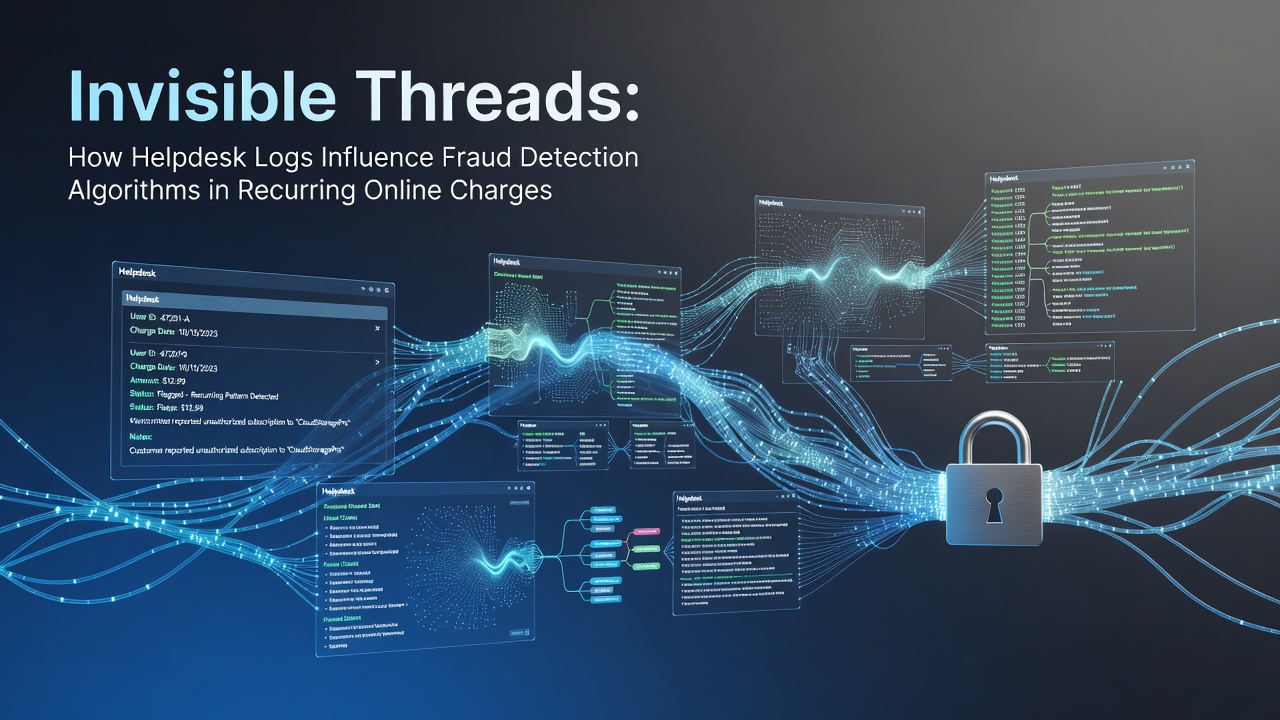
Invisible Threads: How Helpdesk Logs Influence Fraud Detection Algorithms in Recurring Online Charges
Helpdesk logs capture detailed records of customer interactions that often reveal patterns in recurring online charges, and these records integrate directly with fraud detection algorithms used by payment processors and merchants. Researchers at various institutions have documented how support tickets mentioning unexpected subscription renewals feed into machine learning models that flag potential account takeovers or unauthorized billing cycles, creating connections between everyday assistance requests and automated security responses.
Data Capture in Support Interactions
Customer service representatives document complaints about duplicate charges or unrecognized recurring fees in structured fields within ticketing systems, and these entries include timestamps, account identifiers, and descriptions of transaction details that algorithms later parse for anomalies. Observers note that when a user reports being billed after canceling a service, the log entry triggers cross-references with payment gateway data, allowing models to identify clusters of similar reports across multiple accounts during the same billing period.
Studies from academic sources show that natural language processing techniques extract keywords such as "unauthorized renewal" or "hidden fee" from these logs, which then contribute weighted signals to risk scores assigned to specific merchant categories. In June 2026 updates to several industry platforms incorporated expanded log fields for subscription-related queries, enabling finer-grained analysis that distinguishes between legitimate retention efforts and potential deceptive practices.
Algorithm Integration Mechanisms
Fraud detection systems pull helpdesk data through secure APIs that standardize formats across different support platforms, and this flow allows real-time updates to behavioral profiles used for recurring charge monitoring. Experts have observed that when logs indicate a sudden spike in contacts regarding a particular subscription service, the algorithm adjusts thresholds for approving subsequent renewals from the same IP ranges or device fingerprints.
One study revealed that incorporating support interaction frequency improved detection rates for friendly fraud cases where cardholders dispute legitimate recurring charges after the fact. Those who've examined these systems know the process relies on supervised learning trained on historical log datasets paired with confirmed fraud outcomes reported to financial institutions.
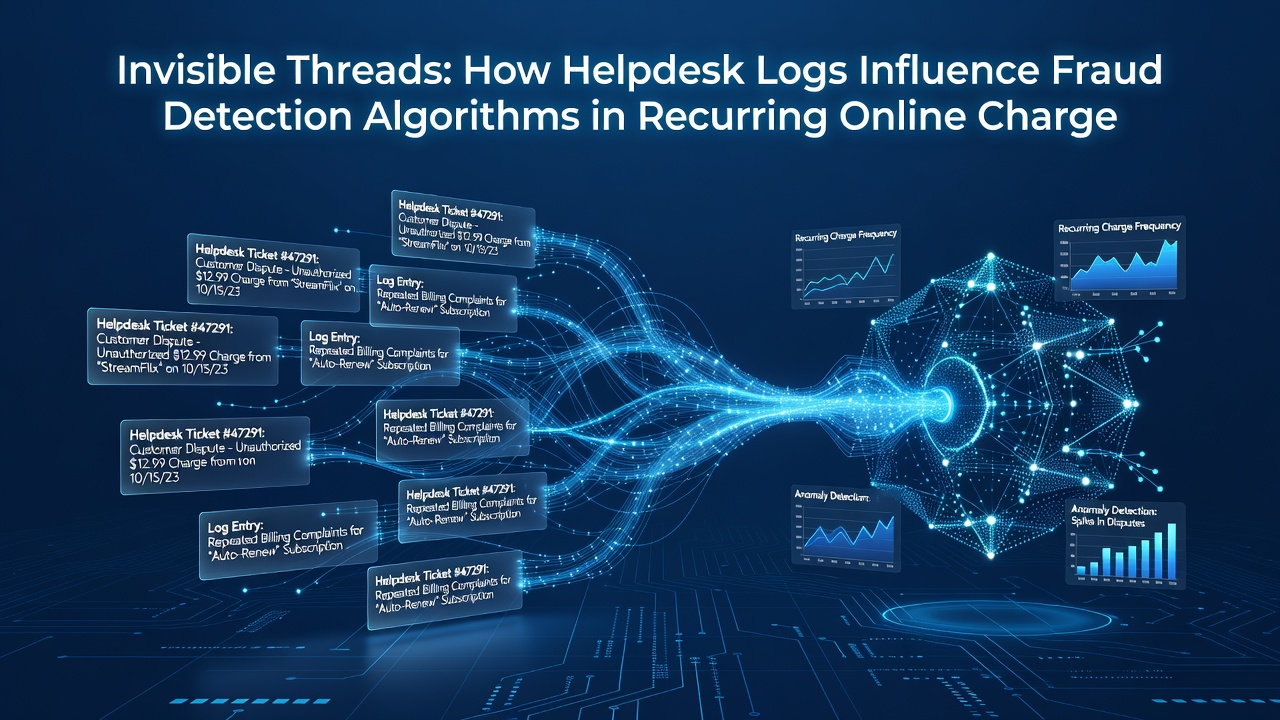
Regulatory bodies such as the US Federal Trade Commission have highlighted how aggregated support data helps identify merchants with elevated complaint volumes, prompting closer scrutiny of their recurring billing practices. This approach connects individual customer experiences to broader systemic monitoring without requiring direct transaction intervention at the point of sale.
Pattern Recognition in Recurring Billing
Algorithms analyze sequences where helpdesk logs precede chargebacks or account freezes, and they assign higher scrutiny to recurring charges that follow recent support contacts about billing disputes. Data indicates that services with frequent mentions of "auto-renewal confusion" in logs show correlations with higher rates of disputed transactions processed through international gateways.
Payment networks apply these insights during authorization requests by layering support-derived risk indicators onto existing velocity checks and geolocation verifications. The reality is that a single log entry about a canceled trial converting to a paid subscription can influence the scoring for thousands of similar accounts if the model detects matching merchant identifiers and timing patterns.
Implementation Across Merchant Ecosystems
Merchants integrate helpdesk platforms with their fraud tools through middleware that anonymizes personal details while preserving analytical value, and this setup complies with data protection requirements in multiple jurisdictions. Figures from industry reports reveal that organizations adopting these integrations reduced false positive declines on recurring payments by cross-validating support history against transaction legitimacy signals.
Canadian regulatory analyses and Australian Competition and Consumer Commission guidelines both emphasize the role of support records in distinguishing between systemic billing errors and targeted fraudulent activity. Observers note that European frameworks similarly encourage such data linkages to strengthen consumer protections around automatic renewals.
Conclusion
The connections between helpdesk documentation and fraud algorithms continue to evolve as more platforms standardize log formats for recurring charge analysis. Evidence suggests these invisible threads enhance detection capabilities by grounding automated decisions in documented customer experiences rather than transaction data alone, leading to more precise interventions in subscription billing environments.