Layered Echoes: Tracing How Billing Cycles Shape API Defenses in Mobile Credit Ecosystems
Willa Lang · Jul 19, 2026
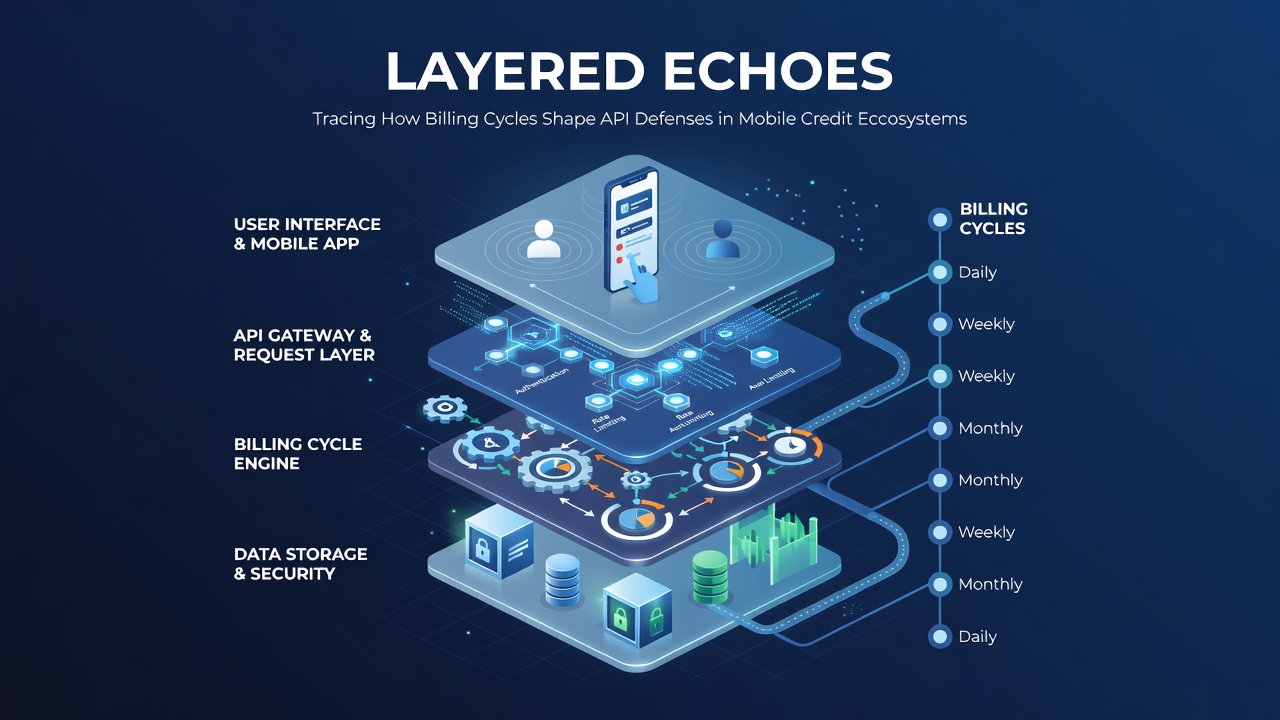
Layered Echoes: Tracing How Billing Cycles Shape API Defenses in Mobile Credit Ecosystems
Billing cycles in mobile credit ecosystems create recurring patterns that directly influence how APIs structure their defensive mechanisms, and these patterns generate echoes through transaction flows that security protocols must address repeatedly. Mobile credit processing relies on scheduled renewals and subscription intervals that determine when APIs activate verification checks, rate limiting, and anomaly detection routines. Data from transaction monitoring systems shows that defense layers often align their sensitivity thresholds with cycle peaks, which occur at monthly or quarterly intervals depending on the credit product.
Billing Cycle Mechanics in Mobile Credit Platforms
Mobile credit transactions follow structured intervals where authorization requests cluster around renewal dates, and API gateways respond by tightening authentication parameters during those windows. Researchers at academic institutions have documented how these clusters produce predictable load patterns that defensive systems exploit to allocate resources more effectively. In July 2026, updates to reporting standards from the Consumer Financial Protection Bureau highlighted the volume of recurring mobile credit authorizations processed through integrated gateways, noting correlations between cycle timing and attempted unauthorized access events.
Those who analyze payment data streams observe that shorter billing cycles generate more frequent API calls, which in turn requires defense mechanisms to maintain continuous monitoring rather than periodic sweeps. Longer cycles allow for deeper behavioral analysis between renewals, yet they also create extended windows where dormant accounts might face testing by external threats. The alignment of cycle dates across multiple services produces synchronized traffic surges that API layers must accommodate without triggering false positives in fraud filters.
API Defense Adaptations to Recurring Schedules
API architectures incorporate cycle-aware logic that adjusts token validation frequencies and encryption key rotations based on anticipated billing events. Evidence from industry reports indicates that systems which synchronize these adjustments with cycle calendars experience measurable reductions in processing delays during peak renewal periods. Observers note that mobile credit providers often embed predictive models within their APIs to forecast cycle-related risk spikes, drawing on historical transaction graphs that map authorization success rates against renewal timestamps.
Integration points between merchant billing engines and credit APIs require consistent data handoffs that preserve context across cycle boundaries. When a subscription renewal triggers an API request, defensive layers evaluate device fingerprints, location signals, and prior interaction histories in rapid succession. Studies conducted by research groups in the European Union have examined how these layered evaluations scale under high-volume renewal loads, revealing that cycle synchronization improves both throughput and detection accuracy when properly calibrated.
Interaction Patterns Between Cycles and Security Protocols
Recurring billing introduces temporal dependencies that shape the deployment of rate limiting and behavioral analytics within mobile credit APIs. Patterns emerge where defense systems lower tolerance thresholds immediately before and after scheduled renewals, because transaction velocity tends to increase during those phases. Figures released by the Bank of Canada in mid-2026 illustrated the relationship between cycle length and the frequency of adaptive authentication prompts, showing that systems tied to weekly cycles invoked additional verification steps more often than those operating on monthly schedules.
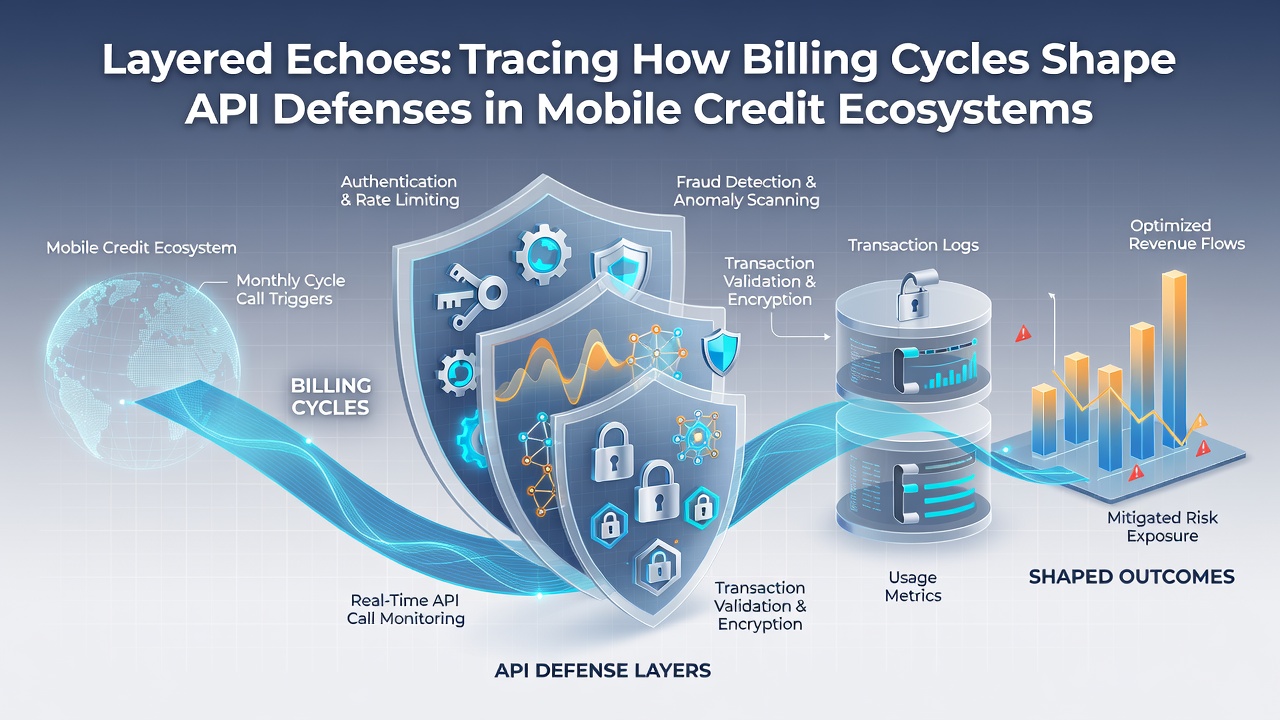
Those who maintain production environments report that cycle-driven adjustments sometimes require manual overrides when external factors such as holiday periods shift consumer behavior away from expected norms. API defense frameworks therefore incorporate override flags that preserve security posture while accommodating schedule deviations. The propagation of these adjustments across interconnected services creates layered echoes where one platform's cycle policy influences the defensive posture of downstream gateways handling the same credit instruments.
Regional Variations in Cycle-Influenced Defenses
Different regulatory environments produce distinct approaches to embedding billing cycle awareness into API security. Australian regulators have issued guidelines encouraging payment processors to document how renewal schedules factor into fraud detection rule sets, whereas frameworks in North America emphasize real-time telemetry that captures cycle-induced variance in authorization outcomes. Academic papers from institutions in Asia have compared these approaches, finding that explicit cycle integration correlates with lower rates of disputed transactions across mobile credit channels.
Cross-border mobile credit flows add complexity because cycle dates may not align between originating and processing jurisdictions. API layers handling such flows therefore maintain multiple calendar references and apply jurisdiction-specific defense parameters during each renewal window. This practice ensures that compliance requirements tied to local billing norms do not conflict with overarching security policies.
Conclusion
Billing cycles function as structural rhythms that propagate through mobile credit ecosystems and condition the design of API defense layers at every integration point. The echoes produced by these cycles appear in authorization timing, verification intensity, and resource allocation decisions that recur with each renewal interval. Organizations that map these patterns into their security architectures achieve more consistent protection across fluctuating transaction volumes. Continued observation of cycle effects remains essential as mobile credit platforms evolve their renewal structures and API protocols adapt accordingly.