Legacy Upgrades Reshape Authentication Layers in Subscription Networks
Henrik Fischer · Jul 24, 2026
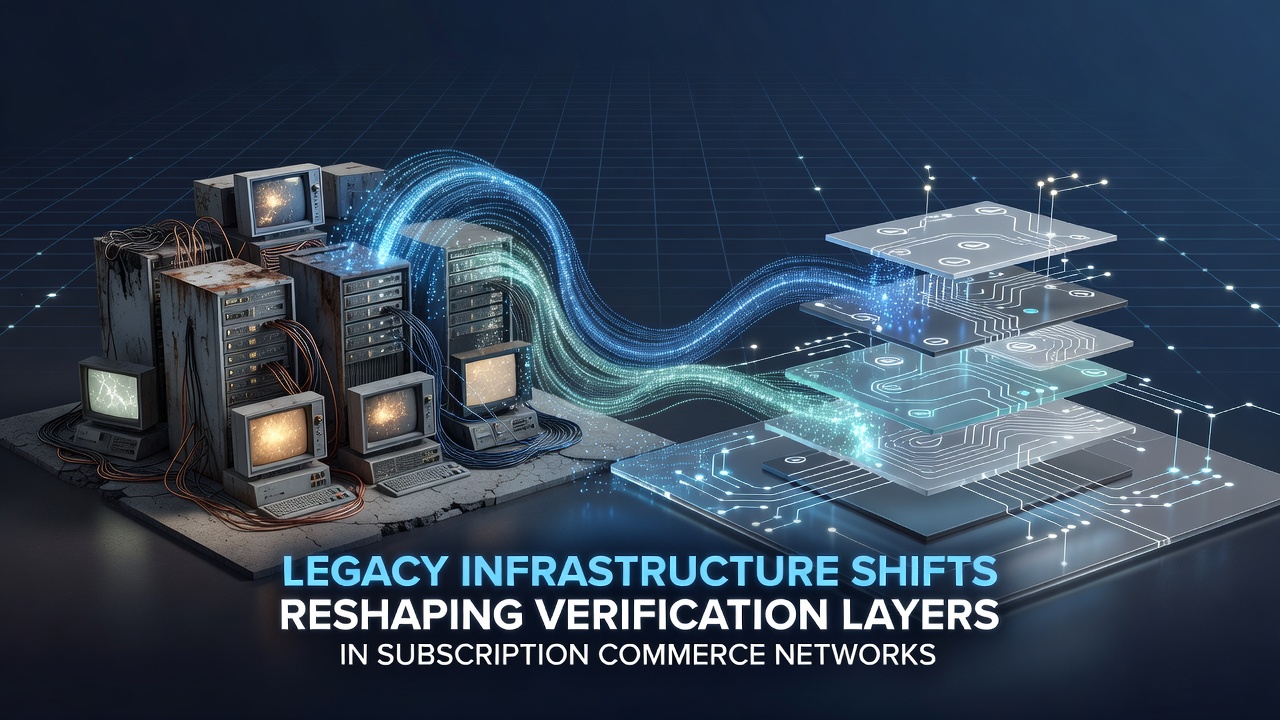
Legacy Upgrades Reshape Authentication Layers in Subscription Networks
Observers note that companies managing recurring service platforms have accelerated transitions away from older mainframe setups toward distributed cloud architectures since early 2025, and these changes directly alter how verification protocols operate at each transaction checkpoint. Research indicates that organizations handling subscription commerce networks now integrate modular verification components rather than relying on monolithic legacy check sequences, while data from industry reports shows verification times shortening by measurable margins in several sectors.
Core Infrastructure Transitions Underway
Experts at research institutions have documented the move from rigid on-premise servers to hybrid environments, and this shift forces verification layers to operate across multiple data centers simultaneously. Those who've studied subscription platforms observe that older systems once required sequential approval steps tied to single databases, whereas newer setups allow parallel validation calls that draw from updated customer profiles stored in distributed ledgers. Figures reveal that by July 2026 several large operators completed at least partial migrations, resulting in verification layers that adapt dynamically to usage patterns without manual reconfiguration.
Take one enterprise that transitioned its recurring billing infrastructure during the second quarter of 2026; analysts found the updated verification process now cross-references real-time account status with historical usage data in a single consolidated query instead of multiple discrete checks. This approach reduces latency while maintaining accuracy, according to internal metrics shared with academic partners.
Verification Layer Adaptations in Practice
Verification mechanisms evolve as infrastructure changes because legacy code often embedded fixed authentication rules that no longer align with elastic resource allocation. Researchers discovered that subscription commerce networks increasingly employ API-driven verification modules capable of scaling independently, and these modules connect to both old and new data sources during transition periods. Data shows such hybrid verification arrangements prevent service interruptions when older systems undergo phased decommissioning.
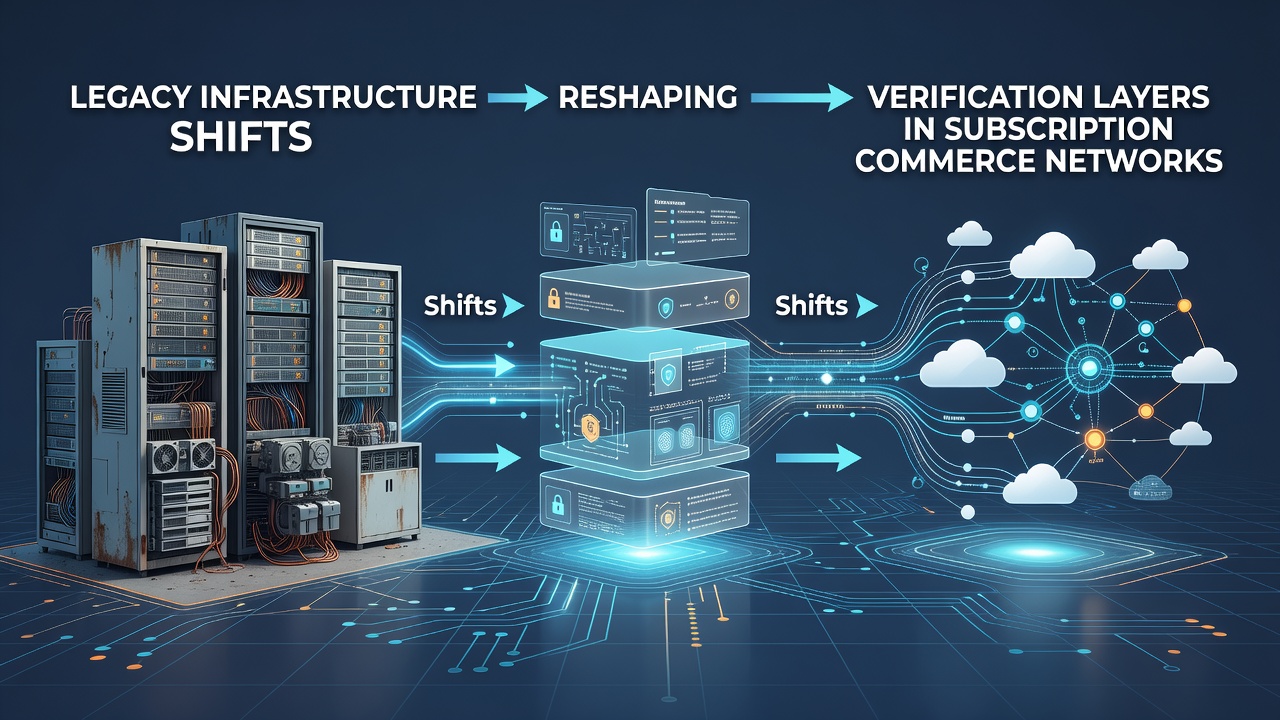
One study from a Canadian research group highlighted cases where verification layers began incorporating machine learning models trained on subscription renewal histories, and these models operate alongside traditional rule-based checks inherited from legacy environments. The combined approach allows networks to flag anomalies earlier in the validation sequence without discarding established compliance procedures. Evidence suggests that organizations completing these integrations report consistent verification success rates across peak renewal periods.
Operational Impacts Across Networks
Administrators managing subscription platforms report that infrastructure shifts require verification teams to recalibrate access controls and audit trails to match new data flows. Government sources from the European Union have outlined guidelines encouraging operators to maintain backward compatibility during verification updates, and these recommendations help ensure continuity for customers on long-term subscriptions. Industry associations in Australia note similar patterns where verification layers now support multi-region data residency requirements that older monolithic systems could not accommodate efficiently.
What's interesting is how verification protocols now interface with orchestration tools that monitor infrastructure health in real time, allowing automatic rerouting of validation requests when primary nodes experience load spikes. This capability emerged prominently after several operators completed major upgrades in 2026, and it stems directly from the modular nature of newer verification components.
Future Trajectory for Verification Systems
Academic papers published in 2026 project continued refinement of verification layers as legacy elements are fully retired, and these projections rest on observed trends in resource allocation and data synchronization practices. Observers note that subscription commerce networks benefit when verification processes gain flexibility to handle variable subscription tiers without requiring separate code paths for each legacy dependency. Regulatory bodies in the United States have issued updates emphasizing transparent logging of verification decisions, which aligns with the traceability features built into modern infrastructure stacks.
Conclusion
Legacy infrastructure shifts continue to prompt verification layer modifications across subscription commerce networks, and these modifications center on adaptability, integration with distributed resources, and compliance with evolving operational standards. Data from multiple regions confirms that organizations completing such transitions achieve streamlined validation sequences while preserving the integrity of recurring service delivery. Researchers and industry groups alike track these developments as further migrations unfold through the remainder of 2026 and beyond.