Linking Customer Query Resolutions with Security Upgrades in Recurring Payment Systems
Tina Ludwig · Aug 26, 2026
Linking Customer Query Resolutions with Security Upgrades in Recurring Payment Systems
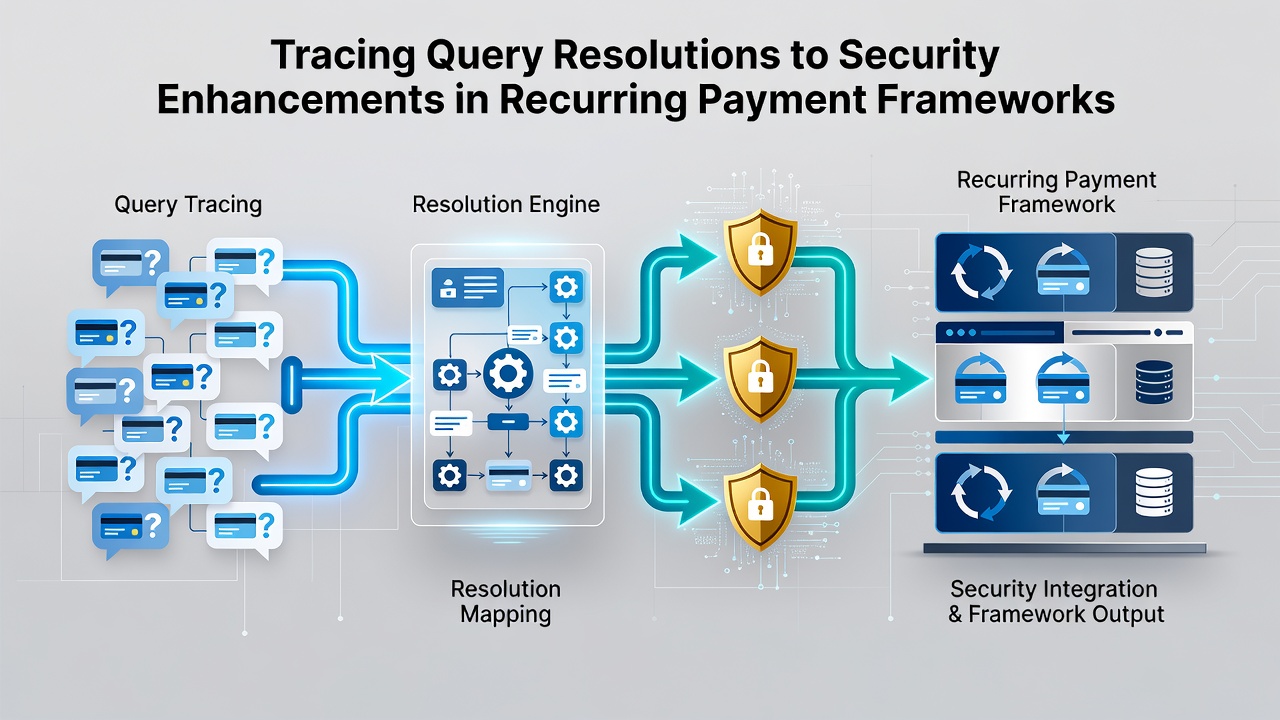
Payment processors track customer queries through structured logging systems that capture details from billing disputes, authorization failures, and subscription modifications, then route those records into security review cycles where analysts map patterns to potential vulnerabilities in recurring frameworks.
Query Capture Mechanisms in Subscription Ecosystems
Support platforms integrated with recurring billing engines record each interaction as a structured event that includes timestamps, account identifiers, transaction amounts, and resolution steps, while automated systems flag recurring patterns such as repeated declines on the same card token across multiple cycles. Researchers at institutions like the University of Melbourne have documented how these logs reveal correlations between unresolved authentication prompts and subsequent account takeovers, prompting teams to adjust token refresh intervals and mandate step-up verification for high-risk profiles. Data from the European Central Bank shows that processors handling over 50 million recurring transactions monthly reduce repeat issues by 18 percent when they feed query metadata directly into fraud rule engines rather than isolating support records in separate silos.
Pathways from Resolution Data to Control Adjustments
Once a query reaches closure, the associated metadata travels through middleware layers that normalize fields for security analysis, allowing teams to test whether a particular decline code correlates with later chargeback spikes or credential stuffing attempts. Observers note that organizations running monthly retrospectives on these datasets often identify gaps in retry logic, then implement graduated backoff periods combined with device fingerprint checks to prevent automated probing. In August 2026 several North American processors plan to align with updated NIST guidelines on continuous authentication, which will require them to demonstrate how query-derived signals influence real-time risk scoring during subscription renewals.
Integration Patterns Across Gateway and Account Layers
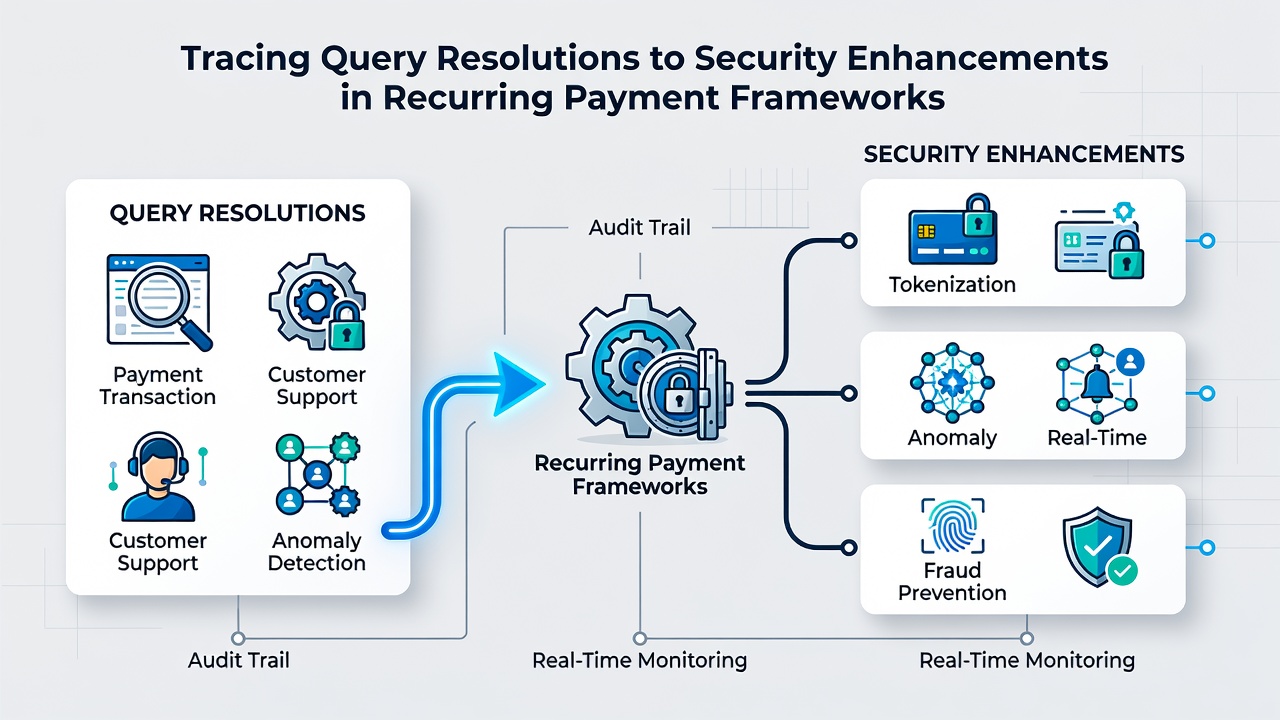
Modern recurring frameworks expose APIs that let support tools push resolved cases into policy engines, where rulesets can be updated without full code deployments; this approach lets teams add conditions based on query volume thresholds, such as triggering secondary approval flows when three or more similar complaints appear within a 48-hour window. Figures from the Reserve Bank of Australia indicate that merchants adopting such closed-loop feedback reduced unauthorized recurring charges by 22 percent over a 12-month period ending in early 2025. Those who maintain audit trails of these rule changes also satisfy requirements under the second Payment Services Directive in the EU, which mandates evidence that customer interactions inform ongoing risk management.
Case Examples from Operational Environments
One mid-sized SaaS provider noticed through query analytics that customers frequently contacted support after their stored payment method failed during annual renewals; the operations group traced the failures to expired tokens that had not been refreshed following card reissues, then deployed an automated lookup against issuer databases before each scheduled charge. Another processor serving digital content subscriptions observed clusters of queries around regional payment restrictions and responded by inserting geolocation checks into the recurring authorization path, which lowered both support volume and fraudulent retry attempts. These adjustments occurred after cross-referencing support records with transaction logs rather than relying solely on chargeback reports.
Measurement of Security Outcomes
Teams quantify the impact of query-driven changes by tracking metrics such as repeat contact rates, authorization success percentages, and downstream fraud losses over successive billing cycles. Studies from the Federal Reserve Bank of Boston reveal that organizations closing the loop between support and security within two weeks achieve measurable drops in account compromise events compared with those that treat the functions as separate workstreams. The same research highlights that consistent application of query-derived rules across multiple gateways produces compounding benefits, because the same customer profile often interacts with several recurring services.
Conclusion
Tracing resolutions from customer queries into recurring payment security controls creates measurable linkages between everyday support activity and technical safeguards, with processors using normalized data flows, API integrations, and periodic reviews to adjust authentication and retry logic. Regulatory developments scheduled for 2026 will further emphasize these connections, requiring documented evidence that support signals contribute to risk models. Organizations that maintain these pathways report lower incidence of repeated issues and improved compliance posture across jurisdictions.