Mapping Alignment Between Subscription Timelines and Security Safeguards in Transaction Clearing Systems
Tina Ludwig · Jul 1, 2026
Mapping Alignment Between Subscription Timelines and Security Safeguards in Transaction Clearing Systems
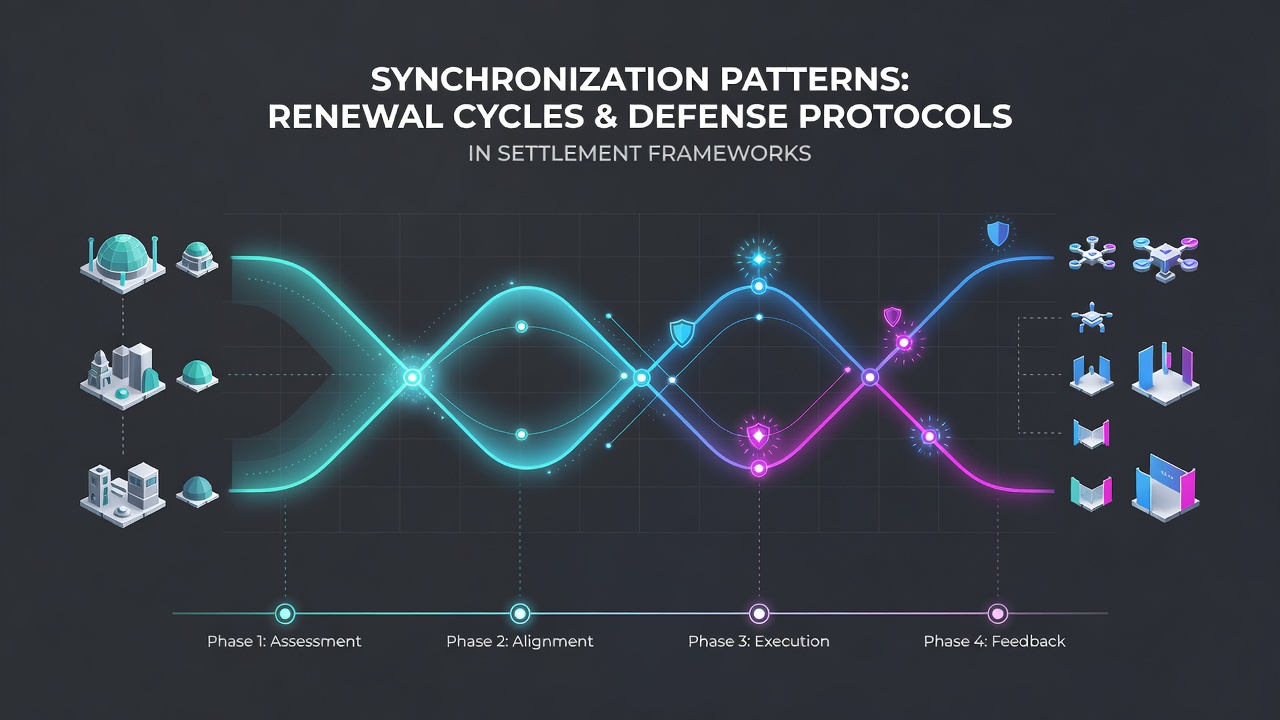
Settlement frameworks handle the final stages of financial transactions where funds move from payer accounts to recipients, and renewal cycles refer to scheduled intervals at which recurring payments such as subscriptions get processed. Defense protocols encompass authentication checks, encryption layers, and anomaly detection systems that activate during these processes. Observers note that patterns emerge when organizations align these renewal timelines with protective measures to reduce exposure during high-volume periods.
Core Elements of Renewal Cycles in Digital Settlements
Renewal cycles typically follow monthly, quarterly, or annual patterns depending on service agreements, and data from transaction logs reveal that peak activity often clusters around the first week of each month. Researchers have tracked how these schedules interact with settlement systems that batch and clear payments through networks operated by financial institutions. In practice, companies coordinate batch releases so that renewal batches undergo enhanced verification before funds transfer completes.
Integration Points with Protective Standards
Defense protocols activate at specific junctions within settlement workflows, including initial authorization requests and post-clearing reconciliation stages. Studies conducted across European payment networks show that synchronization reduces failed transaction rates by aligning renewal processing windows with real-time monitoring tools. For instance, systems flag unusual volume spikes during renewal surges and apply additional identity confirmation steps without delaying legitimate settlements.
What's interesting is how these alignments draw from historical transaction data to predict and prepare for volume fluctuations. Australian regulatory reports on digital commerce indicate that frameworks updated in early 2025 incorporated predictive models which adjust protocol intensity based on upcoming renewal dates. This approach allows settlement processors to maintain throughput while layers of scrutiny scale up or down accordingly.
Observed Synchronization Patterns Across Frameworks
Patterns surface when renewal cycles overlap with regulatory reporting deadlines or seasonal commerce spikes, prompting organizations to recalibrate defense thresholds. One analysis of North American clearing systems found that protocols shift from standard checks to multi-factor verification when renewal batches exceed average volumes by 25 percent or more. Those who've examined settlement data note that such adjustments occur automatically through rule-based engines that reference prior cycle performance.
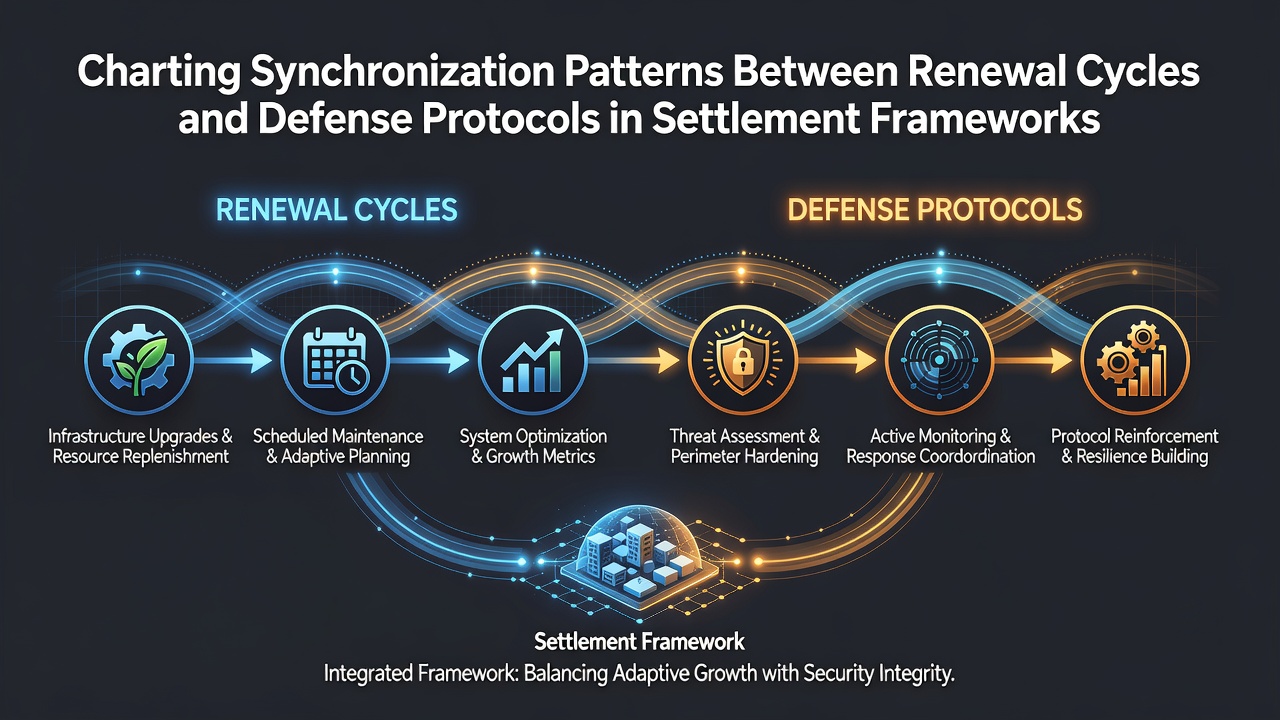
But here's the thing: timing mismatches can create brief windows where protocols lag behind renewal processing. Data compiled by Canadian financial oversight bodies in 2025 demonstrated that desynchronized cycles correlated with higher reversal rates during the subsequent reconciliation phase. Organizations therefore map renewal calendars against protocol activation schedules to close these gaps, often using shared dashboards that update in real time.
Adjustments Around Mid-2026 Developments
By July 2026 several international clearing networks implemented standardized timing protocols that require renewal batches to queue for defense review at least four hours before settlement finalization. Figures released by the European Central Bank highlight how this change streamlined cross-border recurring payments and lowered dispute volumes in the months following rollout. Systems now log synchronization metrics automatically, allowing analysts to refine thresholds based on live performance indicators.
Take one processor that integrated calendar APIs with its fraud monitoring platform; transaction records showed smoother handling of quarterly renewals once defense layers activated in advance of batch submission. Industry reports from similar implementations emphasize that these adjustments rely on accurate forecasting rather than reactive measures alone.
Practical Outcomes from Coordinated Timelines
Coordinated frameworks produce measurable effects on settlement success rates and compliance records. Research published through academic channels in Canada points to reduced administrative overhead when renewal schedules feed directly into protocol configuration tools. Processors avoid redundant checks by confirming that defense status remains current for each account before the renewal trigger fires.
Yet patterns also reveal regional variations, with Asia-Pacific networks favoring shorter synchronization windows compared to longer lead times used in transatlantic systems. Observers track these differences through aggregated industry datasets that compare clearance speeds across jurisdictions. The result appears in fewer interruptions during high-renewal periods because protocols scale in proportion to expected activity.
Conclusion
Settlement frameworks continue to evolve through deliberate alignment of renewal cycles and defense protocols, supported by data-driven adjustments and regulatory updates visible by July 2026. Organizations that map these elements together report steadier transaction flows and clearer audit trails. Continued examination of synchronization metrics across multiple regions provides ongoing guidance for refining these operational connections.