Renewal Rhythms in Digital Commerce: Exploring How Merchant Account APIs Interact with Billing Systems to Enhance Fraud Monitoring During Mobile Credit Card Processes
Willa Lang · Aug 21, 2026
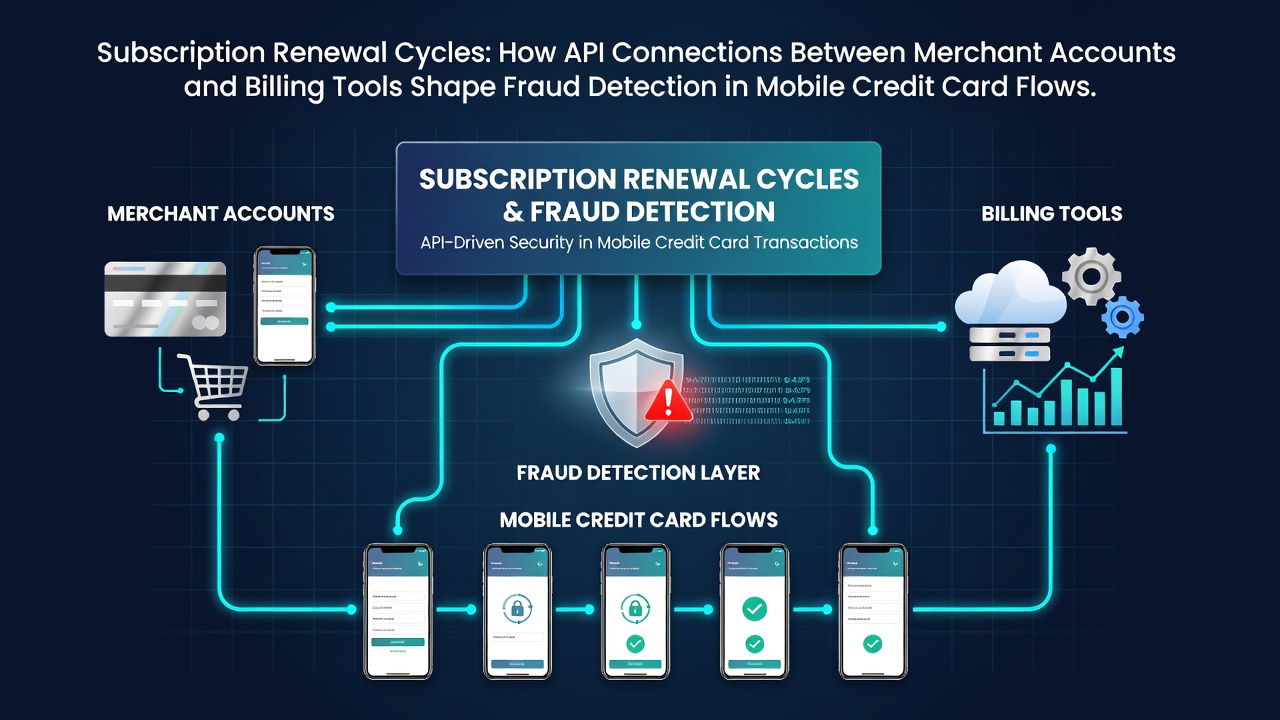
Renewal Rhythms in Digital Commerce: Exploring How Merchant Account APIs Interact with Billing Systems to Enhance Fraud Monitoring During Mobile Credit Card Processes
Subscription renewal cycles operate through precise timing mechanisms where merchant accounts connect via APIs to billing tools that process recurring mobile credit card transactions and these connections allow systems to exchange authorization data, card details, and user behavior patterns in real time so that fraud detection algorithms can flag anomalies before charges complete and payment processors update records accordingly.
API Data Flows During Renewal Events
Merchant accounts transmit renewal requests through structured API endpoints that link directly to billing platforms and these endpoints carry fields such as transaction amount, card token, device identifiers, and IP geolocation which billing tools then cross-reference against historical records while fraud detection modules analyze velocity patterns and risk scores simultaneously and this integration reduces the window for unauthorized activity because discrepancies trigger immediate holds or additional verification steps.
Studies conducted by the Federal Reserve Bank of New York show that synchronized API calls improve detection rates for repeat fraud attempts by correlating renewal frequency with known compromised card databases and observers note that systems handling high volumes of mobile subscriptions benefit most from these layered checks because they process thousands of recurring events daily without manual intervention.
Role of Billing Tools in Pattern Recognition
Billing tools aggregate renewal data across multiple merchant accounts and feed aggregated insights back through APIs so that fraud detection engines can build profiles of typical subscription behavior for each cardholder and deviations such as sudden location shifts or mismatched device fingerprints prompt alerts that halt processing until further confirmation occurs and this approach draws on machine learning models trained on large transaction sets to distinguish legitimate renewals from stolen credential usage.
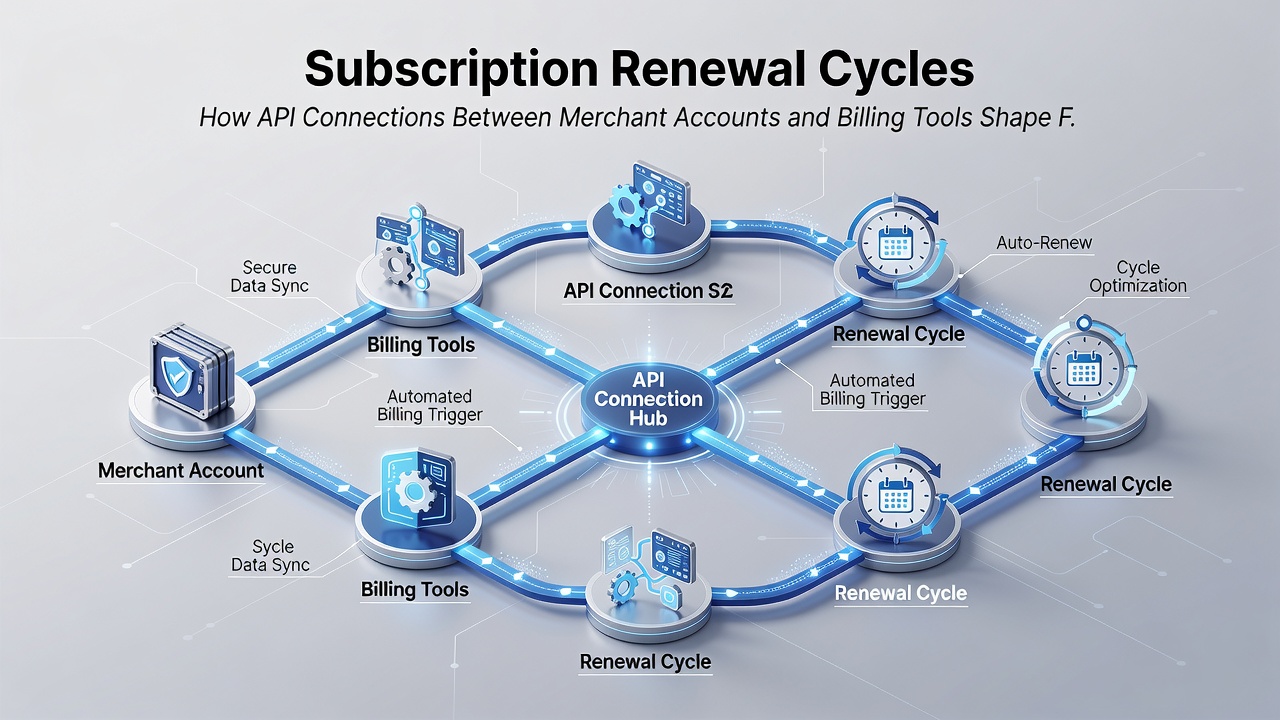
Data from the European Central Bank indicates that integrated billing platforms reduced unauthorized mobile transaction attempts by measurable margins in monitored markets during 2025 and similar patterns are expected to continue as platforms update their models in August 2026 with fresh datasets that incorporate emerging mobile payment methods and regional regulatory requirements.
Security Implications for Mobile Credit Card Flows
Mobile credit card flows rely on tokenization standards that APIs enforce at each renewal stage and when merchant accounts push renewal instructions to billing tools the tokens replace actual card numbers which limits exposure if interception occurs while still allowing fraud systems to track usage across sessions and this token-based exchange supports continuous monitoring because each API call logs contextual metadata that strengthens risk assessment models over time.
Research published by the University of Melbourne's Centre for Digital Transformation found that API latency reductions directly correlate with faster fraud signal processing in subscription environments and teams managing these connections report fewer false positives when billing tools share contextual signals such as failed prior attempts or account age with downstream detection layers.
Operational Coordination Across Systems
Coordinated updates between merchant account ledgers and billing schedules ensure that renewal attempts align with verified card status checks and API connections facilitate this alignment by pushing status changes instantly so that fraud detection can reference the most recent authorization outcomes and this real-time synchronization proves essential in mobile environments where users switch devices or networks frequently and unexpected changes raise flags that trigger secondary authentication flows.
Industry reports from the Australian Payments Network highlight how such integrations have supported compliance with evolving security standards across the Asia-Pacific region and those implementations demonstrate that shared data streams between accounts and billing platforms enable proactive blocking of patterns that match known fraud typologies before losses accumulate.
Conclusion
API connections between merchant accounts and billing tools form the backbone of renewal cycle management in mobile credit card environments and these linkages supply the continuous data exchange required for effective fraud detection across transaction sequences and as platforms prepare for updates scheduled around August 2026 the emphasis remains on maintaining accurate synchronization to support secure recurring payments while adapting to new device types and regulatory frameworks that shape digital commerce operations worldwide.