Support Data Building Stronger Shields Against Fraud in Billing Platforms
Willa Lang · Jul 26, 2026
Support Data Building Stronger Shields Against Fraud in Billing Platforms
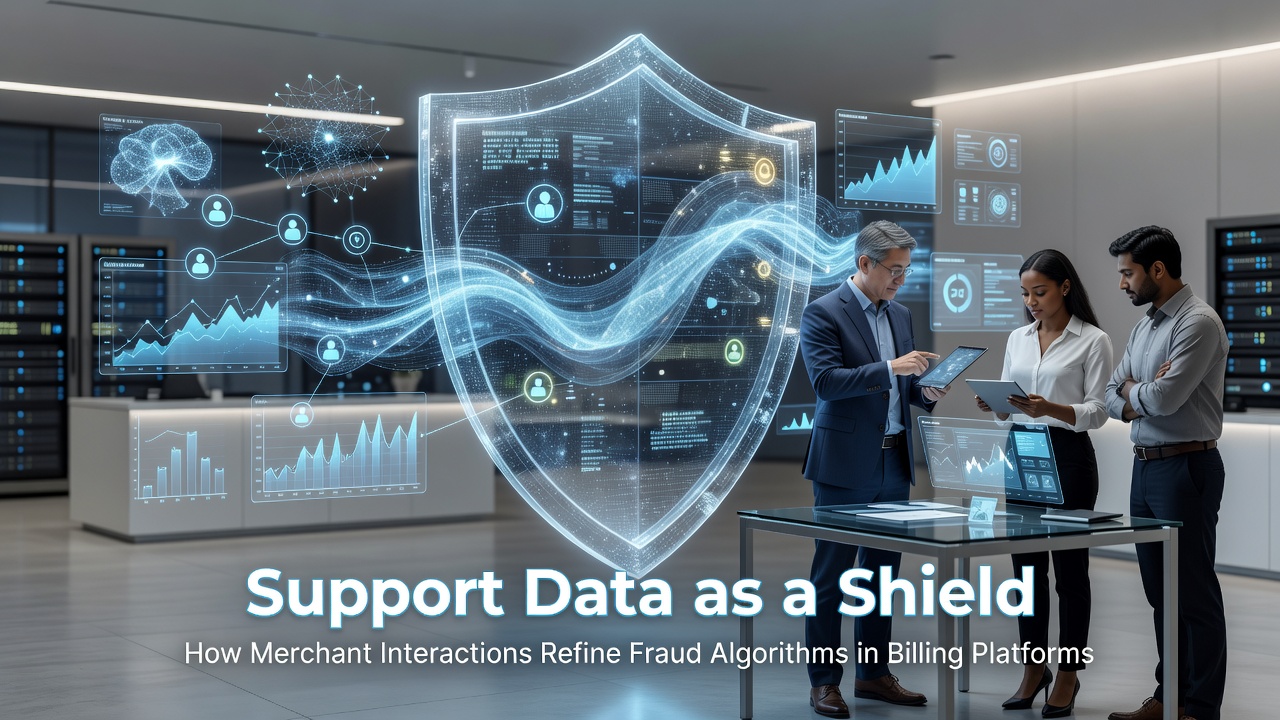
Merchant interactions with customer support teams generate streams of information that billing platforms convert into refined fraud detection models, and this process operates through structured data capture during routine queries about transactions, refunds, and account discrepancies. Observers note that each support ticket contributes details on user behavior patterns, payment anomalies, and dispute resolutions which algorithms then analyze to adjust risk thresholds across merchant accounts.
Data Collection Through Daily Merchant Exchanges
Billing platforms record every interaction where merchants flag unusual charges or request verification steps, and these records include timestamps, device identifiers, and transaction histories that feed directly into machine learning systems. Researchers have documented how support logs from July 2024 onward revealed clusters of similar dispute types that prompted updates to velocity checks and geographic validation rules in several major processors. Data indicates that merchants who maintain frequent contact with support channels provide richer datasets because their queries often highlight edge cases such as recurring billing errors or cross-border authorization failures that automated systems initially overlook.
Algorithm Refinement Mechanisms
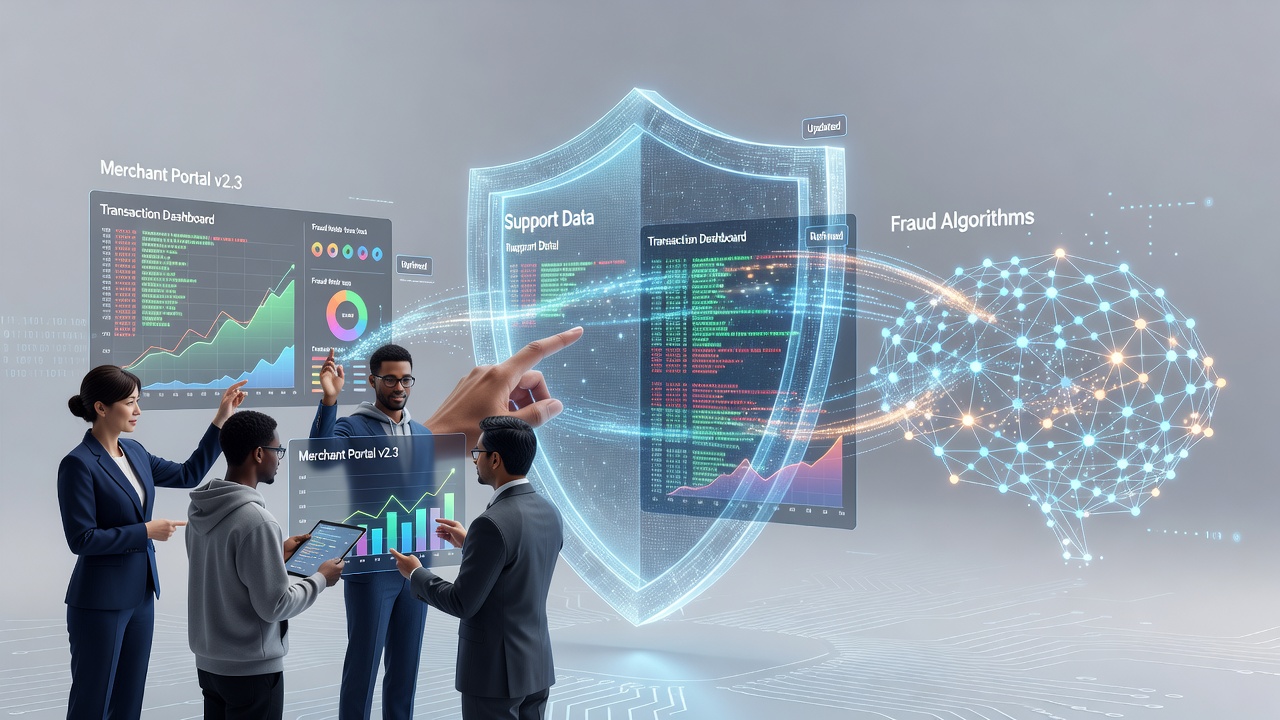
Support data enters fraud algorithms through labeled datasets where human agents categorize interactions as legitimate disputes, suspected fraud, or system glitches, and these labels train supervised models to differentiate between genuine customer issues and coordinated attack patterns. Experts have observed that feedback loops close faster when platforms integrate support notes with real-time transaction feeds, allowing the system to lower false positive rates on high-volume merchants while tightening scrutiny on accounts showing repeated chargeback spikes. One study revealed that platforms incorporating support interaction metadata saw measurable improvements in detection accuracy for account takeover attempts because the data captured subtle indicators like repeated password reset requests paired with billing address changes.
What's interesting is how these refinements scale across networks when aggregated data from thousands of merchants informs baseline models that individual platforms then customize. Figures from industry reports show that by mid-2025, several processors reported a 15 to 20 percent reduction in manual review queues after implementing support-driven updates to their scoring engines.
Integration with Existing Security Layers
Billing platforms combine support-derived signals with established controls such as device fingerprinting and behavioral analytics, and this combination creates layered defenses that adapt based on historical merchant feedback rather than static rules alone. Data shows that when support teams note patterns like merchants reporting clustered failed authorizations from specific IP ranges, the algorithms incorporate those ranges into temporary watchlists that trigger additional authentication for subsequent attempts. Those who've studied integration practices point out that successful implementations require clean data pipelines between support ticketing systems and fraud engines to avoid noise from incomplete or misclassified tickets.
According to reports from the Federal Trade Commission, consumer complaint volumes related to unauthorized electronic payments rose steadily through 2025, underscoring the value of merchant-level data in identifying emerging tactics before they affect broader user bases. Platforms that route support interactions through structured forms capture consistent fields including transaction reference numbers and reported symptoms, which in turn allow models to correlate symptoms across unrelated merchants and surface coordinated fraud campaigns earlier.
Case Examples from Platform Operations
Take one processor that noticed a spike in support tickets describing delayed refund confirmations during peak holiday periods, and after feeding those details into its algorithm the system began flagging similar delay patterns as potential indicators of merchant-side processing issues rather than fraud. There's this case where experts found that merchants in the subscription sector contributed the most granular data because their recurring billing cycles generated predictable yet complex dispute sequences that helped refine subscription-specific risk models. Observers note that smaller merchants often provide clearer signals because they lack internal fraud teams and therefore escalate issues directly, creating direct lines of information that larger enterprises sometimes filter through multiple layers first.
Research indicates that platforms using support data achieve faster adaptation to new fraud vectors compared with those relying solely on transaction logs, since support notes frequently include contextual details absent from raw payment records. A university analysis from the University of Melbourne examined how support interaction volume correlated with subsequent drops in successful fraud attempts across sampled billing systems, and the results highlighted the importance of timely data ingestion to maintain model relevance.
Conclusion
Merchant support interactions continue to serve as a primary source for updating fraud algorithms in billing platforms because they supply human-verified context that raw transaction data lacks. Platforms that maintain robust channels for capturing and categorizing these interactions position themselves to respond more precisely to evolving threat landscapes, while aggregated insights across merchant networks help establish industry-wide baselines that benefit the entire ecosystem.