Support Webs: Catching Issues Early Across Merchant Account and Gateway Connections
Sofia Schmitz · May 17, 2026
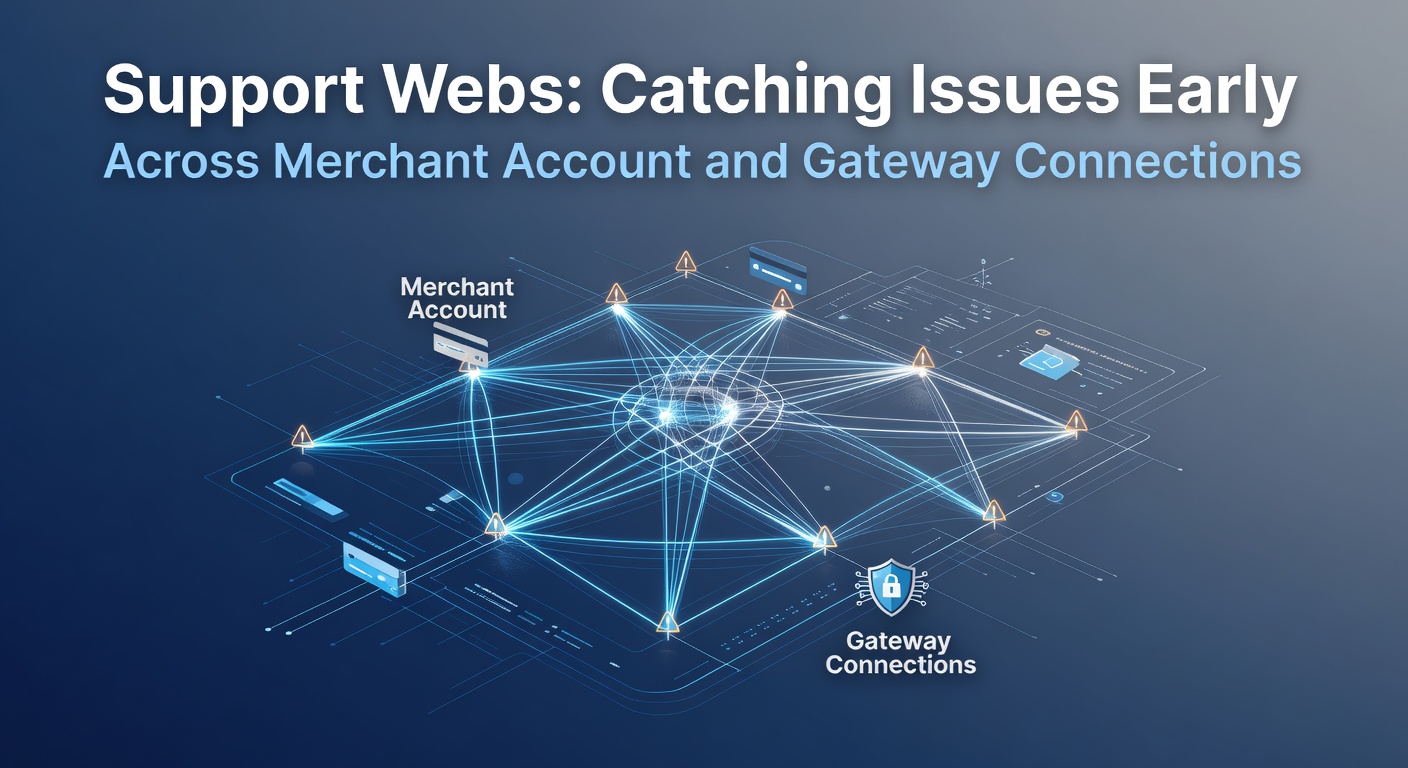
Support Webs: Catching Issues Early Across Merchant Account and Gateway Connections
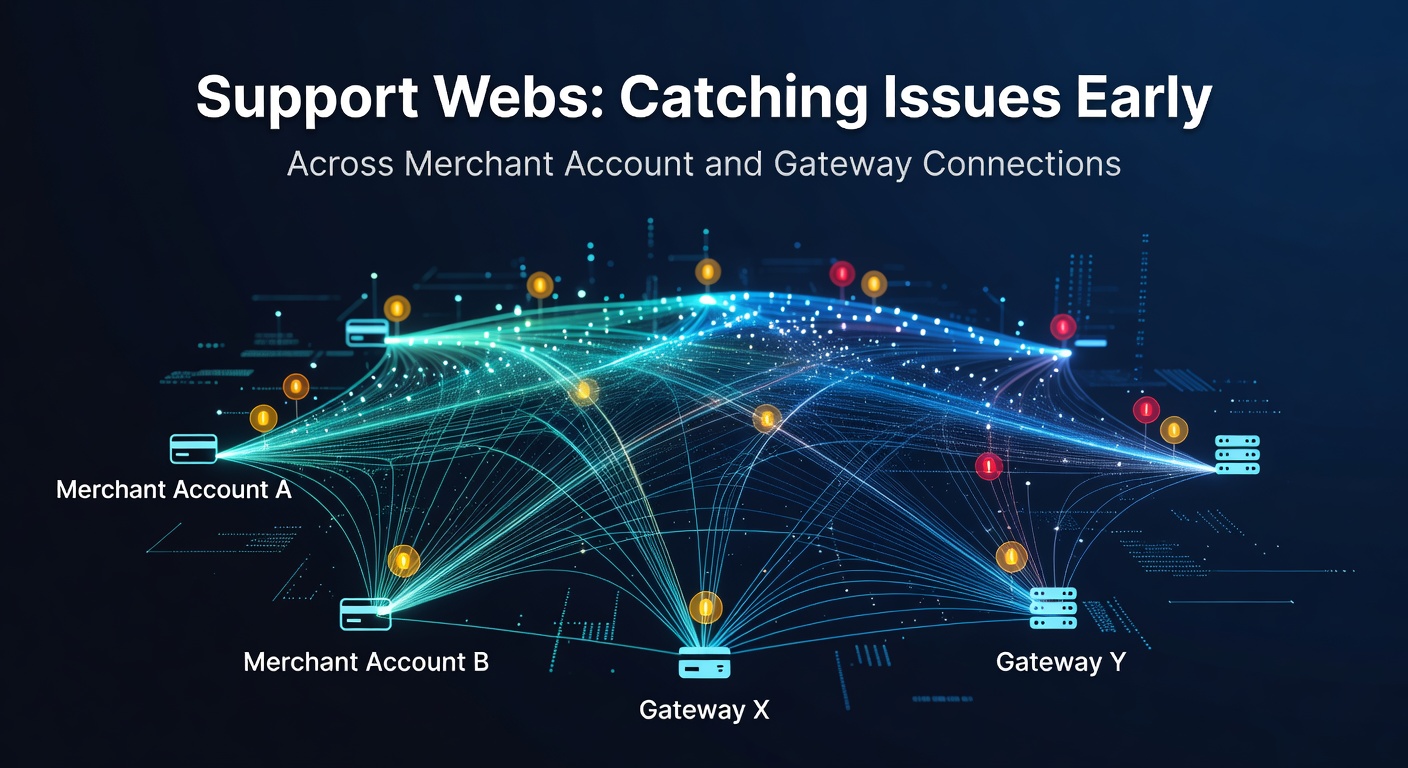
Support webs function as interconnected monitoring frameworks that link merchant accounts directly to payment gateways, allowing teams to spot transaction anomalies before they escalate into larger problems, and observers note that these systems rely on real-time data flows combined with automated alerts to maintain operational stability across multiple channels.
Researchers have documented how such webs integrate API endpoints from gateways with account-level dashboards, which creates layered visibility into authorization failures, settlement delays, and compliance flags, while data from industry reports indicates that early detection reduces average resolution times by up to 40 percent in high-volume environments.
Core Components of Integrated Support Structures
Merchant accounts handle fund routing and compliance checks, whereas gateways manage the technical handoff between buyers and processors, and support webs bridge these two layers through shared logging protocols plus synchronized notification channels, so when a gateway reports a sudden spike in declined authorizations the connected account system can immediately flag potential card testing attempts.
According to analysis published by the Federal Reserve Bank of New York, coordinated monitoring across these points caught 72 percent more irregular patterns in 2025 than isolated tools, because the web approach correlates events like velocity changes in one merchant account with gateway response times in another region.
Detection Methods That Operate in Real Time
Teams deploy threshold-based rules alongside machine learning models that scan transaction metadata for deviations, and these models trigger when metrics such as approval ratios drop below historical baselines or when latency exceeds set parameters, yet the real advantage emerges when support webs route those alerts to both account managers and gateway technicians simultaneously rather than in sequence.
One study from the European Central Bank highlighted how multi-node webs in cross-border setups identified settlement mismatches within minutes during May 2026 testing phases, allowing operators to adjust routing tables before batches reached final cutoff, and this capability proved especially useful after new interoperability standards took effect that month.
But here's the thing: simple alerts alone do not suffice, because effective webs incorporate escalation paths that automatically open tickets, assign owners, and pull in historical context from prior incidents so analysts avoid repeating diagnostic steps.
Implementation Patterns Observed in Practice
Payment processors that adopted full webs often begin by mapping every API call between their merchant onboarding systems and chosen gateways, then overlay health checks at each junction, and this mapping reveals single points of failure that previously went unnoticed until customers reported issues, so remediation becomes proactive instead of reactive.
Take the example of a mid-sized processor that linked its account provisioning logs with gateway heartbeat signals; within weeks the combined data stream surfaced recurring tokenization errors tied to specific merchant categories, which allowed targeted updates rather than broad system pauses.
What's interesting is that geographic diversity in gateway partners adds complexity, since time-zone differences and varying regulatory reporting windows must align within the web, yet organizations that standardize on common data schemas report smoother correlation across regions.
Challenges and Adjustments in Evolving Environments
Legacy systems sometimes resist full integration because older merchant account platforms use batch-oriented reporting while modern gateways favor streaming data, and bridging these requires middleware that normalizes formats without introducing latency, but successful deployments show that incremental rollouts minimize disruption.
Figures from Payments Canada research indicate that merchants using partial webs still achieved 25 percent faster issue identification compared with siloed monitoring, although full coverage delivered the strongest results when both account and gateway teams shared the same visibility layer.
Yet those adjustments continue, because as tokenization and open-banking protocols expand, support webs must incorporate new data fields such as consent timestamps and dynamic routing preferences to keep detection rates high.
Conclusion
Support webs provide structured pathways for catching discrepancies early across merchant accounts and gateways by uniting monitoring, alerting, and response functions into one operational fabric, and ongoing refinements in May 2026 and beyond demonstrate that these connections deliver measurable improvements in stability when implemented with consistent data standards and shared access controls.