Synchronized Merchant Operations Bolster Defenses Against Mobile Transaction Threats
Sofia Schmitz · Aug 19, 2026
Synchronized Merchant Operations Bolster Defenses Against Mobile Transaction Threats
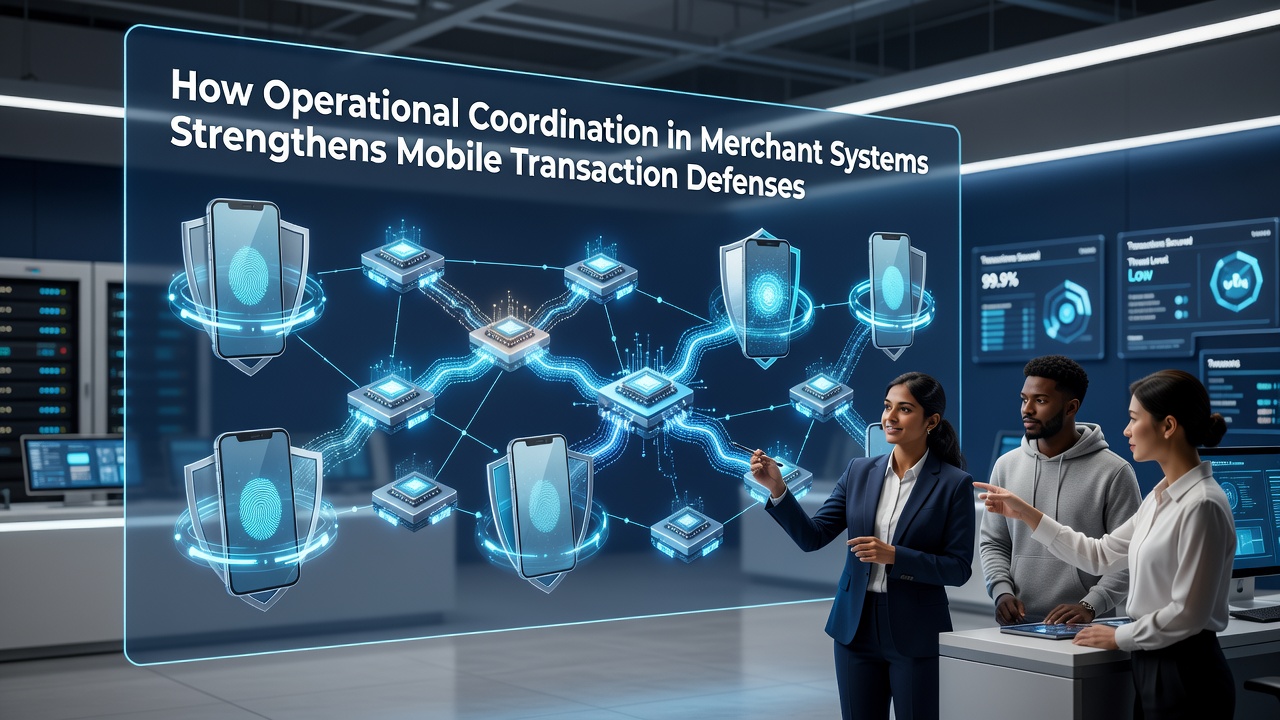
Operational coordination across merchant systems creates layered protections that address vulnerabilities in mobile transactions through shared data flows and aligned processes. Research from the Federal Reserve indicates that integrated platforms reduce unauthorized transaction attempts by aligning inventory management with real-time authorization checks, while payment processors synchronize fraud signals across multiple channels. This approach connects backend operations with front-end mobile interfaces so that discrepancies in user behavior trigger immediate reviews without disrupting legitimate activity.
Core Mechanisms Driving Coordination
Merchant platforms achieve stronger defenses when account verification protocols link directly to billing cycles and device authentication modules. According to data from the Bank for International Settlements, systems that share session tokens and risk scores across departments detect anomalies faster than siloed setups because each component feeds contextual information into a central decision engine. Observers note that coordination extends to compliance teams who receive automated alerts when transaction patterns deviate from established baselines, allowing adjustments before issues escalate.
One study revealed that organizations implementing unified dashboards for operations and security teams cut response times to suspicious mobile activity by nearly half. These dashboards pull from sources including geolocation data, device fingerprints, and historical purchase records, then apply consistent rules that update simultaneously across all connected services. What's interesting is how this synchronization prevents duplicate processing errors that fraudsters often exploit in fragmented environments.
Real-World Implementation Patterns
Take the case where a retail merchant integrated its order fulfillment system with payment gateways in early 2025. The linkage allowed inventory levels to influence authorization decisions, flagging bulk purchases that exceeded available stock as potential testing attempts. Figures from industry reports show similar setups lowered chargeback rates during peak mobile shopping periods because teams across departments operated from the same data set rather than separate spreadsheets.
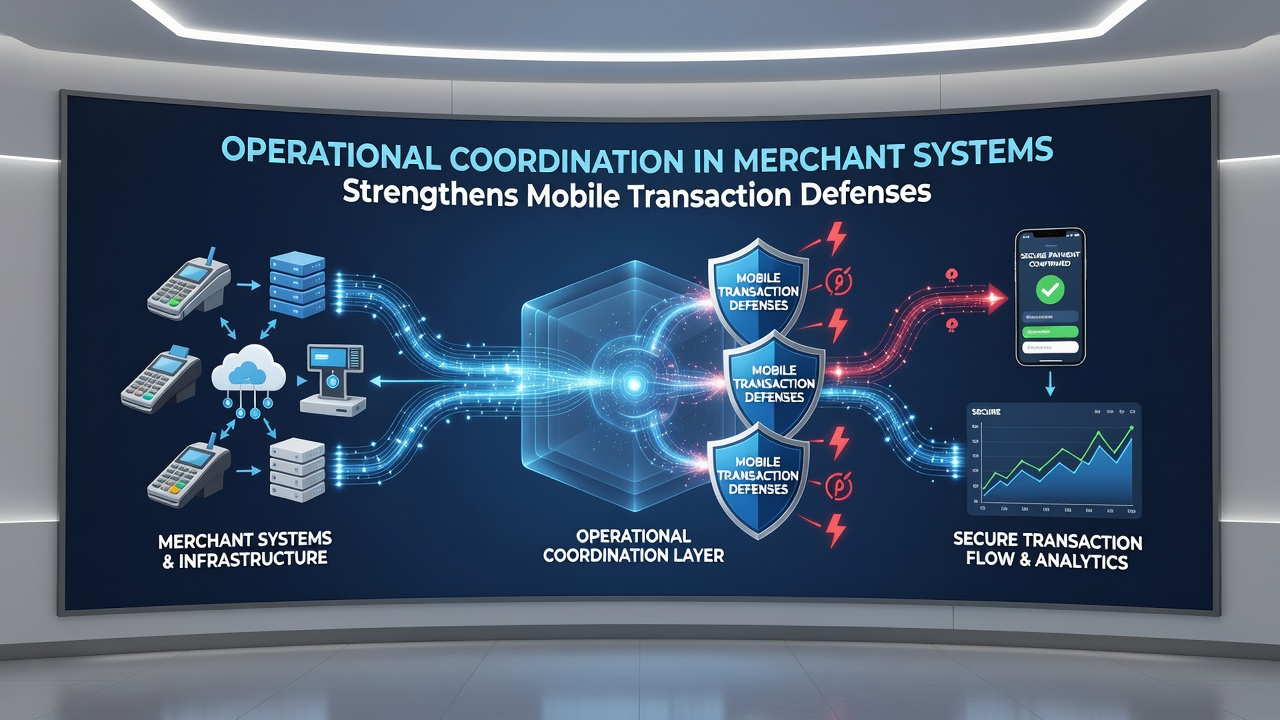
Coordination also incorporates renewal procedures and account maintenance schedules so that updates to security settings propagate without manual intervention. Researchers discovered that merchants who automated these handoffs experienced fewer gaps during high-volume periods, as the system itself handled cross-checks between customer profiles and transaction histories. In August 2026, upcoming guidelines from the European Central Bank are expected to emphasize such automated linkages as a baseline requirement for mobile payment providers operating in the region.
Data Sharing and Risk Reduction Outcomes
Evidence suggests that coordinated merchant systems improve detection rates because they combine signals from unrelated departments into unified risk models. Academic analyses from the University of Melbourne's payments research group highlight how operational teams that align their monitoring schedules with security protocols catch patterns like rapid device switching or mismatched billing addresses earlier in the transaction lifecycle. This method avoids the delays common when information travels through separate reporting chains.
Those who've studied integration practices across North American and Asian markets report consistent benefits in mobile environments where users complete purchases on varied networks and operating systems. Coordination ensures that a verification failure on one channel immediately updates risk parameters visible to others, creating a feedback loop that strengthens overall resilience without adding friction for verified customers.
Conclusion
Merchant systems that prioritize operational coordination demonstrate measurable improvements in mobile transaction security through connected processes and shared intelligence. Data indicates these approaches scale effectively as transaction volumes grow, maintaining defense integrity across expanding networks of devices and payment methods. Future developments will likely build on these foundations as regulatory expectations evolve.