Synchronizing Operational Flows to Uphold Integrity in Electronic Retail Transactions
Willa Lang · Jun 17, 2026
Synchronizing Operational Flows to Uphold Integrity in Electronic Retail Transactions
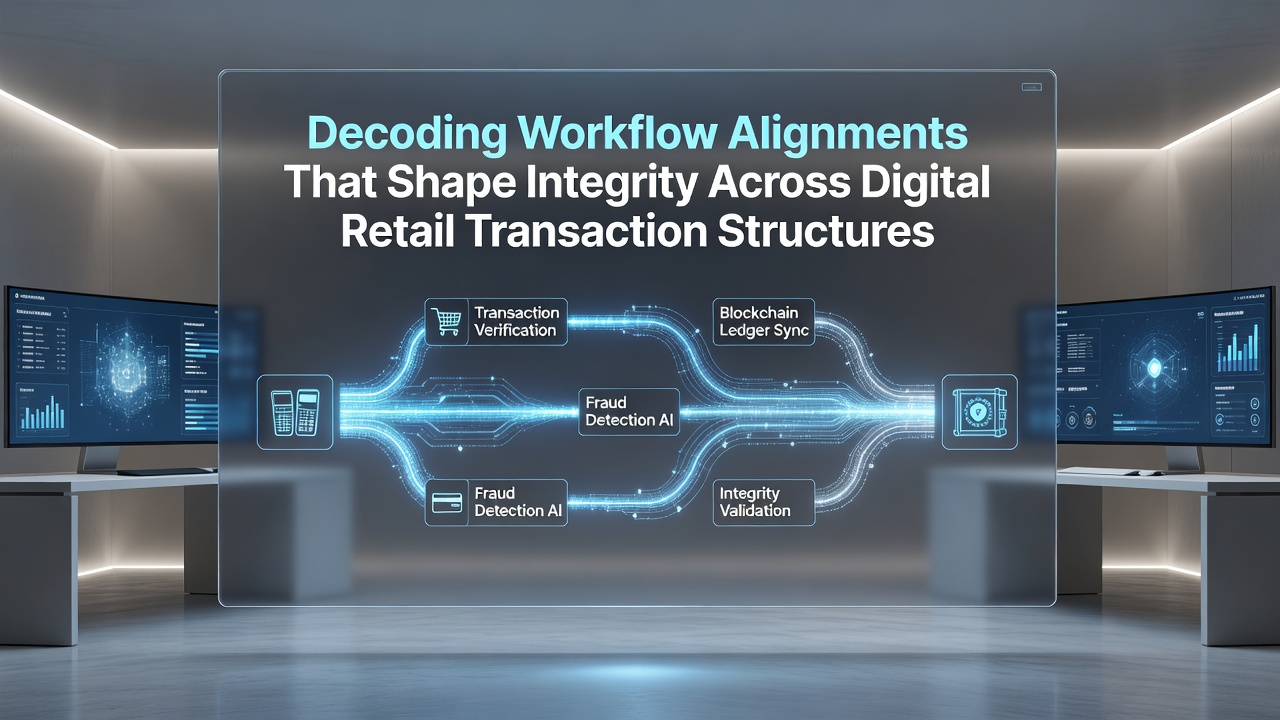
Digital retail transaction structures depend on precise alignments between multiple operational workflows to preserve data accuracy and system reliability throughout each exchange cycle, and researchers at institutions studying payment ecosystems have documented how these alignments reduce discrepancies in record-keeping while supporting compliance requirements across different jurisdictions.
Workflow alignments involve mapping the sequence of authorization requests, settlement procedures, and reconciliation steps so that information passes consistently between merchant systems, acquiring banks, and card networks without introducing gaps or duplications, and data from industry analyses show that organizations implementing such mappings experience fewer transaction reversals during peak periods.
Core Components of Workflow Alignment
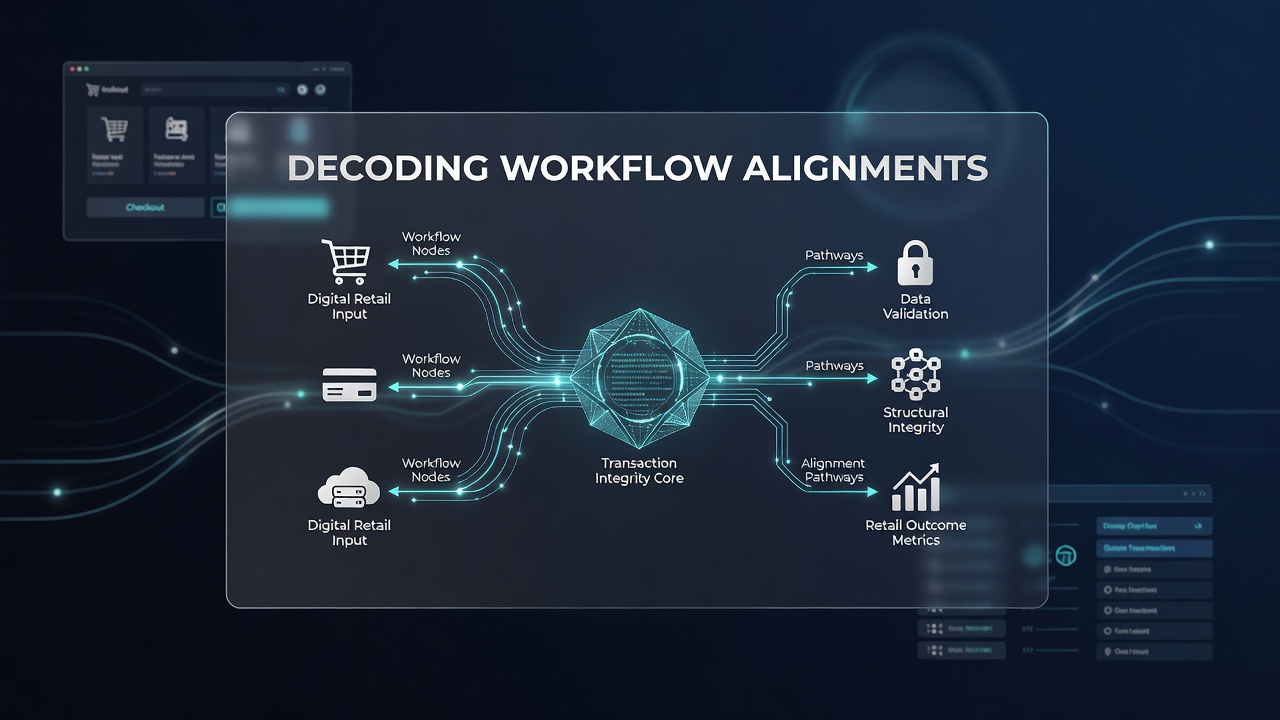
Observers note that effective alignment begins with standardized data formats at the point of sale, where inventory updates link directly to payment initiation protocols, and this connection ensures inventory levels reflect completed sales immediately rather than after batch processing delays. Payment gateways then receive transaction details through encrypted channels that match predefined schema requirements, which prevents parsing errors that could otherwise compromise downstream verification stages.
Those who study these systems find that reconciliation workflows form another critical layer because they compare authorization logs against settlement files on a scheduled basis, typically daily or in near real time for high-volume merchants, and any mismatches trigger automated alerts that route to dedicated review teams for resolution before financial reporting closes.
Integration Points Across Retail Platforms
Retail platforms integrate these workflows through application programming interfaces that enforce consistent timestamps and reference identifiers, allowing customer service records to reference the same transaction identifiers used in fraud screening modules, and this shared structure supports rapid identification of anomalies without requiring manual cross-referencing between separate databases.
Figures from regulatory bodies in multiple regions indicate that aligned systems contribute to higher rates of successful dispute resolution because supporting documentation assembles automatically from linked workflow stages rather than requiring separate retrieval from isolated repositories.
Security and Compliance Through Structured Processes
Security protocols gain strength when workflow alignments incorporate verification checkpoints at each transition, such as token validation during authorization handoff to settlement queues, and these checkpoints operate according to specifications outlined in technical standards maintained by organizations including the National Institute of Standards and Technology. NIST guidelines on secure transaction processing describe how such checkpoints limit exposure windows during which data could be altered.
Compliance teams rely on audit trails generated automatically by aligned workflows because these trails capture every modification with user identifiers and timestamps, satisfying documentation requirements set by oversight agencies in North America and the European Union alike.
Case Examples from Industry Practice
Take one large online retailer that synchronized its order management system with payment processing workflows in early 2025, resulting in documented reductions in settlement discrepancies according to internal metrics shared with industry forums, and similar patterns appear in reports covering mid-sized merchants who adopted comparable mapping techniques during the same period.
Another example involves a regional grocery chain that aligned customer loyalty program updates with transaction authorization flows, which allowed promotional discounts to apply correctly without creating separate adjustment entries that previously required manual intervention, and researchers tracking these changes observed sustained improvements in daily closeout accuracy.
Developments Expected in June 2026
Analyses scheduled for release in June 2026 by academic research groups are expected to examine longitudinal data on workflow alignment outcomes across multiple retail sectors, focusing on metrics such as transaction completion rates and error incidence following implementation of updated mapping protocols, and preliminary indications suggest continued emphasis on real-time synchronization capabilities.
These forthcoming studies will likely incorporate input from regulatory updates issued by bodies such as the Australian Securities and Investments Commission, providing comparative perspectives on how different alignment strategies perform under varying volume and regulatory conditions.
Conclusion
Workflow alignments shape the operational backbone of digital retail transaction structures by connecting authorization, settlement, reconciliation, and support functions into coherent sequences that maintain data integrity across each step, and evidence from multiple sources demonstrates measurable effects on accuracy, compliance documentation, and resolution efficiency when these alignments receive consistent attention during system design and updates.