The Ripple Effect: Tracing Customer Support Interactions Through Payment Gateways to Prevent Transaction Breaches
Willa Lang · May 29, 2026
The Ripple Effect: Tracing Customer Support Interactions Through Payment Gateways to Prevent Transaction Breaches
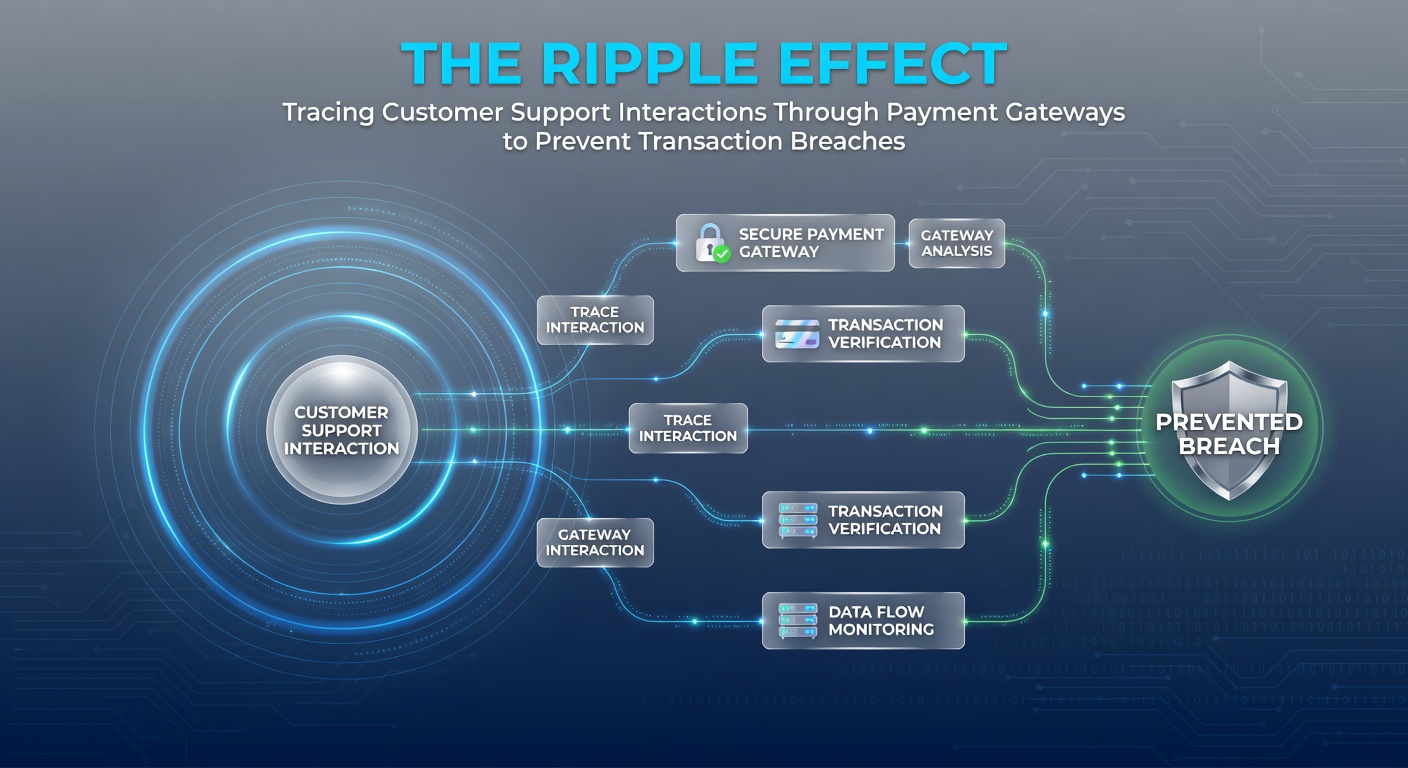
Payment gateways process millions of transactions daily while customer support teams handle inquiries that range from simple account questions to urgent reports of suspected fraud, and the connections between these two areas create pathways that organizations use to identify and stop breaches before they expand. Observers note that when support agents document details such as device identifiers, timing anomalies, or unusual account behaviors, those records feed directly into gateway monitoring systems that flag patterns linked to unauthorized access attempts.
Integration Points Between Support Records and Gateway Logs
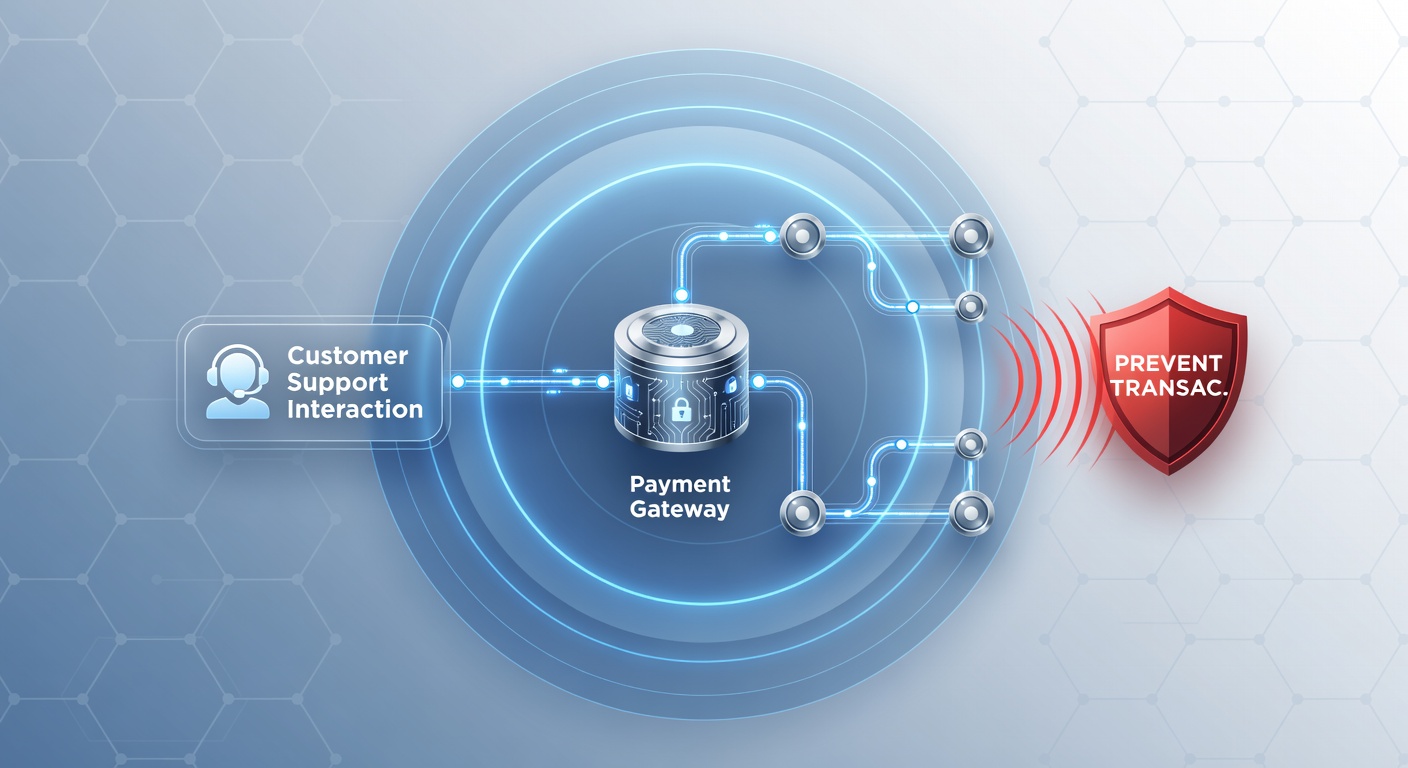
Support platforms often connect to payment gateways through shared APIs that allow real-time data exchange, so when a customer contacts support about a declined transaction the agent logs the interaction and the system cross-references it against gateway data streams that track IP addresses, card fingerprints, and velocity metrics. Research indicates that organizations which align these data sets see faster identification of coordinated attacks, because a single support ticket about multiple failed logins can trigger gateway rules that temporarily hold similar transactions from the same origin points.
According to reports from the European Union Agency for Cybersecurity, coordinated tracing reduced certain breach incidents by measurable margins in monitored networks during 2025, and similar patterns appear in North American merchant environments where support logs feed automated alerts. Those who've studied these integrations observe that the process works best when support teams receive training on which details matter most for gateway analysis, including exact timestamps and any customer mentions of unexpected emails or messages.
Case Examples from Merchant Environments
Take one large retail processor that implemented support-to-gateway tracing in early 2025, where agents began routing every fraud-related ticket through a dedicated queue that updated gateway watchlists within minutes. The system caught a series of account takeovers that originated from compromised email accounts, and the tracing allowed the gateway to block subsequent authorization requests before funds moved. Data from that deployment showed a drop in successful unauthorized transactions over the following quarters.
Another example involves a subscription service provider that linked its ticketing system to gateway velocity controls, so repeated support contacts about unrecognized charges automatically adjusted transaction limits for affected accounts. Figures reveal that this approach limited losses during a wave of credential-stuffing attempts that peaked around the same period, while unaffected merchants without such linkages reported higher exposure rates.
Technical Mechanisms That Enable Tracing
Gateways maintain detailed logs of authorization requests that include elements such as browser fingerprints and geolocation signals, and support systems append contextual notes that help analysts distinguish between legitimate customer issues and potential breach indicators. When these datasets combine through secure channels, algorithms can assign risk scores that rise when support volume correlates with specific transaction clusters. The reality is that delays in data sharing reduce the effectiveness of these scores, which is why many processors now require near-instant synchronization between the two systems.
PCI Security Standards Council guidelines emphasize the need for controlled access to combined datasets, and organizations that follow those practices report fewer instances where breach attempts spread across multiple accounts. What's significant is that the tracing process also helps during post-incident reviews, because investigators can reconstruct the sequence from the initial support contact through the gateway response and any resulting blocks.
Regulatory Context and Industry Practices in 2026
In May 2026 several North American and European regulators updated expectations around data correlation between customer-facing teams and payment infrastructure, requiring documented procedures for how support interactions inform gateway controls. These updates built on earlier frameworks from bodies such as the Federal Trade Commission in the United States and the Australian Competition and Consumer Commission, which had already highlighted the value of integrated monitoring in reducing consumer harm from transaction fraud.
Merchants that adopted these practices ahead of the updates found they could demonstrate compliance more readily during audits, since support logs provided clear evidence of proactive measures. Observers note that the changes also encouraged vendors to develop standardized reporting formats that make it easier to share relevant details across support and gateway platforms without exposing unnecessary customer information.
Conclusion
The tracing of customer support interactions through payment gateways forms a practical layer of defense that helps organizations detect and contain transaction breaches at earlier stages. When support records feed directly into gateway monitoring, patterns that might otherwise remain isolated become visible across larger datasets, allowing faster responses. Organizations that maintain these connections continue to refine the process as transaction volumes grow and attack methods evolve, relying on the same core principle that timely data exchange between these two functions limits the spread of unauthorized activity.