Tracing Interactions of Account Controls and Live Protection Systems in Mobile Wireless Transactions
Willa Lang · Jun 14, 2026
Tracing Interactions of Account Controls and Live Protection Systems in Mobile Wireless Transactions
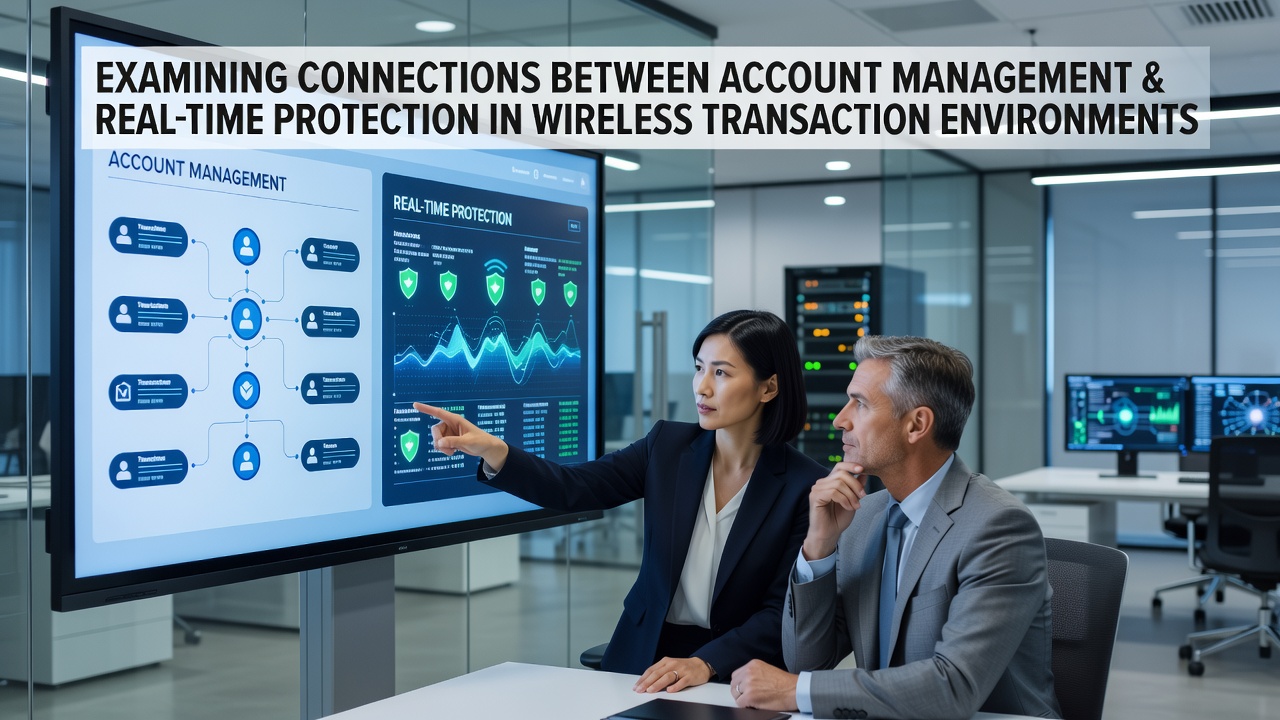
Account management systems maintain user profiles, authentication records, and transaction histories while real-time protection mechanisms monitor activity for anomalies during wireless exchanges, and observers note these elements intersect at multiple points in modern networks. Researchers discovered that effective coordination allows systems to flag suspicious logins immediately after they occur, which then triggers protective responses such as temporary holds or additional verification steps before funds transfer. Data from industry reports shows wireless transaction volumes reached significant levels by early 2026, with June marking a period when several regulatory updates took effect across regions. Those updates required tighter alignment between account databases and live monitoring tools, since disconnected processes often led to delayed responses in high-volume environments.Core Elements of Account Management in Wireless Contexts
Account management encompasses registration procedures, credential updates, and permission assignments that define how users interact with transaction platforms. Experts have observed these functions operate through centralized servers that sync with mobile devices over cellular or Wi-Fi connections, and synchronization ensures that changes made on one device reflect instantly across the network. Studies found that organizations using automated sync protocols reduced errors in user access rights by measurable margins compared to manual methods.
Wireless environments introduce variables such as signal fluctuations and device mobility that affect how account data transmits securely. According to findings from the National Institute of Standards and Technology, protocols like those outlined in their cybersecurity frameworks help maintain data integrity during handoffs between network towers. The reality is that account states must remain consistent even when users switch between 5G and older standards, because inconsistencies create openings for unauthorized access attempts.
Mechanics of Real-Time Protection Layers
Real-time protection relies on continuous analysis of transaction patterns, device signatures, and behavioral indicators to identify threats as they develop. Systems apply machine learning models trained on historical data sets to score each incoming request, and scores above certain thresholds prompt immediate actions like blocking or rerouting. Research indicates these models improve accuracy when fed fresh inputs from account management modules, since updated user details provide better context for anomaly detection.
Integration Points and Data Flows
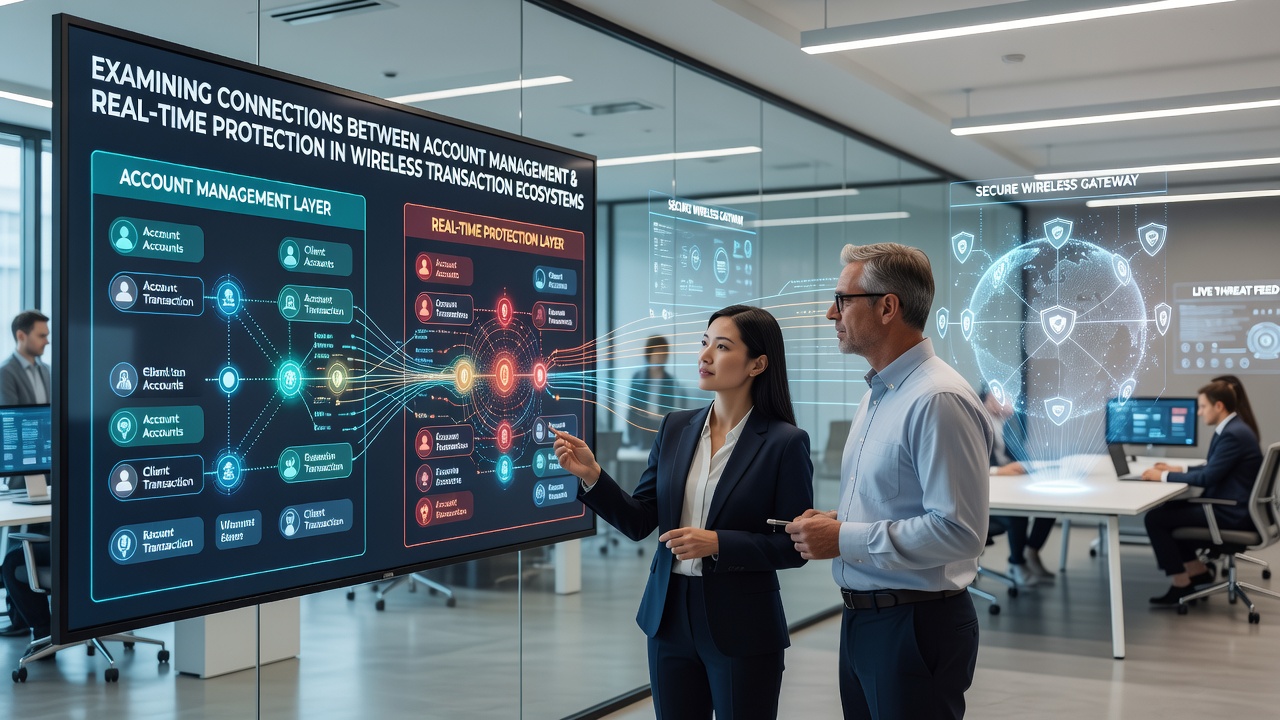
Integration occurs through APIs that allow account management platforms to share status information with protection engines in milliseconds. One study revealed that organizations adopting unified data pipelines experienced fewer false positives during peak hours, because protection tools received complete context rather than fragmented signals. But here's the thing: latency in these connections can still arise from wireless network congestion, which is why redundant pathways and edge computing nodes have become standard in many deployments.
Figures reveal that in June 2026 several European operators implemented new standards from ENISA that emphasized shared logging between account systems and protection layers. Those measures required timestamp alignment across all components, and aligned timestamps enable faster correlation of events such as a password change followed by an unusual location-based transaction request.
Case Examples From Deployed Systems
Take one telecommunications provider that linked its subscriber account database directly to a real-time fraud scoring engine. Observers note this setup allowed the system to detect SIM swap attempts within seconds of initiation, since the protection layer received immediate alerts when account recovery processes started. The provider reported that coordinated responses prevented a substantial portion of potential losses over a twelve-month period.
Another instance involves a regional bank that incorporated device fingerprinting into both account management and live monitoring workflows. Data shows this approach identified cloned applications attempting to access wireless banking sessions, and the bank adjusted its thresholds based on aggregated patterns gathered from multiple regions including Australia and Canada. Turns out such cross-referencing strengthened overall detection rates without increasing user friction during routine logins.
Challenges in Maintaining Synchronized Operations
Wireless transaction environments face ongoing issues with scalability, since account volumes grow alongside transaction speeds. Researchers discovered that legacy account systems sometimes struggle to feed data at the required velocity for protection algorithms, which leads developers to introduce caching layers and asynchronous queues. What's interesting is that these additions must preserve security properties, because any caching mechanism introduces potential exposure points if not encrypted properly.
Regulatory variations across jurisdictions add another layer of complexity. Sources from government bodies in different regions highlight differing requirements for data retention periods and breach notification timelines, and systems must accommodate all applicable rules simultaneously when operating across borders. The writing's on the wall that continued standardization efforts will determine how smoothly integrations evolve in coming years.
Conclusion
Connections between account management and real-time protection shape outcomes in wireless transaction settings by enabling faster threat responses and more accurate user verifications. Evidence suggests continued refinement of these interfaces will remain central to operational strategies as transaction volumes expand and network technologies advance. Organizations that prioritize synchronized data flows position themselves to handle emerging challenges with greater consistency across diverse wireless conditions.