Tracing the Routes of Information in Protected Mobile Billing Structures
Avery Reed · Aug 12, 2026
Tracing the Routes of Information in Protected Mobile Billing Structures
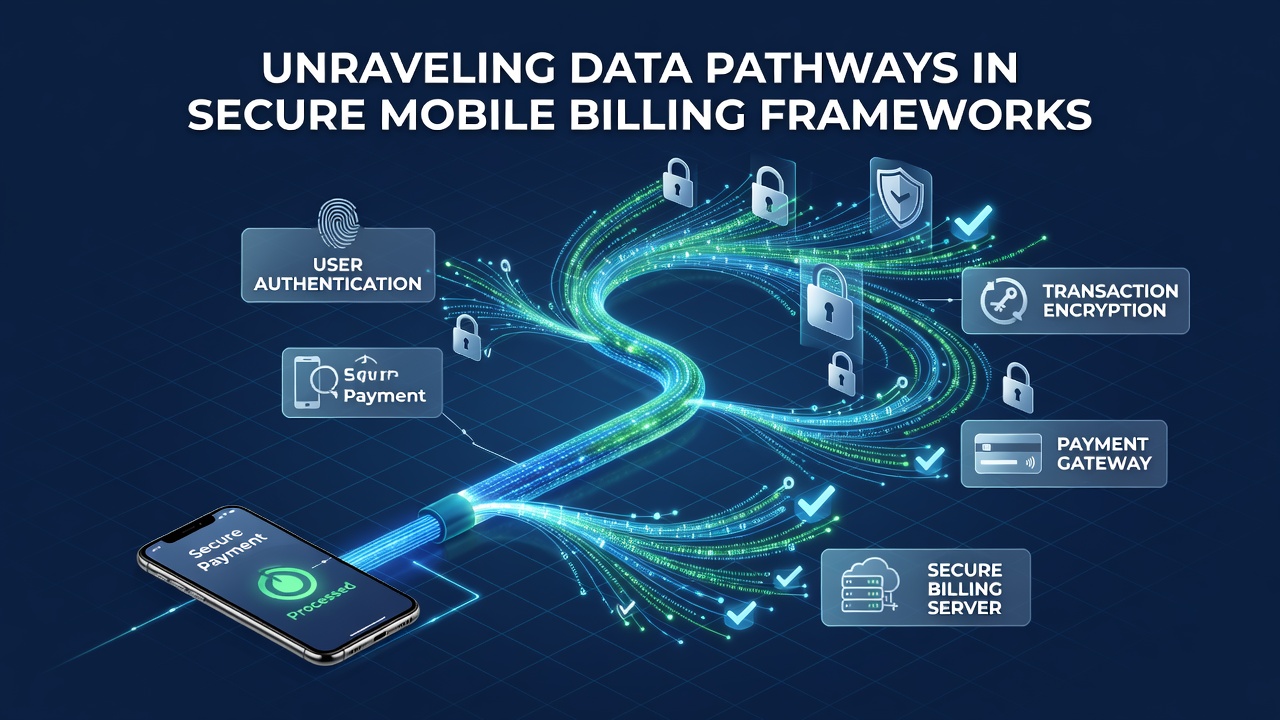
Secure mobile billing frameworks depend on clearly defined data pathways that move transaction details from user devices through multiple processing stages to final settlement, and researchers have mapped these routes extensively in recent studies while standards bodies continue to refine the protocols that govern each segment. Data originates at the mobile application layer where user inputs trigger requests that travel across wireless networks before reaching gateway servers, and this initial segment often incorporates tokenization techniques that replace sensitive card details with unique identifiers to limit exposure during transit.
Core Components of Data Movement
Observers note that mobile billing systems typically route information through device operating systems, carrier networks, merchant servers, and payment processors in sequence, and each hop adds verification steps such as authentication checks and integrity validations. Studies from academic institutions show that these layered movements reduce the risk of interception because data packets undergo encryption at multiple points along the path, and the process begins with device-level security modules that generate session keys for each transaction attempt. Figures reveal that by August 2026 several updated specifications from international bodies will require enhanced logging at every transfer point to support real-time auditing without slowing overall throughput.
Those who've examined integration points find that application programming interfaces serve as critical junctions where billing requests convert into standardized formats before advancing to backend databases, and this conversion preserves essential metadata such as timestamps and device identifiers that later assist in reconciliation procedures. Data streams then proceed to authorization services that query issuer systems, and the return path carries approval codes or decline reasons back through the same sequence of nodes until the mobile interface displays the outcome to the user.
Security Measures Embedded in Pathways
Security protocols operate continuously along these routes because frameworks incorporate both symmetric and asymmetric encryption methods that activate at different stages, and compliance requirements from regulatory agencies mandate regular testing of these mechanisms to confirm they withstand evolving threat models. Research indicates that tokenization combined with dynamic keys creates temporary pathways that expire after each session, thereby preventing reuse of captured information even if a breach occurs at one network segment. According to guidelines published by the National Institute of Standards and Technology, organizations must maintain separation between control data and financial payloads throughout the entire journey to limit lateral movement opportunities for unauthorized actors.
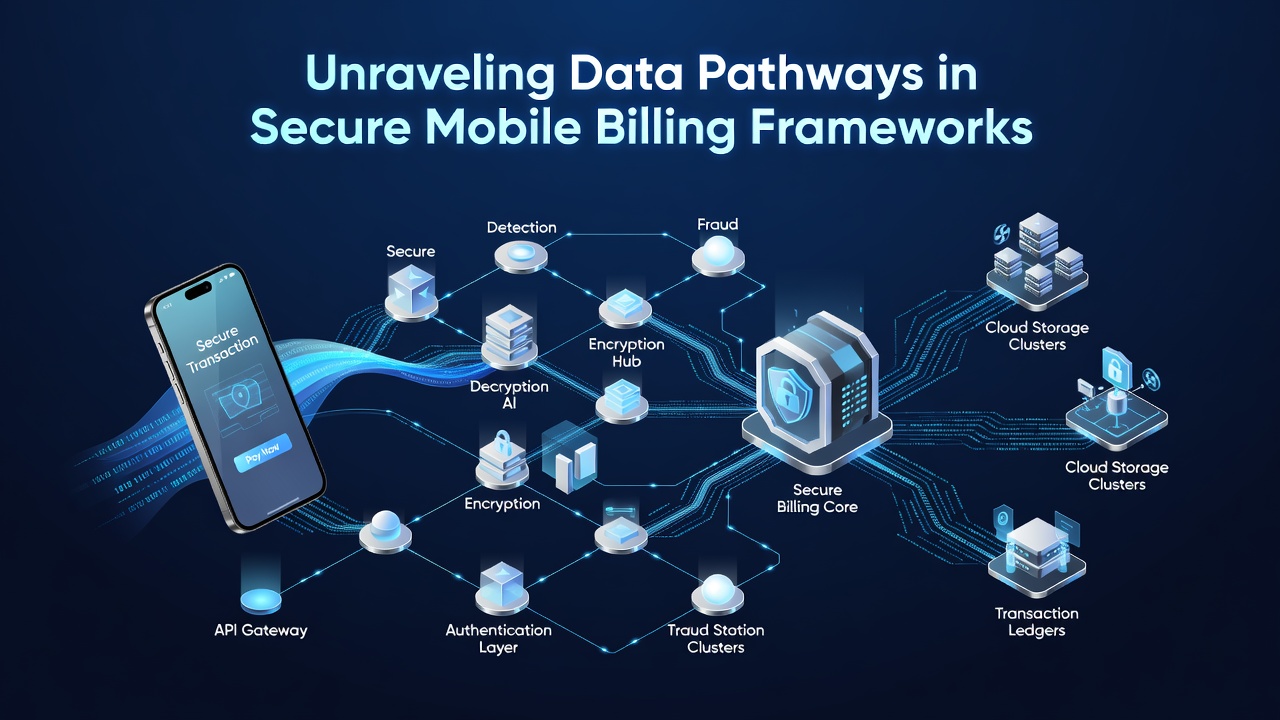
People who analyze real-world implementations often discover that monitoring tools placed at junction points detect anomalies in packet timing or size that might signal tampering attempts, and these tools feed alerts into centralized dashboards for immediate response coordination. The European Union Agency for Cybersecurity has documented cases where pathway segmentation prevented widespread impact during isolated incidents, and such findings underscore the value of maintaining distinct encryption zones rather than relying on single-layer protections across the full route.
Integration Patterns and Operational Realities
Operational teams coordinate data flows by establishing standardized schemas that allow billing platforms to exchange information with customer support databases without exposing full transaction histories, and this selective sharing supports efficient issue resolution while preserving privacy boundaries. Data pathways also connect renewal cycles to verification systems so that recurring charges pass through updated authentication checks before processing continues, and industry reports highlight how these connections reduce failed transactions over time. Observers tracking developments through 2026 note that several carriers plan to expand support for quantum-resistant algorithms along critical segments, and early pilots demonstrate compatibility with existing mobile device fleets.
Examples from large-scale deployments show that pathway mapping exercises help identify bottlenecks where latency accumulates, and adjustments such as load balancing across parallel routes improve both speed and resilience. Research institutions have published analyses indicating that frameworks incorporating redundant pathways maintain higher availability rates during peak periods, and the data collected from these operations informs future design iterations across the sector.
Conclusion
Secure mobile billing frameworks continue to evolve through detailed examination of data pathways that connect every component from device to settlement, and ongoing work by standards organizations ensures these routes incorporate the latest protective measures. Organizations that document and optimize these flows achieve measurable improvements in transaction integrity, and the scheduled updates arriving in August 2026 will further standardize logging and encryption practices across regions. Evidence from multiple sources confirms that clear mapping of information routes remains essential for maintaining trust in mobile billing ecosystems as usage volumes grow.