What Integration Choices Reveal About Safeguard Effectiveness in Handheld Commerce Billing Networks
Sofia Schmitz · Aug 7, 2026
What Integration Choices Reveal About Safeguard Effectiveness in Handheld Commerce Billing Networks
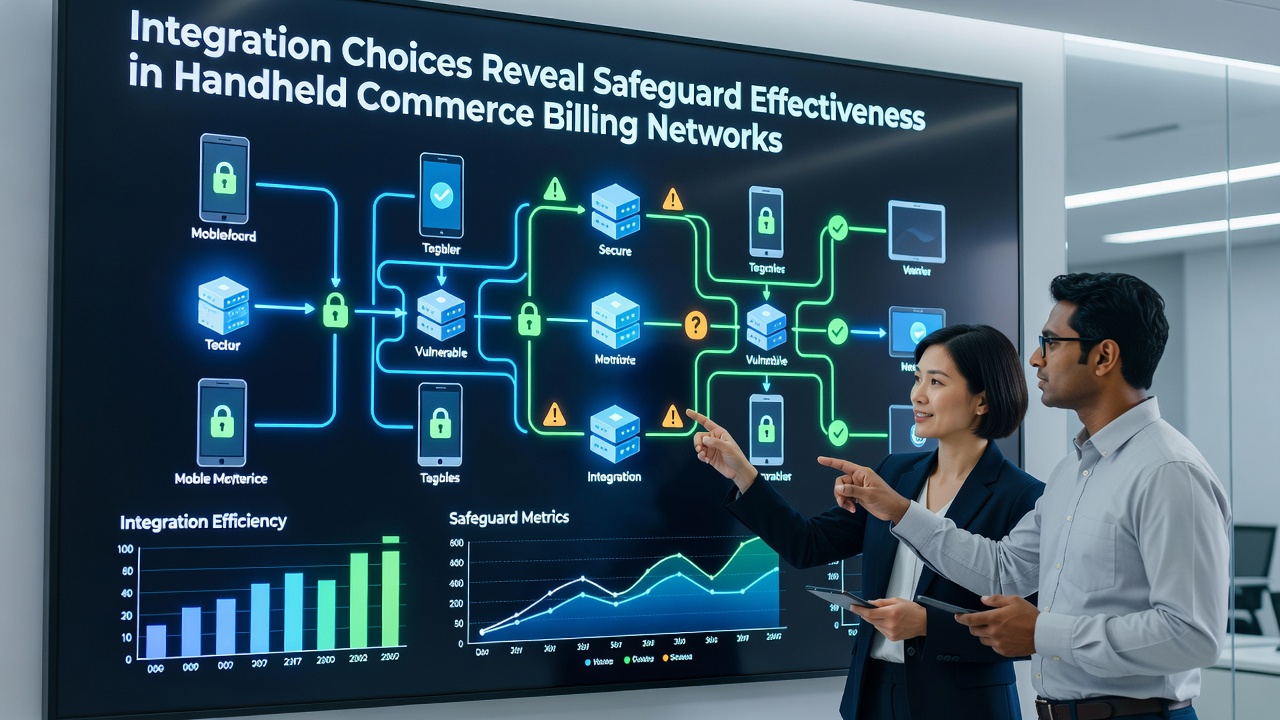
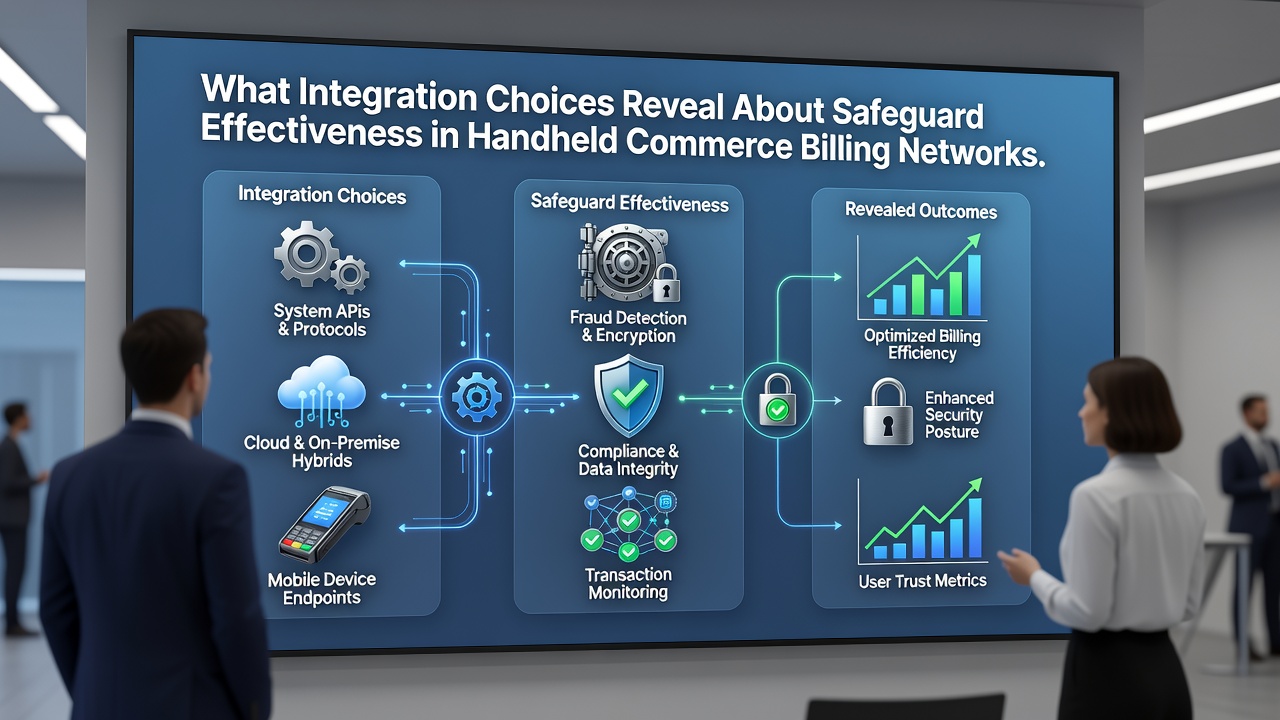
Integration decisions in handheld commerce billing networks determine how transaction data moves between mobile devices, merchant accounts, and processing gateways, and observers note that these choices directly influence the strength of built-in safeguards. Data from transaction monitoring systems shows that platforms selecting modular API connections with segmented authentication layers experience fewer unauthorized access events than those relying on monolithic setups, while researchers at institutions across North America and Europe continue to track these patterns through longitudinal studies released in mid-2026.
Patterns in Connection Architecture
Handheld commerce systems often link point-of-sale applications to backend billing platforms through standardized protocols or custom middleware, and figures from industry reports indicate that organizations adopting layered encryption at each hop maintain higher rates of transaction integrity. One analysis conducted by the Bank of Canada in 2025 revealed that networks using tokenization during initial device handshakes reduced data exposure incidents by measurable margins compared to legacy direct database links. Those who've examined integration logs across multiple regions find that choices favoring asynchronous message queuing allow real-time validation checks to occur without delaying merchant workflows.
But here's the thing: platforms that integrate customer support ticketing systems alongside payment flows tend to surface anomalies earlier because support data streams feed directly into fraud scoring engines. Evidence from transaction audits demonstrates this correlation holds across both small retail operations and larger wireless billing environments.
Security Protocol Alignment with Integration Points
Researchers discovered that alignment between chosen integration methods and existing verification protocols affects how quickly systems detect anomalies such as mismatched device signatures or unusual billing cycles. In August 2026, updates to European Central Bank guidelines on digital transaction security emphasized the need for consistent session management across all connected components, and compliance data shows merchants who adjusted their API endpoints accordingly reported improved safeguard performance metrics. Studies found that synchronous integrations, where each step waits for confirmation before proceeding, provide clearer audit trails than batch-oriented approaches, though the latter can handle higher volumes during peak periods.
Observed Outcomes Across Merchant Ecosystems
Take one logistics firm that switched from flat-file transfers to RESTful API connections with embedded certificate pinning, and subsequent monitoring showed a drop in failed authentication attempts over a six-month window. Data indicates similar results appear when billing networks incorporate device fingerprinting at the integration layer rather than treating it as an add-on module. What's interesting is how these adjustments influence overall network resilience, as measured by uptime statistics and breach containment times reported to regulatory bodies in various jurisdictions.
Observers note that handheld commerce environments using cloud-based orchestration tools for integration often achieve faster rollout of security patches because updates propagate through centralized management consoles. Yet systems built on older socket-level connections sometimes lag in adopting new encryption standards, leaving gaps that transaction monitoring software flags during routine scans. Research indicates these differences become more pronounced as transaction volumes scale, with larger networks revealing clearer distinctions in safeguard outcomes based on initial architecture decisions.
Support System Ties and Their Role
Coordination between billing integrations and administrative support platforms allows transaction exceptions to trigger automated reviews, and evidence suggests this linkage strengthens overall defense posture without requiring separate monitoring teams. One study from an Australian research consortium highlighted cases where integrated logging reduced response times to potential issues by connecting merchant account changes directly to live payment gateways. Those who've reviewed deployment records find that choices around data sharing permissions between these systems play a measurable role in preventing escalation of minor discrepancies into larger incidents.
Conclusion
Integration choices continue to shape safeguard effectiveness across handheld commerce billing networks through their impact on data flow visibility, authentication consistency, and response coordination. Reports compiled through 2026 confirm that organizations monitoring these connections systematically gather actionable information on where protections hold and where adjustments prove necessary, while ongoing work by regulatory agencies and academic groups supplies updated benchmarks for evaluating future configurations.